

How to Prepare Your Home for an Estate Sale Company (What to Remove, What to Leave, What to Never Touch)
The company arrives Monday. You have four days. Here's exactly what to remove before they set up — and the things most families accidentally touch that cost them thousands.
The contract is signed. The company arrives Monday morning. You have four days, a pile of nervous energy, and a strong urge to "get a head start" by cleaning out the garage this weekend.
Don't.
Most families lose more money in the four days before setup than at any other point in the entire process — by helpfully throwing away, donating, or rearranging things they shouldn't touch. This guide is the opposite of that. Here is exactly what to do, exactly what to leave alone, and exactly what to never touch.
The Rule That Saves Most Families Most Money
Leave everything.
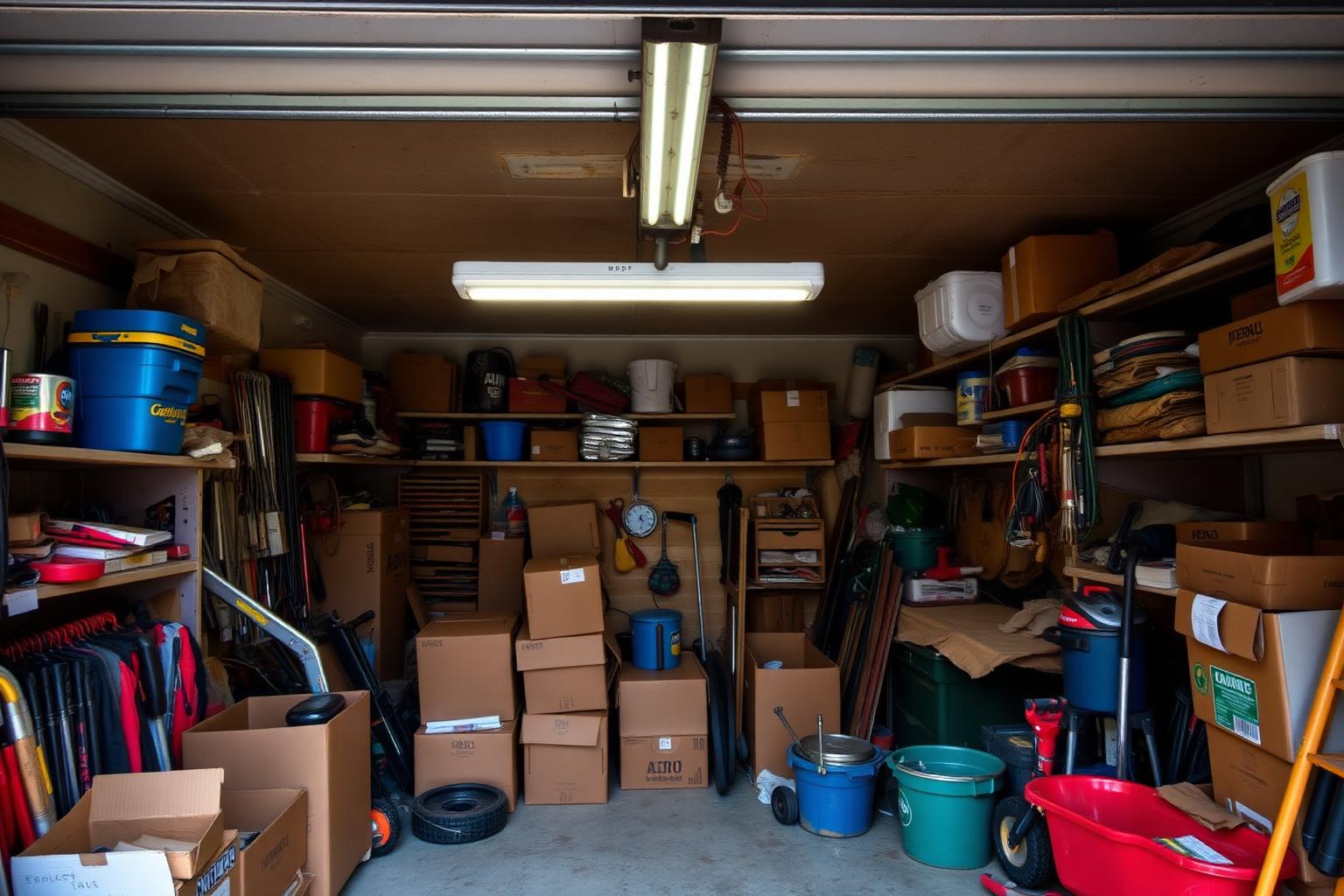
The single most expensive mistake is "helping" by clearing things out before the company walks the house. Estate sale companies price the estate as a whole. A garage that looks like junk to you contains, almost without exception, $300–$1,500 of sellable items underneath the visible junk. A drawer of "old kitchen stuff" contains the vintage Pyrex set worth $200. A box labeled "for Goodwill" by someone in 2019 contains things that are worth real money in 2026.
Until the company has walked every room and made their own assessment, dispose of nothing.
The Only Things You Should Remove Before They Arrive
A short list. These are the only things that should leave the house before setup begins:
- Personal documents. Will, deed, tax returns, Social Security cards, birth certificates, passports, financial statements, anything with account numbers. Take all of it. Lock it somewhere off-site.
- Items family members are keeping. Physically remove them. Do not leave a note saying "this stays." Notes get lost. If it's in the house during setup, it's part of the inventory.
- Prescription medications. They cannot be sold. Take them to a pharmacy take-back program.
- Sentimental items of zero sale value. The wedding photos, the handwritten letters, the irreplaceable things. Out of the house before Monday. Otherwise they end up in a 50¢ box on Sunday afternoon — and that is a story I have heard far too many times.
- Anything of unusually high value you're selling separately. A piece of original art appraised at $12,000, a coin collection a specialist is consigning, the firearms going to a licensed dealer. Remove and route separately.
- Hazardous materials. Old paint, chemicals, pesticides, gasoline. The company can't sell or dispose of these. Take them to your county's household hazardous waste program.
That's the entire list. Six categories. Nothing else.
What NOT to Touch (Even If You Think You Should)
This list is more important than the one above.
- Don't "clean out" the garage. The garage almost always contains the highest concentration of underestimated value in the house — vintage tools, old fishing tackle, mid-century lawn furniture, costume jewelry stored in coffee cans. Let the company sort it.
- Don't donate kitchen items. A complete set of vintage Pyrex Spring Blossom is worth $200–$400. A cast-iron Wagner skillet is worth $80–$150. Mismatched flatware is worth real money to vintage buyers. Donate kitchen contents and you give all of that away.
- Don't throw away clothing. Vintage clothing has a serious market. Vintage designer clothing has a very serious market. A Pendleton jacket from 1972 is not "an old coat." Let the company sort.
- Don't reorganize. Companies stage estates as they find them because the natural arrangement of a house tells them what was used together, what was a collection, and how to group things for sale. Rearranging breaks their process and slows setup.
- Don't let friends "come pick something up" before the sale. Once you say yes to one person, you've created a situation you can't control — three more friends call, then a neighbor, then a cousin. Tell everyone the same thing: come to the sale on Friday like everyone else.
- Don't hire a separate cleaner before setup. The company brings their own cleaning into the staging process. A cleaner who comes in early and "tidies" will throw away small items they assume are clutter — earrings, coins, the random shelf of vintage matchbooks worth $15 each.

The Walkthrough — What to Expect
Most companies do an initial walkthrough before signing, and a second, more detailed walkthrough before setup begins. Be present for the second one. Walk every room with them.
This is the moment to:
- Point out anything you're keeping (mark with painter's tape if helpful, but ideally already removed)
- Flag firearms, vehicles, or anything specialized
- Ask questions about what will and won't be priced
- Clarify anything in the contract that's unclear
- Identify items you want a separate appraisal on before the general sale
If you're uncertain about specific items, you can also run a free Ai photo appraisal the night before the walkthrough. It pulls real recent comparable sales and gives you a number to work with.
The Week Before the Sale — Your Checklist
A clean checklist:
- All personal documents removed and stored off-site
- All "keepers" physically removed from the house
- Prescription medications dropped at a take-back program
- Hazardous materials hauled to county disposal
- Firearms moved to licensed dealer or removed per company instructions
- Refrigerator and pantry cleared of perishables
- Trash and recycling bins emptied
- Utilities confirmed on (electricity, water — the company needs both)
- All keys provided to the company
- Your own schedule cleared during setup week (the company needs access)
- Phone calls / drop-bys from well-meaning relatives politely deflected to "after the sale"
When you're ready to start the conversation with companies in your area, find vetted estate sale professionals near you.
Keep exploring
Ready to start your own treasure hunt?
Discover estate sales near you and find incredible deals.
Explore Sales Near Me
About the author
Andy
Founder, EstateSaleFinder.net
Hi, I'm Andy — a retired commercial photographer turned developer with a five-year (and counting) obsession with estate sales. I started EstateSaleFinder.net because I knew there had to be an easier, smarter way to find and list estate sales. Now I get to chase treasure and build the tool I always wished existed.