What Estate Sale Companies Wish Every Realtor Knew
Estate sale companies have a list of realtor complaints. Here's everything agents need to know — timing, vetting, red flags, and how to protect your clients and your license.

Estate sale companies have a list of complaints about realtors. It's not a short list.
It's not personal — most of it comes down to timing, assumptions, and the simple fact that most real estate training never covers what happens to the *stuff* inside a home before it goes on the market. Estate liquidation is its own profession, with its own timeline, its own expertise, and its own way of protecting your client's financial recovery.
When a realtor and an estate sale company work in sync, clients get more money, less stress, and a market-ready home. When they don't, things go wrong in expensive ways.
This is the guide estate sale professionals wish they could hand every agent who walks through the door.

The #1 Complaint: You Told Them to Declutter First
This is the mistake that costs sellers the most money and hurts estate sale companies most often.
Realtors reasonably coach sellers to declutter before showings. Families hear that advice and rent a 40-yard dumpster. In it goes: old kitchenware, tools from the garage, boxes from the attic, stacks of old books, "junk" from the spare bedroom.
The problem? Professional estate liquidators regularly see thousand-dollar items in those dumpsters. Cast iron cookware. First-edition books. Sterling silver flatware. Depression glass. Vintage cameras. Signed prints. Pyrex patterns worth $200 a bowl. Items that look like clutter to a layperson — and look like a listing to a collector.
One estate sale professional put it plainly: "There are many items that are not only saleable but may be collectible and of high value, that the layperson would view as worthless." (Estate Sales News)
The rule is simple: no item leaves that house until an estate sale company has walked through it. Not one drawer emptied. Not one trip to Goodwill. A walkthrough costs nothing and can recover thousands.
Mistake #2: Calling After the House Is Already Pending
This is the timing issue that creates the most chaos — and it's entirely preventable.
In a hot market, a home can go pending in days. Realtors finish the listing conversation, get the contract signed, and then think about the contents. By that point, a 2–4 week closing window is looming and the estate sale company gets a panicked call.
Here's the reality: reputable estate sale companies book out months in advance. A single-family home needs 3–4 weeks of lead time minimum — just for sorting, pricing, staging, staffing, and running the actual sale. A large estate with collections, specialty items, or a full garage needs 6–8 weeks. In some markets, the ratio of realtors to estate sale companies is more than 80 to 1. The good companies are not sitting idle waiting for your call.
The moment you have a listing conversation — even before the contract is signed — is the right moment to bring in an estate sale company.

Timing cheat sheet — when to call an estate sale company:
| Situation | When to Call |
|---|---|
| Small condo or apartment | 3 weeks minimum |
| Typical single-family home | 4–6 weeks |
| Large estate with collections | 8–10 weeks |
| Probate situation (any size) | The moment you're engaged — even before Letters Testamentary |
| Home already listed or pending | Call today; consider requesting a timeline extension at closing |
Insurance warning: Most standard homeowner policies void after 30 days of vacancy. Convert to a vacant home policy within the first 30 days or your client could be uninsured during the estate sale window.
Mistake #3: Selling the House Before Running the Sale
Some realtors assume an empty house sells better. That's sometimes true. But selling first and liquidating second creates a problem: the estate sale company is now operating inside a closing timeline they had no part in setting.
Estate liquidations need adequate time to do a sale justice. When a company is forced to work around a pending sale, the result is a rushed pricing job, a compressed sale window, and lower recovery for your client.
There's also an argument that works in the opposite direction: a well-run estate sale brings hundreds or thousands of buyers through the home over several days. Some of them are not just there for the furniture. Talk to your estate sale company about whether co-marketing the listing during the sale makes sense. Some of the most successful sale weekends combine both.
Mistake #4: Thinking You Can Run It Yourself
It's understandable. The house is already vacant. There's stuff everywhere. You know the family. How hard can it be?
The answer: much harder than it looks.
Pricing antiques, collectibles, jewelry, art, and specialty items requires professional knowledge most realtors don't have — and shouldn't be expected to have. Running the actual sale requires staffing, security, staging, cashiering, liability management, and post-sale cleanout. Doing it badly doesn't just cost your client money. It costs you time, goodwill, and potentially your reputation with the family.
Estate sale professionals have one excellent analogy for this: you'd be furious if an estate liquidator tried to sell the house. The expertise required goes both ways.
Mistake #5: Referring a Company Without Vetting Them
Here is where a realtor's liability becomes real.
The estate sale industry has almost no regulatory oversight. No federal body. Only a handful of states regulate it at all. That means that out of an estimated 14,000 estate sale companies operating in the United States, anyone can start one tomorrow with no credentials, no insurance, and no bond.
When you recommend a vendor to a client and that vendor causes harm — missed payout, theft during the sale, damage to the property — you can be held accountable. The same errors-and-omissions exposure that applies to any other referral applies here.
Vetting is not optional. It is part of your job.
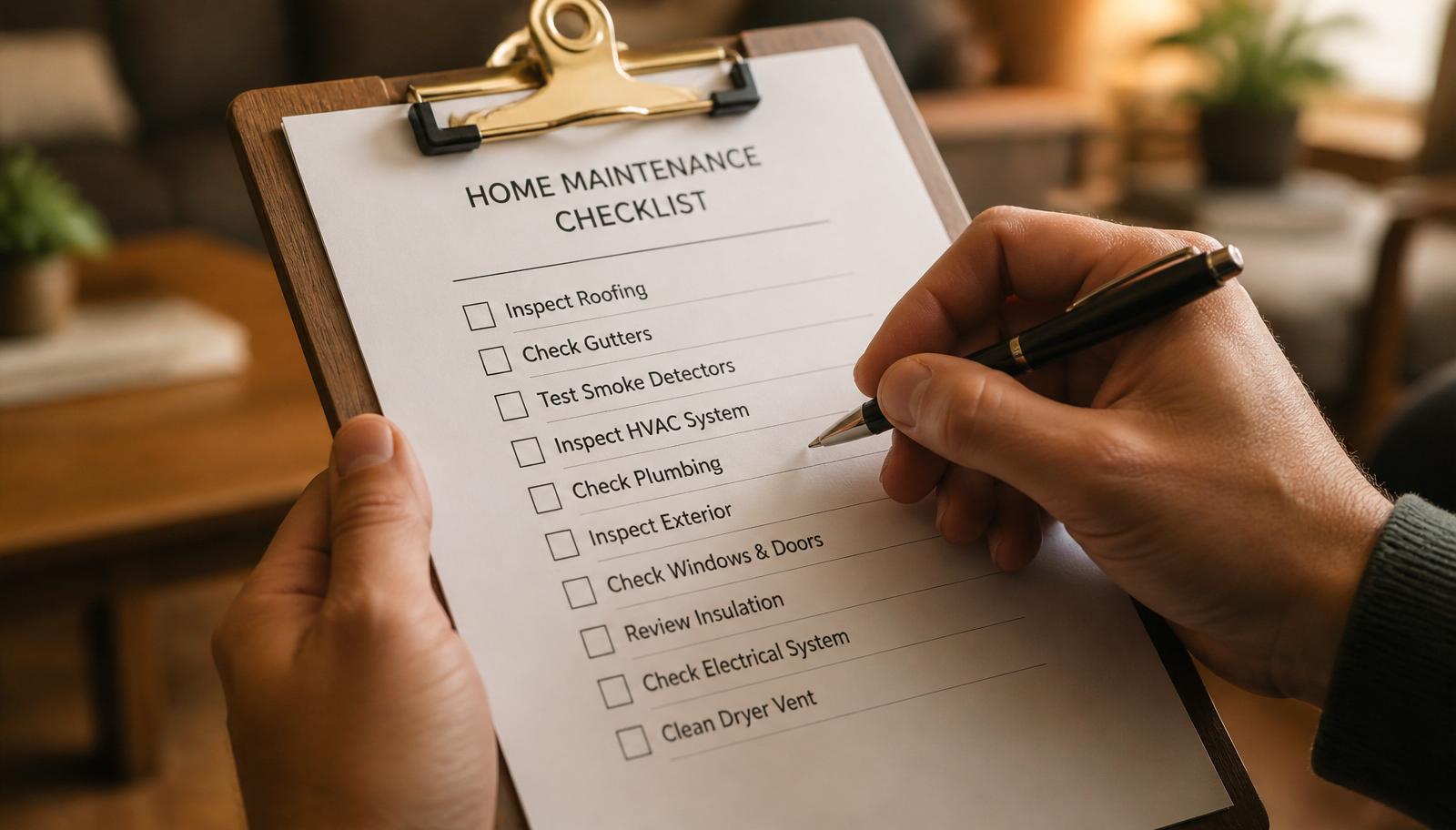
How to vet an estate sale company — the realtor's checklist:
- [ ] Request the current certificate of liability insurance — in writing
- [ ] Request the current surety bond documentation (bonding = theft protection)
- [ ] Read the contract before recommending it — check timeframe, commission percentage, all fees, payment terms, and post-sale home condition clause
- [ ] Confirm the client will be paid within 1–2 weeks of the sale closing (longer than 30 days is a red flag)
- [ ] Call at least two past client references — homeowners, not shoppers
- [ ] Visit one of their active sales in person if possible
- [ ] Check online reviews — filter to the lowest-rated ones and look for patterns
Walk away if you see: pressure to sign without reading the contract, vague pricing methodology, no online presence, no insurance documentation, or payment terms that stretch beyond 30 days. (Brown Button's hiring guide covers similar red flags.)
Save copies of the insurance certificate and contract in your client's file. If something goes wrong later, documentation protects your license. For a deeper breakdown of commission rates and hidden fees, see our full cost guide.
The Ideal Workflow: What It Looks Like When It Works
Here's the sequence that protects your client's financial recovery and keeps everyone on the same page:
- Initial engagement. You sit down with the family. Before you talk about listing timeline, you ask whether contents need to be addressed. If yes, you mention an estate sale company will need to walk through before anything is moved.
- Estate sale company walkthrough. They assess what's in the home, provide a realistic timeline, and explain the process to the family. No obligation required for this step with most reputable companies.
- Set the listing timeline together. The estate sale company gives you a date when the home will be cleared and ready. Your listing date is built backward from that, not the other way around.
- Insurance check. You remind the client (or their attorney in probate) to call their carrier and convert to a vacant home policy before the 30-day window closes.
- The sale runs. You let the professionals do their job. You're not present unless invited. You've vetted the company. You trust the process.
- Cleanout complete, listing goes live. The house is empty, cleaned, and ready. You list it. Everyone made more money.

A Note on Probate
Probate situations add a layer of complexity that catches a lot of agents off guard. Here's the short version:
You cannot sign a listing agreement until the executor has been formally appointed by the court — that typically takes 45–60 days after the initial filing. But you can start preparing. Interview estate sale companies. Walk through the property. Get the timeline mapped. When Letters Testamentary arrive, you want to be ready to move immediately.
The ideal listing window in a probate situation is 60–90 days after appointment. That gives time for the estate to be inventoried, the estate sale to run, and the house to be cleared and photographed before it hits the MLS.
One more thing: someone needs to monitor the home during this window. Unoccupied homes are targets. Make sure your client — or their attorney — has arranged regular walkthroughs and appropriate insurance coverage. This is often forgotten.
The SRES Advantage
If you work frequently with seniors, downsizing clients, or estates, the Seniors Real Estate Specialist® (SRES®) designation is worth knowing about.
SRES agents are trained specifically in the needs of clients 50 and older — including estate liquidation, downsizing coordination, and senior transitions. They typically build networks of affiliated service providers: estate sale companies, move managers, cleanout services, and stagers. The designation includes a referral database listed on REALTOR.com and SeniorsRealEstate.com.
If your market includes a lot of older homeowners — which most Florida markets do — building a formal referral relationship with estate sale companies in your area puts you in a stronger position than any competitor who is just googling "estate sale company" the week a listing needs one.
You can find an SRES realtor near you on EstateSaleFinder — and if you're an agent looking to build that referral network, we have find a vetted estate sale company listings across the country.
The Quick Reference Summary
Before the listing conversation ends, add these to your mental checklist:
- Has the estate sale company walked through before anything is moved?
- Is the listing timeline built around the estate sale timeline, not the other way around?
- Is the company bonded, insured, and under contract?
- Has the client been advised about the 30-day vacancy insurance window?
- Are you keeping a vetting file in case something goes wrong?
None of this is complicated. It is mostly timing and communication — two things good realtors already do well. Estate sale companies want to work with you. They just want you to understand what they need to do their job.
The estate sale industry and the real estate industry serve the same clients at the same time in the same homes. When both sides understand each other's process, clients make more money, transitions are smoother, and both professionals build the kind of reputation that earns referrals for years.
You can find vetted companies on EstateSaleFinder — and if you're working with a client who needs help figuring out their next steps, our how to hire an estate sale company guide is a good place to start. For pricing specifics, see what estate sale companies charge.
Keep going: Find a vetted estate sale company · See what companies charge · The hiring guide
Frequently Asked Questions
When should a realtor call an estate sale company?
As soon as the listing conversation begins — even before the contract is signed. A typical single-family home needs 3–6 weeks of lead time. Large estates need 6–10 weeks. In probate, call before the executor has court authority so you're ready to move the moment Letters Testamentary arrive. Calling after the home is pending is almost always too late.
Can a realtor run an estate sale themselves?
No. Estate sale pricing, staging, staffing, security, liability management, and post-sale cleanout require professional expertise. Doing it without experience costs clients money and exposes the agent to complaints and reputational risk. Estate sale companies are specialists — use them.
Should the estate sale happen before or after the house is listed?
Before. The estate sale company needs access to the home, adequate time to price and stage items, and a clear timeline that isn't constrained by a pending closing. Selling first and liquidating second creates pressure that results in lower recovery for your client.
What should a realtor look for when vetting an estate sale company?
Request a current certificate of liability insurance, a current surety bond, and the written contract before recommending any company. Confirm client payout happens within 1–2 weeks of the sale. Call two homeowner references — not shoppers. Visit a live sale if possible. Walk away from any company without insurance documentation or a written contract.
What is the 30-day vacancy insurance rule?
Most standard homeowner insurance policies void or significantly reduce coverage if a home is unoccupied for more than 30 days. Realtors working with estate situations should advise clients to contact their insurance carrier immediately and convert to a vacant home policy before the 30-day window closes. This is frequently overlooked in probate situations.
What is an SRES realtor and how does it relate to estate sales?
SRES stands for Seniors Real Estate Specialist, a designation from the National Association of Realtors for agents who specialize in working with clients 50 and older. SRES agents typically build referral networks that include estate sale companies, move managers, and cleanout services — making them a natural partner for estate liquidation professionals.
How much do estate sale companies charge?
Most estate sale companies charge a commission between 30% and 50% of gross sales, depending on the size, value, and complexity of the estate. Additional fees — setup, cleanout, credit card processing, permits — may apply. See our full breakdown of estate sale company costs and what's fair to expect in a contract.