
The Secret Room Every Estate Sale Buyer Should Check
Most buyers skip it. The pros head straight for it. There's one room in every house that consistently hides the best deals.
Ask any professional estate sale buyer where they head first, and you'll hear the same answer: the garage.
Why the Garage Is Gold
While everyone else floods through the front door and makes a beeline for the jewelry case, the garage sits quietly in the back — packed with some of the most valuable items in the entire sale.
Tools. Quality hand tools and power tools hold their value incredibly well. Vintage Stanley planes, Snap-on wrenches, and old woodworking tools can be worth hundreds of dollars each. Brand name, the amount of wear on the cutting edges, and whether original boxes or cases are present all affect what a tool is worth. A plane with a clean sole and sharp iron is worth far more to a working woodworker than a rusted one that "needs restoration."
Sporting goods. Vintage fishing reels, golf clubs, hunting equipment, and camping gear are consistently underpriced at estate sales because they're not "pretty" enough for the main display areas. Collectors of vintage fishing tackle, in particular, often pay well for reels and lures in original boxes with intact labels.
Workshop treasures. Old hardware, fasteners, vintage paint cans (check first for lead content before handling old paint), and workshop supplies might seem like junk, but specialty buyers and restorers actively seek these items out — especially matching sets of vintage nuts, bolts, and hinges that are hard to source new.
Other Overlooked Spots
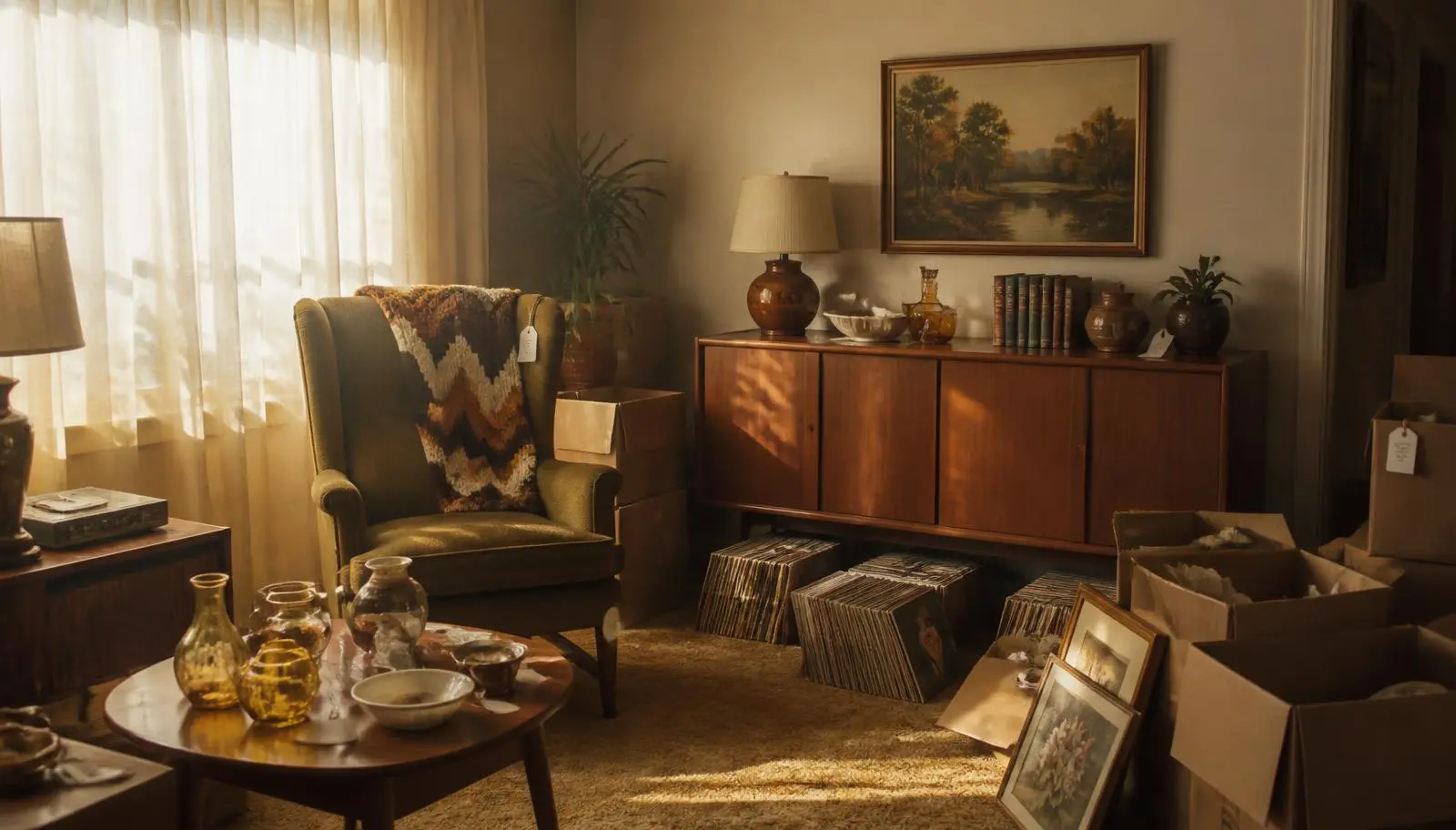
The basement. Holiday decorations (especially vintage Christmas ornaments and blown-glass figures), old records stored in boxes, and forgotten storage bins often contain hidden treasures. Basements also tend to stay cooler and drier than attics, so paper goods, records, and textiles stored there are often in better condition.
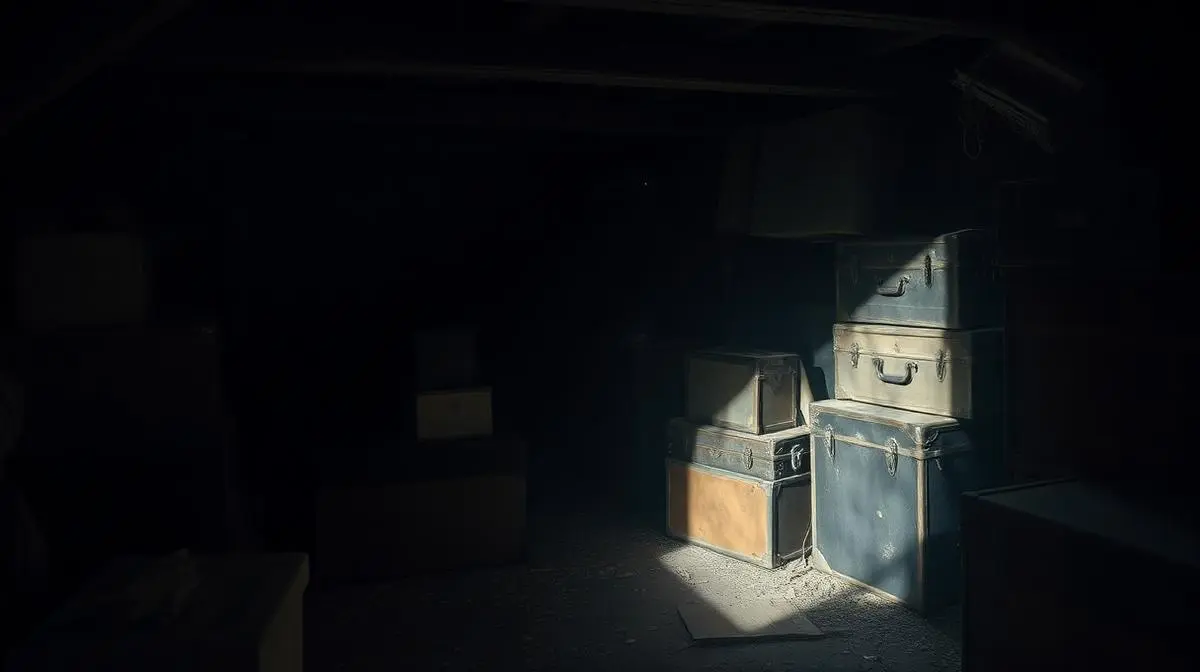
The attic. If the estate sale includes attic access, go. Old trunks, vintage clothing, and family heirlooms often end up in attics and are priced to move. Be mindful of attic conditions, though — heat and humidity swings can damage textiles, photographs, and vinyl records over the years, so inspect items closely for warping, mildew, or insect damage before buying.
Under furniture. Seriously — look under beds, behind dressers, and inside closets. Items get pushed to the back and forgotten about for decades. It's common for a shoebox of old photographs, a stack of vintage magazines, or an entire set of dishes to end up forgotten in the back of a closet.
Linen closets and hall cabinets. These are routinely skipped by buyers who assume they only hold towels. In reality, they're also where families store good silverware, special-occasion tablecloths, and sometimes jewelry boxes tucked behind the linens.
How to Evaluate What You Find in These Spaces
Finding a less-obvious room is only step one — knowing what you're looking at once you're there matters just as much.
- Check for maker's marks and model numbers on tools. Tool collectors pay close attention to specific models and manufacturing eras, and a quick search of the stamped model number can tell you whether you've found a common model or a sought-after variant.
- Inspect moving parts. For tools, reels, and mechanical items, check that everything still moves as intended. A seized mechanism or missing part can significantly affect value and usability.
- Smell and look for moisture damage. Basements and garages are common spots for water damage, mildew, and rust. A musty smell on textiles or paper items is a red flag worth factoring into your offer.
- Bring a flashlight and tape measure. Garages and attics are often poorly lit, and a tape measure helps you confirm furniture will actually fit through your doorways and in your space before you commit to buying it.
Common Mistakes to Avoid
Skipping these rooms entirely because they look messy. Clutter is often a sign that nobody has sorted through the space in years — which means it hasn't been picked over yet either.
Assuming rust or dirt means something is ruined. Many tools and metal items clean up beautifully with the right (gentle) techniques. Surface rust in particular is usually cosmetic and doesn't necessarily affect function or long-term value.
Not asking about larger garage or workshop items. Big tools, workbenches, and storage cabinets are sometimes left off the printed price list simply because staff ran out of time to tag everything. It never hurts to ask.
The Pro Move
Before you browse the curated displays, do a quick lap through the overlooked spaces — garage, basement, attic, closets, and under furniture. You'll face less competition and often find better deals. Then go back and browse the main areas at your leisure, knowing you've already covered the spots most buyers never think to check.
When to Skip It
Not every garage, basement, or attic is worth your time. If a listing photo or description specifically notes that the garage or outdoor spaces were already cleared, or if the company mentions a separate tool sale or auction happening for larger equipment, you can likely move straight to the main house. Trust the listing details companies provide — they're usually written by people who've already walked through the entire property and know where the good stuff actually is.
A Quick Checklist for Your Next Sale
- Ask at check-in whether the garage, basement, and attic are included in the sale
- Bring a flashlight and a small tool like a screwdriver to check moving parts
- Wear closed-toe shoes — garages and basements often have loose nails, broken glass, or uneven flooring
- Budget extra time for these spaces before heading into the main house, since they're easy to rush through if you're short on time
Keep exploring
Ready to start your own treasure hunt?
Discover estate sales near you and find incredible deals.
Explore Sales Near Me
About the author
Andy
Founder, EstateSaleFinder.net
Hi, I'm Andy — a retired commercial photographer turned developer with a five-year (and counting) obsession with estate sales. I started EstateSaleFinder.net because I knew there had to be an easier, smarter way to find and list estate sales. Now I get to chase treasure and build the tool I always wished existed.