What Is an Estate Sale? A Complete Beginner's Guide (2026)
What is an estate sale, exactly? Here's the warm, plain-English guide to what an estate sale actually is, how it's different from a garage sale or auction, how the pricing and the famous early-morning line really work, and exactly what to do when you walk in the door for the first time. No experience required.
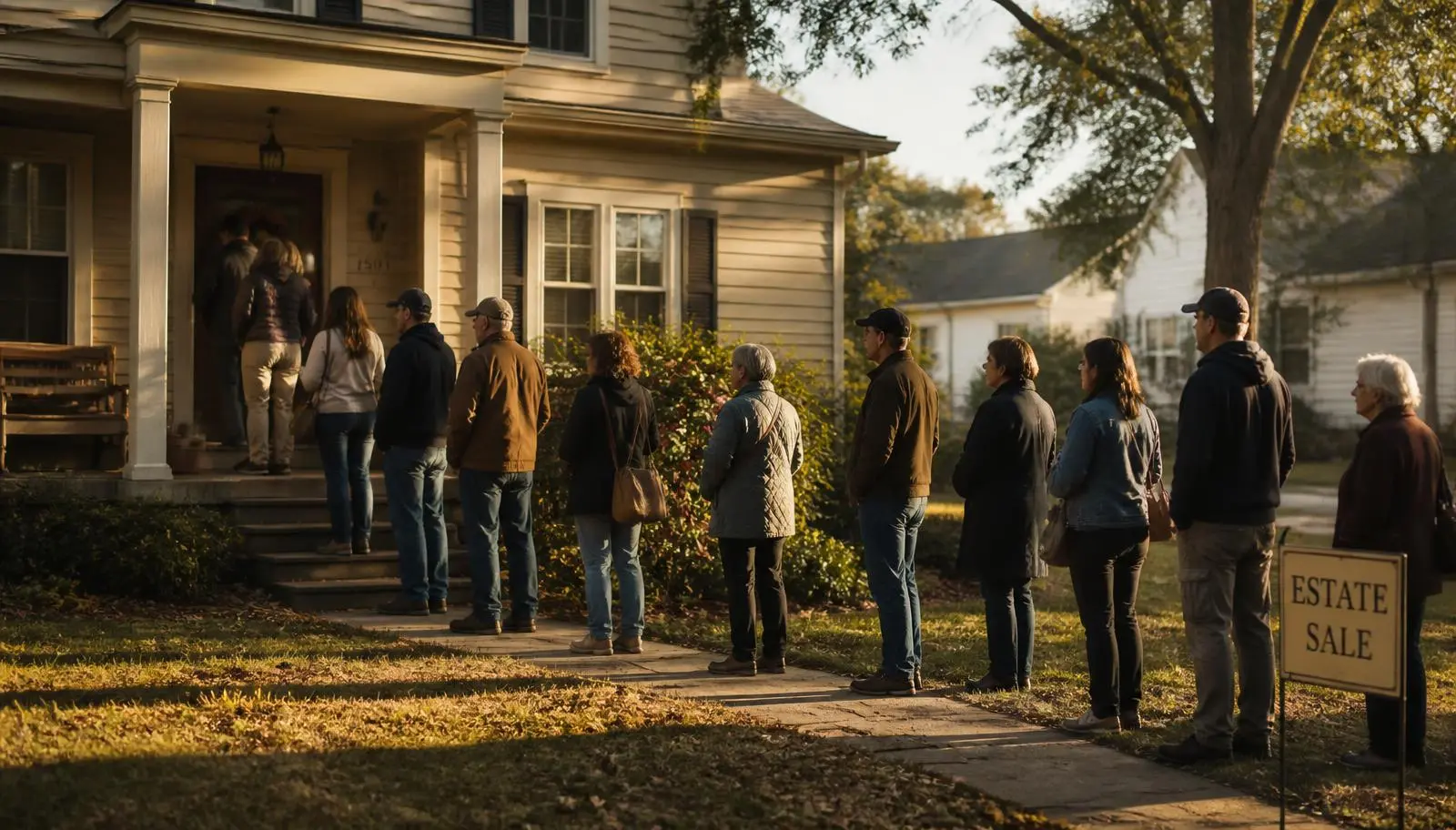
You've probably seen the signs. Little arrows stapled to telephone poles on a Friday morning, pointing toward a house in a quiet neighborhood: ESTATE SALE. Maybe you've driven past the line of people waiting on the lawn and wondered what on earth was going on in there, and whether you were missing out on something.
You were, a little. But the good news is that estate sales are one of the most welcoming, low-pressure, genuinely fun ways to find beautiful things for a fraction of their worth — and once you understand how they work, the whole thing stops feeling mysterious and starts feeling like a treasure hunt you've been invited to.
This is the friendly, no-experience-needed guide. By the end, you'll know exactly what an estate sale is, how it runs, and how to walk in the door like you've been doing it for years.
So, What Is an Estate Sale, Really?
An estate sale is a sale of (almost) everything inside a home — held inside that home — usually because someone is moving, downsizing, or has passed away and the family needs to clear the house.
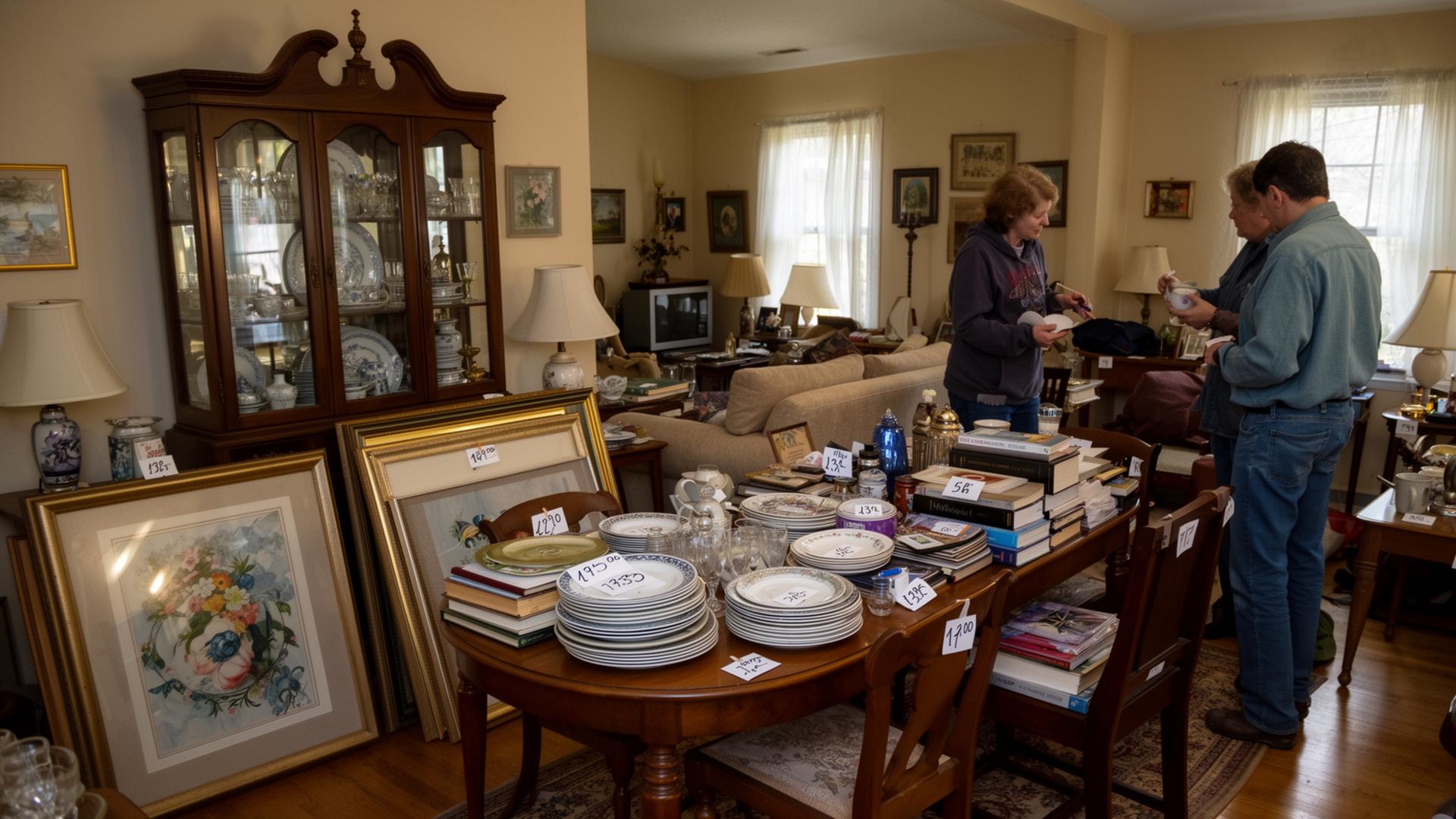
That's the key difference from anything else you've shopped: it's not a curated rack of items someone chose to sell. It's an entire household, opened up to the public. The furniture, the dishes in the cabinets, the tools in the garage, the art on the walls, the books, the linens, the jewelry, the holiday decorations in the attic — all of it, priced and ready to go.
Because the goal is to empty the house, prices are set to sell, not to maximize every dollar. That's exactly why estate sales are such a goldmine for shoppers. You're buying a lifetime of carefully chosen things at clear-the-house prices.
How Is It Different From a Garage Sale?
People mix these up all the time, so here's the simple version:
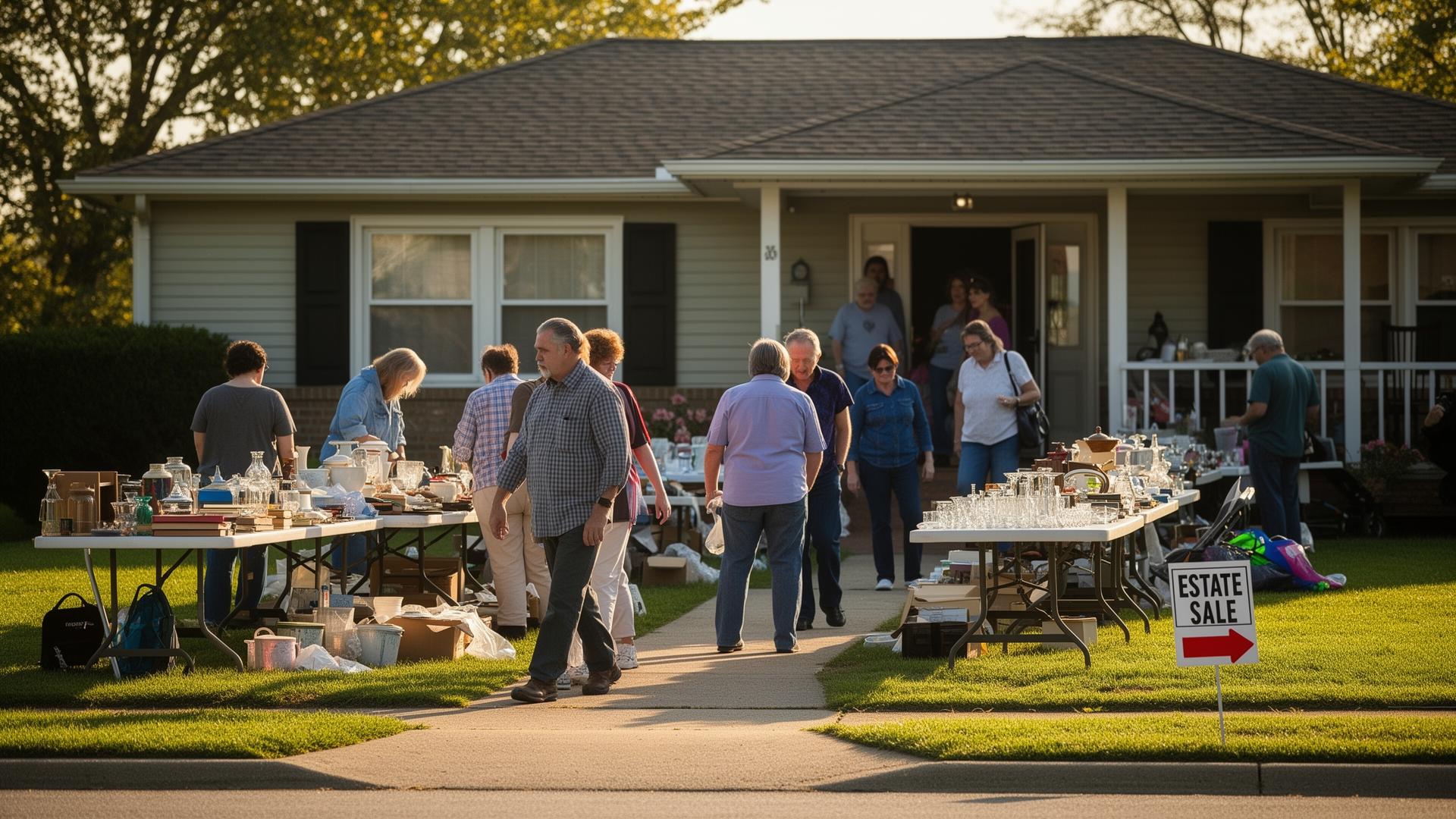
- A garage sale (or yard sale) is usually a family selling a selection of stuff they don't want anymore — out in the driveway, often haphazardly priced, and run by the homeowners themselves.
- An estate sale is the entire contents of a home, usually run by professionals, held inside the house, with everything tagged and organized.
- An auction sells items to the highest bidder one at a time. An estate sale has fixed prices you can usually negotiate — no bidding wars.
Think of it this way: a garage sale is a yard. An estate sale is a whole life, respectfully laid out and priced to find new homes.
Who Actually Runs These Sales?
Two answers:
1. A professional estate sale company. Most larger sales are run by companies that specialize in exactly this. They come in, sort and clean the entire house, research and price everything, advertise the sale, run the doors and checkout over a weekend, and take a commission (typically 25–45%) of the total. They're the reason everything is tagged, organized, and laid out so nicely.
2. The family themselves. Smaller sales are sometimes run by the family directly. These can be a little less organized — and sometimes that means better bargains, because nobody's done deep research on the prices.
Either way, the people working the sale are almost always friendly and happy to answer questions. You don't need a special invitation. If the sign is out, you're welcome.
How the Pricing Works
Almost everything has a price tag — a small sticker or a tag with a number written on it. (Sometimes a whole table is priced together: "everything on this table $2.") There's no secret code. The number you see is the asking price.

A few friendly truths about pricing:
- Yes, you can usually negotiate — politely. More on that in a second.
- Prices often drop as the sale goes on (this is the big one — keep reading).
- If something isn't tagged, just ask. Don't assume it's not for sale or that it's free.
The Most Important Thing to Understand: Day 1 vs. the Last Day
This is the secret that turns a casual shopper into a savvy one. Most estate sales run two or three days, and the strategy flips completely depending on when you go:
- The first morning is for the people who want the best items and are willing to pay full price to guarantee they get them. The competition is highest, the selection is complete, and prices are firm. If there's a specific treasure you can't risk losing, be there early.
- The last day is for the bargain hunters. Sales very commonly go to half price (or more) on the final day, because the company would genuinely rather sell it than pack it up. The selection is picked over, but the deals are spectacular.
There's no "right" answer — it depends on whether you're hunting for a specific prize or just open to whatever great deal you stumble into. Knowing the difference is what matters.
What's the Deal With the Line and the Numbers?
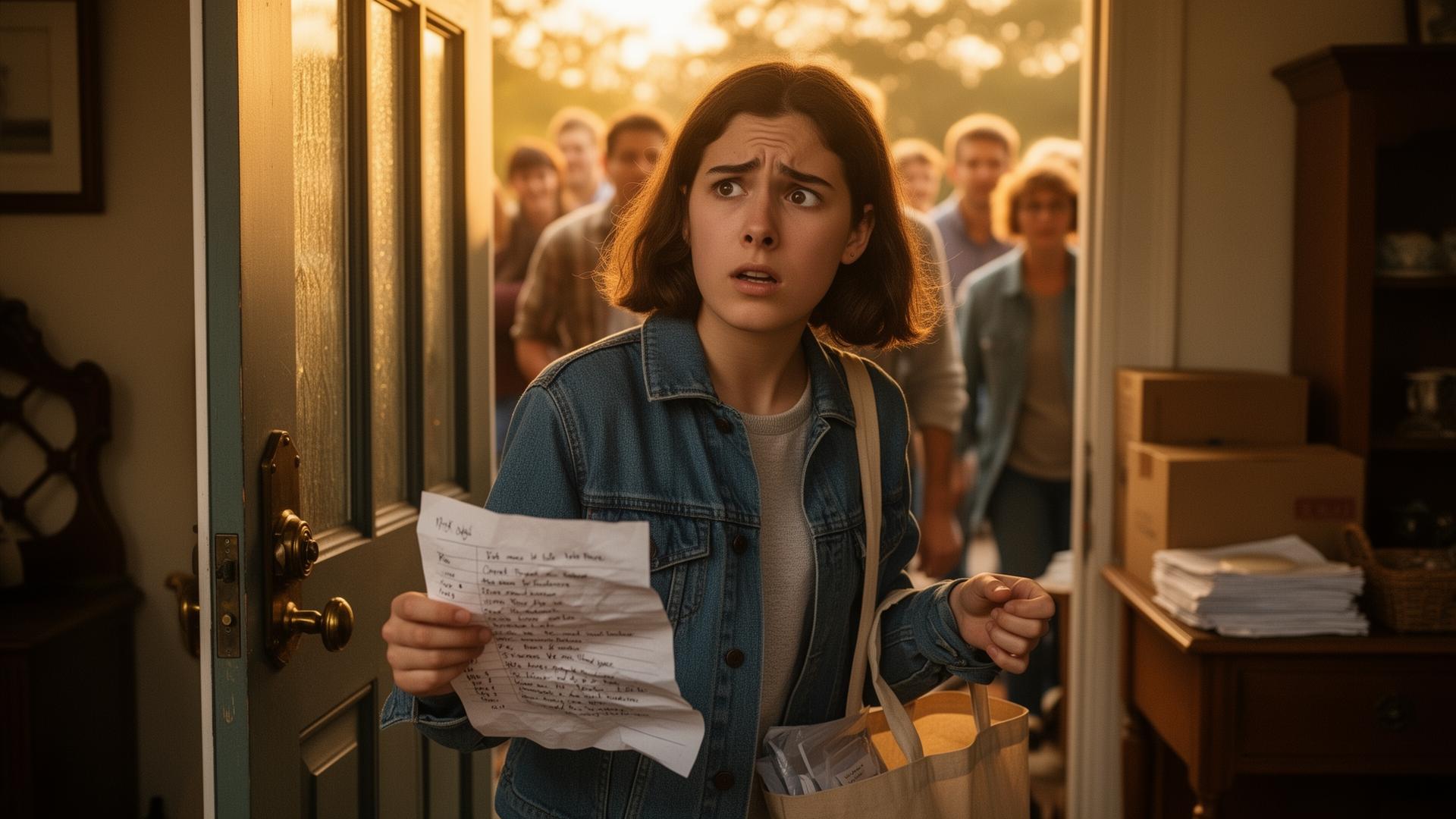
At popular sales, people line up before opening — sometimes well before. To keep it fair, many companies hand out numbered tickets (or keep a written list) in the order people arrive, and let shoppers in a handful at a time based on that number.
It's an honor system that the regulars take seriously, and it's the single most important piece of estate sale etiquette: respect the list. Don't cut, don't argue about your number, and you'll fit right in. Most sales aren't crowded enough to need a list at all — but when there is one, it's how the community keeps things friendly.
The Unwritten Etiquette (So You Feel Like a Regular)
None of this is hard, but knowing it makes the whole experience smoother:
- Bring cash. Many sales take cards now, but small bills make everything easier and can grease a friendly negotiation.
- Carry your finds. If you're not ready to buy something but don't want to lose it, hold onto it — putting it down means it's fair game.
- Ask before you negotiate, and be kind about it. "Would you take $15 for this?" works beautifully. Lowball offers and rudeness do not.
- Watch your bag and your elbows. Houses are tight and full of breakables. You break it, you've bought it.
- Be respectful of the home. Especially when the sale follows a loss, remember a family is letting strangers into a deeply personal space. A little warmth goes a long way.
How You Pay
When you're done, you bring your items to the checkout table, usually near the front door. Someone tallies your prices, you pay (cash or card), and they'll often wrap fragile things in newspaper for you. That's it — you're out the door with your finds.

Quick Beginner Questions, Answered
Do I need to register or pay to get in? No. Estate sales are free and open to the public during posted hours.
Can I just look, or do I have to buy? Just look all you like. Browsing is completely normal and nobody expects you to buy.
Are the prices fair? Usually very fair, and often well below retail — but not everything is a steal. If you're unsure what something's really worth, you can snap a photo and let our Ai appraiser suggest a realistic value range on the spot, so you buy with confidence.
What if I see something valuable that's underpriced? That's the whole thrill — it happens constantly, especially at family-run sales. Grab it, pay the asking price, and enjoy your good luck.
How to Find Estate Sales Near You
You don't have to rely on spotting signs anymore. The easiest way is to search by your location, see what's running near you this weekend, browse photos of what's for sale before you go, and even get alerts when sales pop up nearby.
That's exactly what we built this for: to take the guesswork out of finding the good sales so you can spend your weekend hunting instead of hunting for the hunt.
Your first sale is the hardest part — and it's genuinely easy. Find estate sales near you, pick one that looks fun, and go. Worst case, you spend a pleasant morning poking around a beautiful old house. Best case, you walk out with something you'll treasure for years.
Welcome to the hunt. You're going to love it.
Keep exploring
Ready to start your own treasure hunt?
Discover estate sales near you and find incredible deals.
Explore Sales Near Me
About the author
Andy
Founder, EstateSaleFinder.net
Hi, I'm Andy — a retired commercial photographer turned developer with a five-year (and counting) obsession with estate sales. I started EstateSaleFinder.net because I knew there had to be an easier, smarter way to find and list estate sales. Now I get to chase treasure and build the tool I always wished existed.