Vintage Toys Worth Money: The '80s and '90s Toys Hiding at Estate Sales Right Now
That dusty box of old action figures in the corner of an estate sale? It might be the most valuable thing in the house. Vintage toy prices have quietly gone wild — robots, action figures, dolls, handheld games, and building sets from the '70s, '80s, and '90s are pulling real money on eBay sold listings. Here's exactly what to look for, what it's actually worth, and how to know in ten seconds whether you're holding a $5 toy or a $500 one.
There's a moment that happens at almost every estate sale, and most people walk right past it.
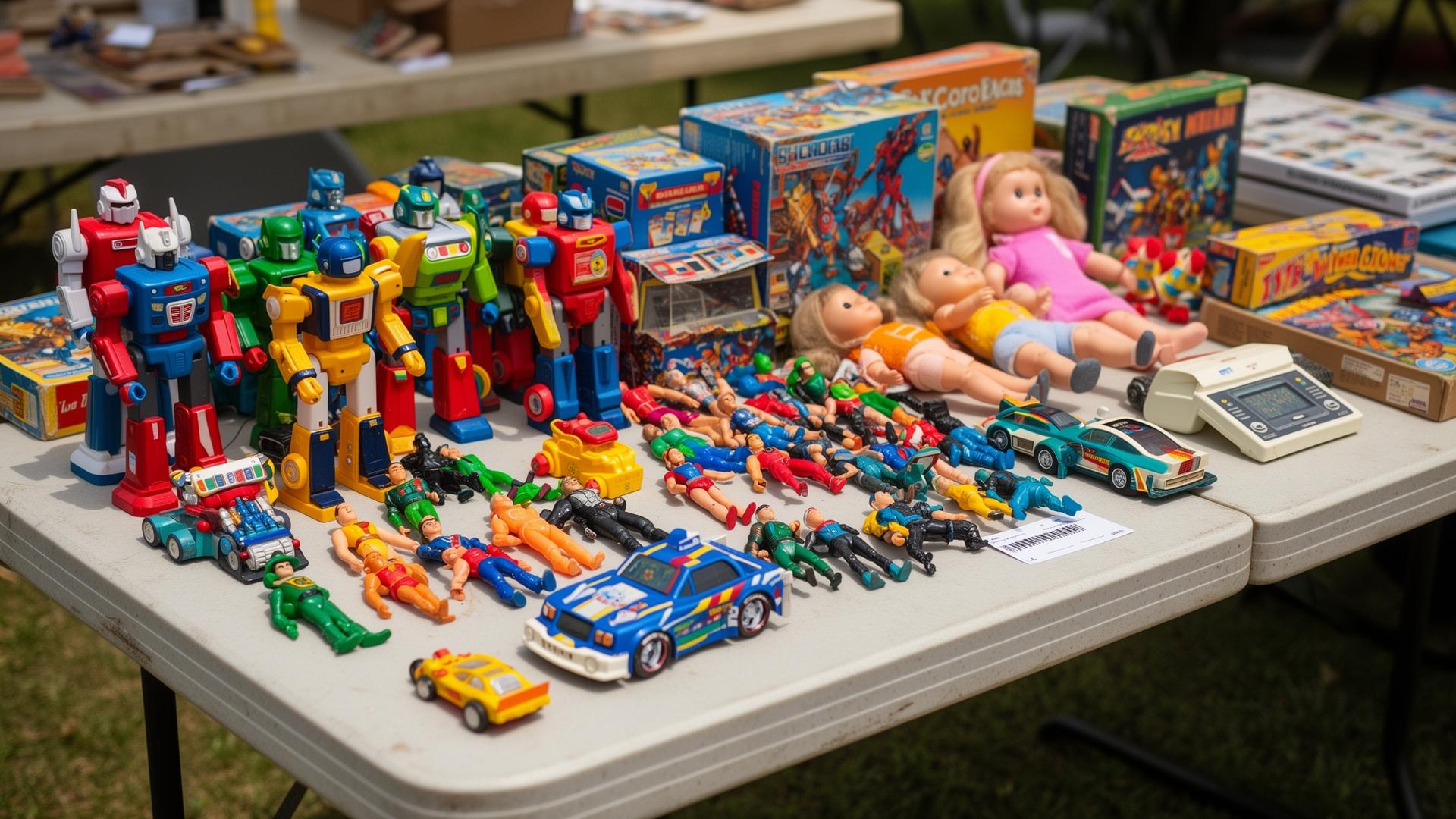
It's a cardboard box, usually shoved under a folding table or sitting in the back of a kid's old bedroom, full of plastic toys that look like junk. Tangled action figures. A robot missing one arm. A couple of dolls with frizzy hair. Most shoppers glance at it, decide it's a $2 box of clutter, and keep moving toward the furniture.
And every so often, the person who stops and digs through that box walks out with something worth more than everything else in the house combined.
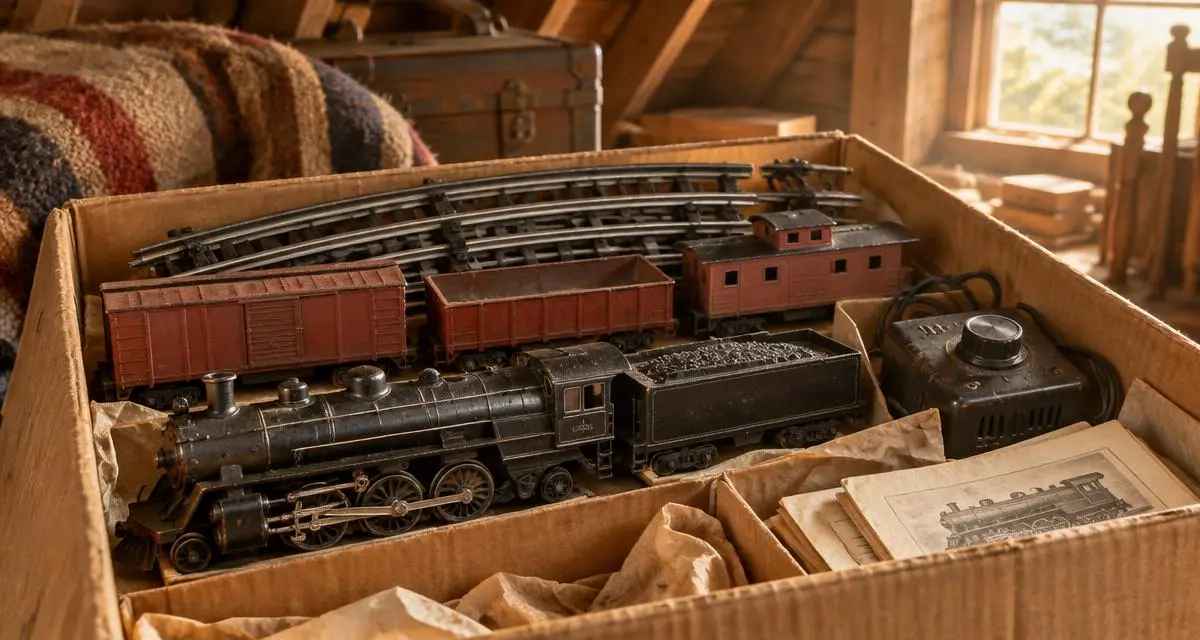
That's not an exaggeration. The vintage toy market has quietly become one of the most exciting corners of the whole resale world, driven by a simple, powerful force: the kids who grew up in the '70s, '80s, and '90s now have adult money and a deep, aching nostalgia for the toys they had to give away. For an older collecting world with its own markings, gauges and restoration traps, read our documented guide to Lionel train values and the $77,000 attic find. Here's the friendly, no-jargon guide to what's actually valuable, what it's worth, and how to spot it before anyone else does.
Why Old Toys Are Suddenly Worth Real Money
Three things happened at once.
First, the buyers grew up. A toy that cost $12 in 1989 was loved, played with, and eventually thrown out by a parent doing a cleanout. Decades later, that same kid is 45, has disposable income, and will happily pay $200 to own the exact thing they lost. Multiply that by millions of people and you get a market.
Second, the supply is tiny. Toys were made to be played with, not preserved. The ones that survived in good shape — and especially the ones still in their boxes — are genuinely rare, because almost nobody saved them on purpose.
Third, nostalgia goes viral. A single video of someone opening a sealed childhood toy can rack up millions of views, and every spike in attention pushes prices up. This is the rare category where being sentimental and being smart point in exactly the same direction.
The result: a market where condition, completeness, and the right name can turn a dollar-bin toy into a small windfall.
The Big Categories (And What They're Actually Worth)
Let's go through the toys that consistently surprise people. These are realistic ranges based on eBay sold listings — what items actually closed at, not optimistic asking prices.
Action Figures
The heart of the market. Posable figures from the '80s and '90s — space heroes, ninjas, fantasy warriors, cartoon tie-ins — are the most reliably valuable toys you'll find.
- Loose, played-with figures: often $5–$40 each, more for fan-favorite characters.
- Complete with their original accessories (the tiny weapons, helmets, and gear that always got lost): $30–$150.
- Still sealed in the original card or box: this is where it gets serious — $100 into the high hundreds, and into the thousands for the holy-grail characters.
The lesson: that loose figure is worth something, but the accessories and the packaging are where the real money hides.
Tin and Plastic Robots
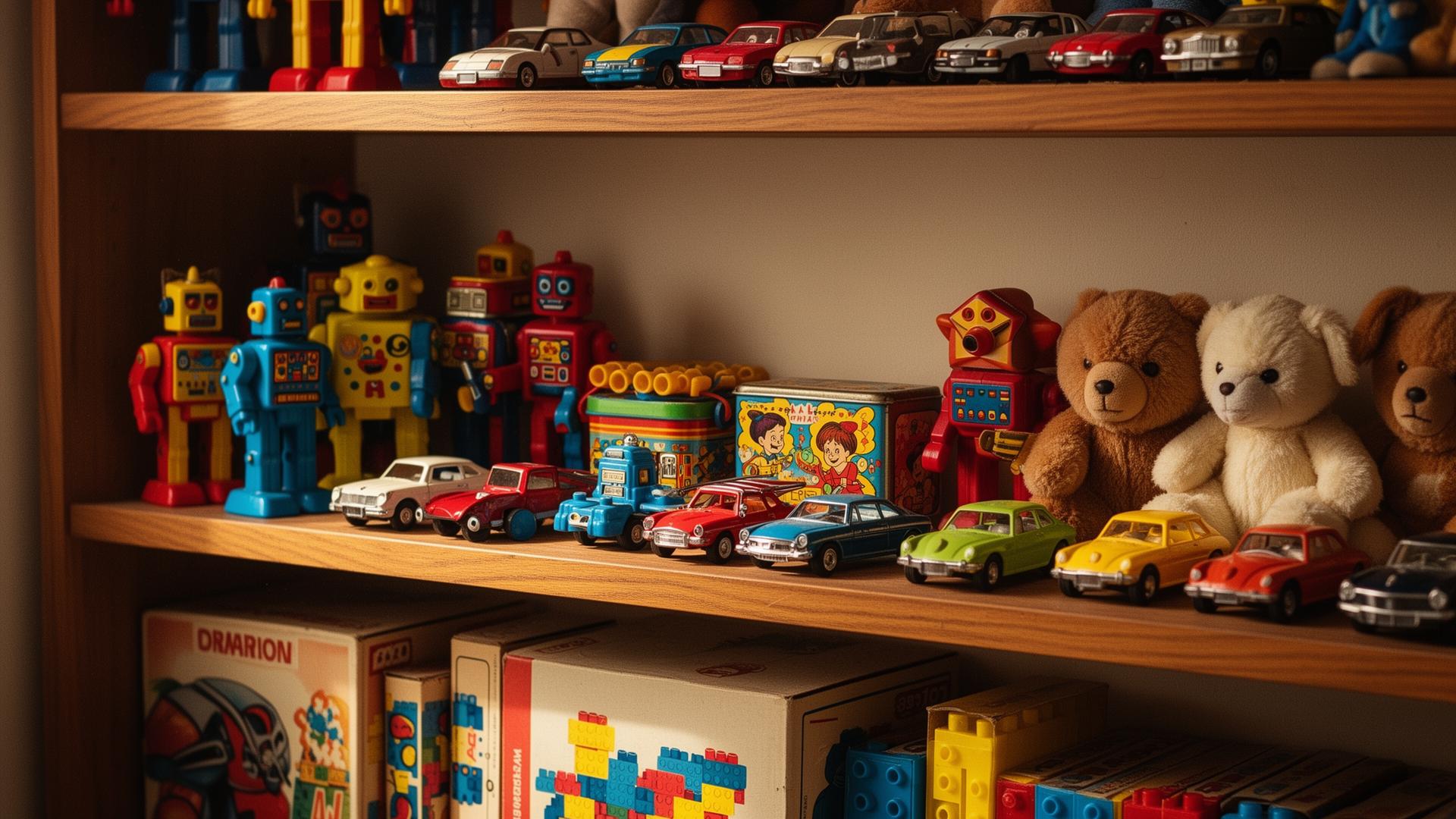
Windup tin robots and battery-operated space toys — especially older ones from the '50s through the '70s — are blue-chip collectibles. A clean, working tin robot can run $80–$400, and the rarer Japanese-made examples climb well past that. Even the chunky plastic robots from the '80s have a devoted following.
Dolls and Fashion Dolls
Don't skip the dolls. Certain fashion dolls and their playsets, baby dolls with electronic features, and complete doll houses can be quietly valuable — especially first-edition or early-run examples in their boxes. Loose dolls are usually modest ($10–$30), but a mint, boxed early edition can reach the hundreds.
Handheld and Electronic Games
The little beeping handhelds and tabletop electronic games from the '80s and '90s are red hot. Working units with the original box can pull $60–$250, and the scarcer titles go higher. Even non-working ones sell for parts.
Building Sets and Construction Toys
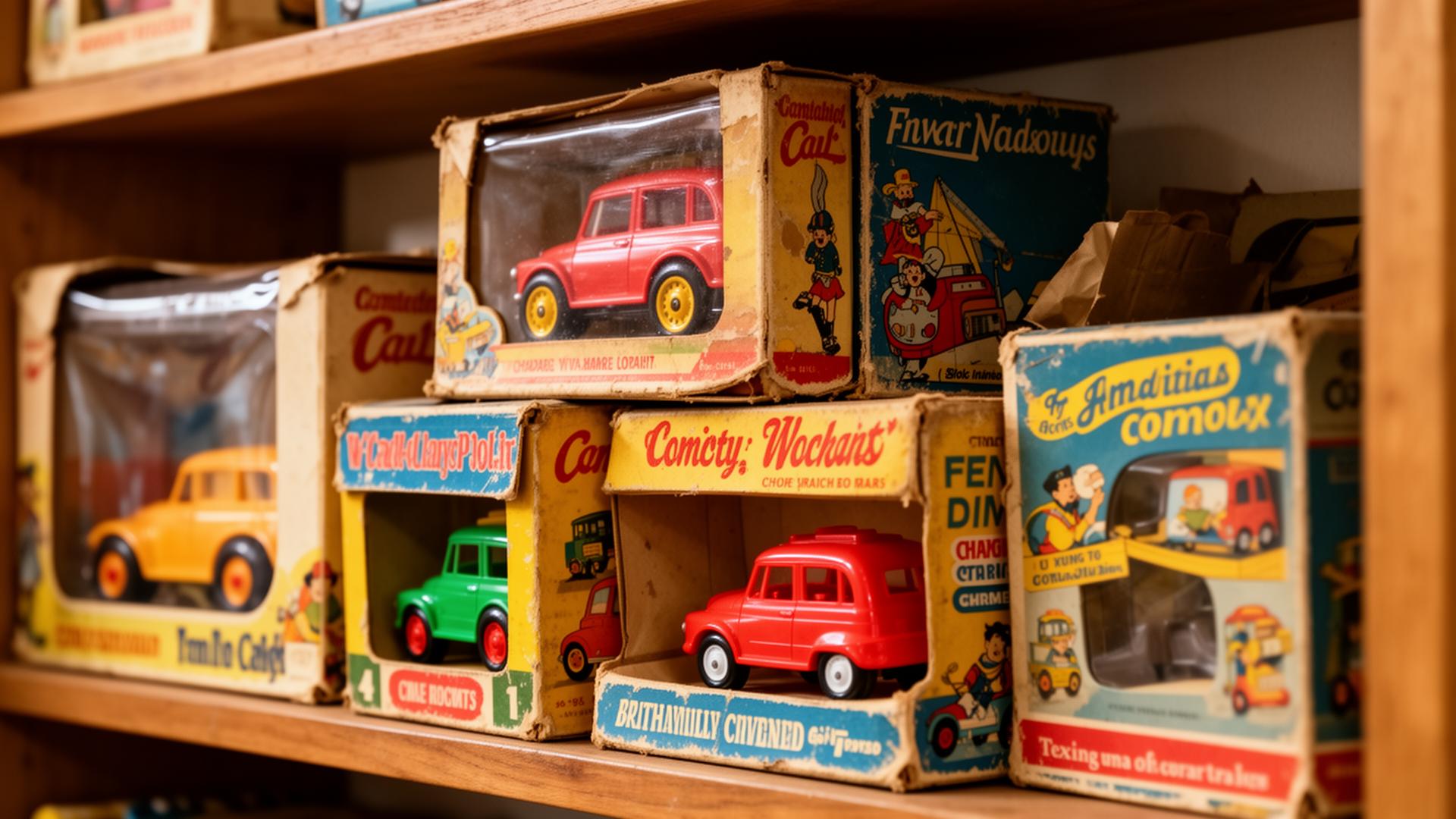
Sealed or complete building-block sets — especially licensed sets tied to movies — appreciate steadily. A complete vintage set with its instructions and box can be worth several times its original price, and retired themed sets are among the most reliable toys to resell.
Board and Strategy Games
Most board games are worth a few dollars. But early printings of certain fantasy and strategy games, complete with every piece and the original box, can surprise you — $50–$300 for the right title in complete condition. Completeness is everything here; one missing piece tanks the value.
Diecast Cars
Those little metal cars in the bottom of the box? Early ones in original packaging, redline-era examples, and rare color variants can run from $20 to several hundred dollars each. Loose and beat-up, they're a dollar — pristine and carded, they're a category all their own.
Condition and the Box Are (Almost) Everything
If you remember one thing from this guide, make it this: the box is often worth more than the toy.
Collectors grade toys on a ladder, and each rung roughly doubles the value:
- Loose and incomplete — fun, but the lowest value.
- Loose but complete — all the accessories present.
- Complete with the original box or card.
- Mint in a sealed box — the top of the market.
This is why that ratty box of original packaging an estate sale family almost threw away can be the real treasure. When you're digging, save the boxes, the little instruction sheets, the accessories, and even the twist-ties. They matter more than you'd ever guess.
A Quick Word on the Myths
Two honest truths, because we'd rather you make money than chase ghosts:
- Beanie Babies are (mostly) not it. The '90s plush bubble burst hard. A handful of genuine rarities exist, but the overwhelming majority are worth a dollar or two, no matter what the old price guides claimed. Don't let a bin of them excite you.
- "Rare" on a listing means nothing. Anyone can type "rare" into a title. What matters is what sold — the actual closed prices — not what someone is hopefully asking. Always check sold listings, never active ones.
How to Know in Ten Seconds Whether It's Worth Buying
Here's the part that changes everything. You don't need to be a toy expert anymore.
Standing right there at the sale, snap a photo of the toy with your phone and let our Ai appraiser take a look. It identifies what you're holding and suggests a realistic value range based on comparable eBay sold listings — so you can make a confident decision before the person next to you even finishes their coffee.
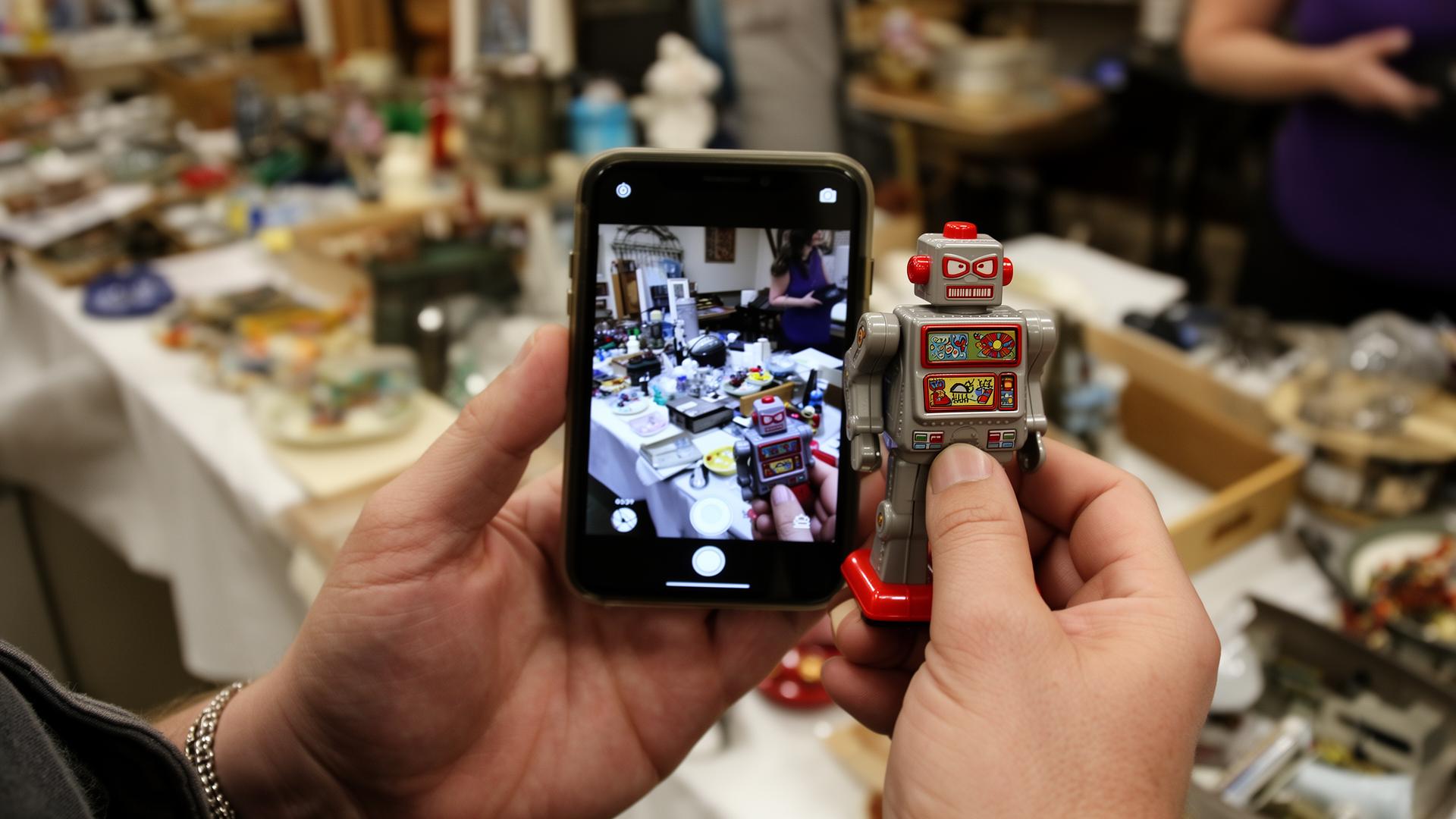
It's not magic, and it's not a guarantee — think of it as a knowledgeable friend whispering "that one's worth a closer look" or "leave it." For a $3 decision, that's all you need. For a possible $300 one, it's everything.
Five Tips for Toy Hunting at Estate Sales
- Go to the kid's room and the basement first. Everyone else fights over the living room. The toys are where the children grew up.
- Dig through the boxes. The good stuff is rarely displayed nicely. It's tangled at the bottom of a bin.
- Hunt for accessories and boxes. A complete figure is worth multiples of a loose one. Grab the little pieces.
- Buy the lot. If a box of mixed toys is priced as one bundle, the math almost always works in your favor — one good figure pays for the whole box.
- Check before you commit on anything over $20. A ten-second scan keeps you from overpaying and from leaving a sleeper behind.
The Bottom Line
The toys you grew up with weren't supposed to survive. The few that did — especially the boxed, complete, well-loved ones — have quietly become some of the most sought-after objects passing through estate sales every weekend.
Most people will keep walking past that dusty box. Now you won't.
Ready to hunt? Find estate sales near you this weekend, and when you spot something promising, let the Ai appraiser tell you what it's worth before you buy.
Keep exploring
Ready to start your own treasure hunt?
Discover estate sales near you and find incredible deals.
Explore Sales Near Me
About the author
Andy
Founder, EstateSaleFinder.net
Hi, I'm Andy — a retired commercial photographer turned developer with a five-year (and counting) obsession with estate sales. I started EstateSaleFinder.net because I knew there had to be an easier, smarter way to find and list estate sales. Now I get to chase treasure and build the tool I always wished existed.