How to Get Your Antique Booth Online Without Building a Website (A Step-by-Step Guide for Booth Sellers)
You have great inventory. Local buyers have no idea it exists. Here's how to get your specific booth, at your specific antique mall, findable by local buyers — in about 10 minutes.
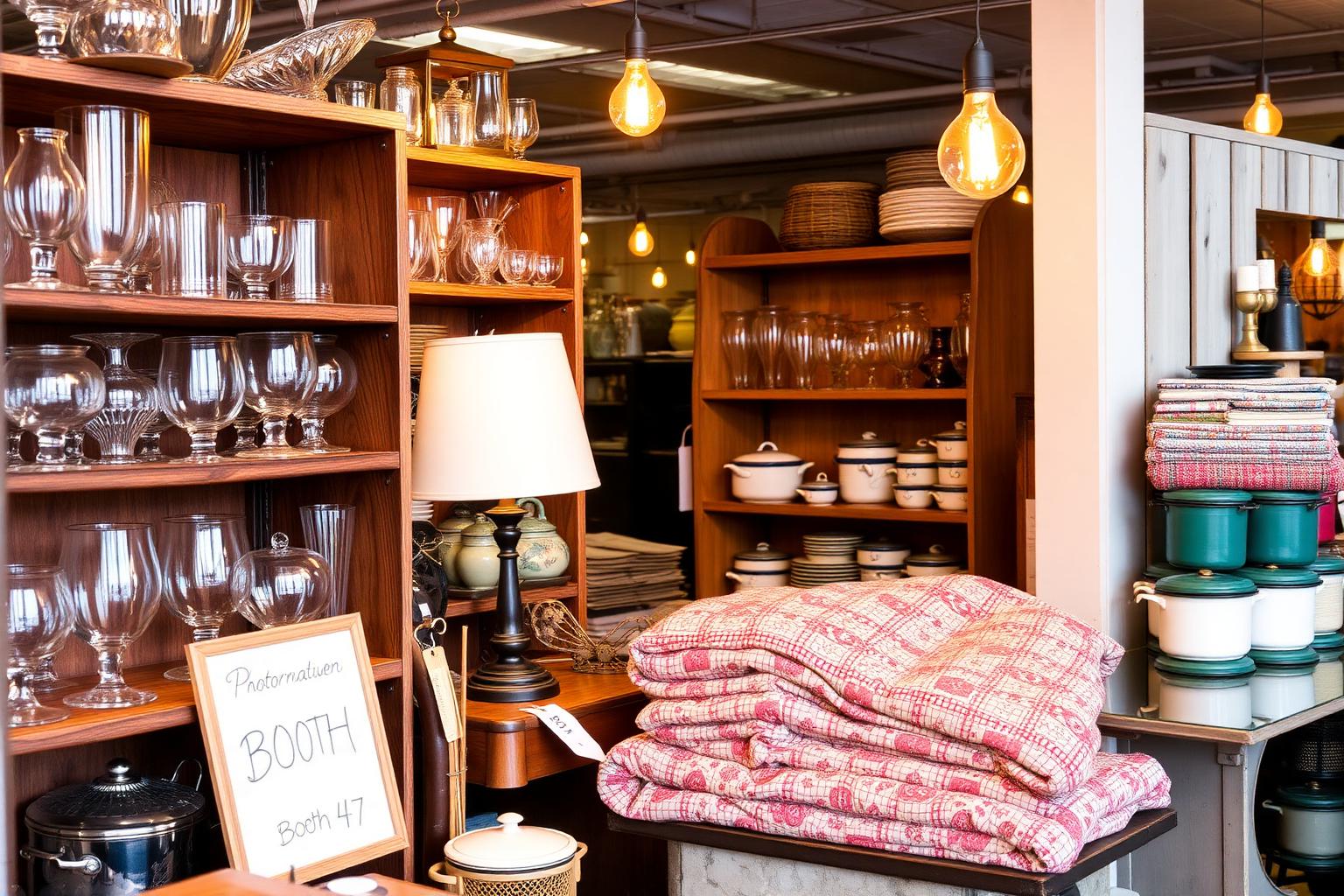
A woman in Nashville drove to four antique malls one Saturday looking for a specific piece of Blenko glass — the tangerine pitcher from the 1960s, very specific. She didn't find it. She drove home empty-handed and bought one on Etsy from a seller in Pennsylvania. Paid $85 plus $19 shipping.
Booth 22 at the third mall she visited had exactly that pitcher. $65. She walked right past it because the booth was packed and she only had time to scan the front aisle. The booth seller — a lovely retired teacher named Diane — never knew the buyer had been there. Diane never knew about the buyer at all.
This is the story of nearly every antique booth in America right now. And it's completely fixable in about ten minutes.
Why Your Booth Is Invisible Right Now
The modern buyer doesn't drive to four antique malls hoping to get lucky. They Google first.
When that buyer in Nashville searched "Blenko glass Nashville" on her phone Saturday morning, here's what came up: Etsy listings (sellers in other states), a couple of generic antique mall homepages with no inventory shown, and a Pinterest board from 2018. Nothing about Diane's booth. Nothing about any booth at any mall in the city.
You're physically present and digitally invisible. The buyers exist. They're searching. The mall's website (if there is one) doesn't list individual booth contents. Your inventory simply does not exist as far as Google is concerned.
What Getting Online Actually Looks Like
A booth profile on EstateSaleFinder shows a buyer:
- Your booth name and number ("Diane's Glass — Booth 22")
- The mall name and street address (so they can drive to you)
- Your specialty categories (Mid-century glass, vintage Pyrex, decorative arts)
- A photo grid of your current items, each with a price
When a buyer in your city searches for what you carry, your booth appears in their results — *with enough information to make them walk directly to you.* No more browsing four malls hoping to get lucky. They drive to your specific mall, walk to your specific booth, and buy the pitcher.
That's the entire mechanism. There is no mystery to it.
Step by Step — Setting Up Your Profile
Plain English. No tech jargon. If you can text a grandchild a photo, you can do this.
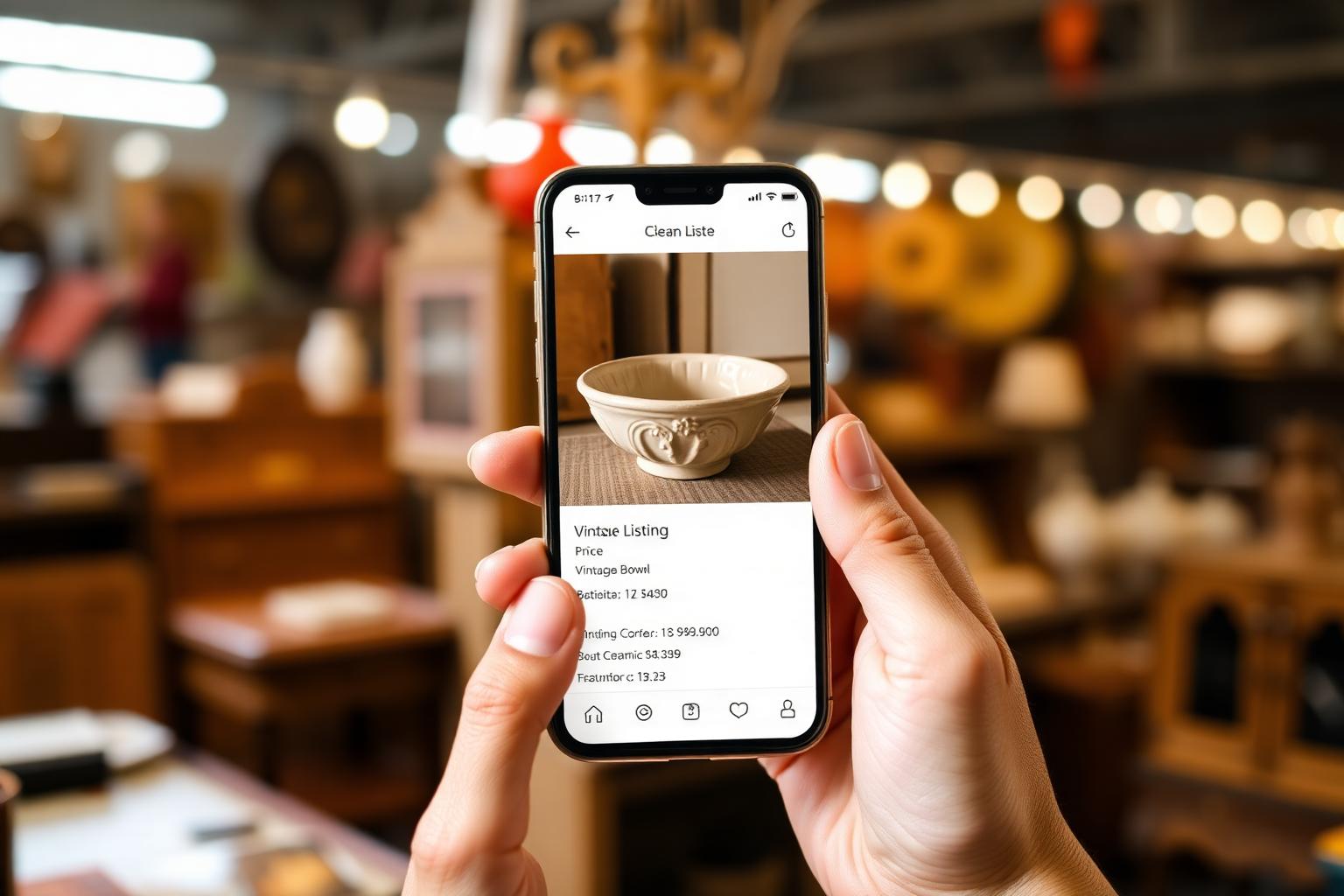
- Create a free account at EstateSaleFinder. Takes about 60 seconds — just an email and a password you'll remember.
- Add your booth name and select "Booth Seller" as your seller type. The booth name is what buyers will see, so make it memorable ("Diane's Glass" is better than "Booth 22").
- Enter your booth number and the name of your antique mall. This is the magic step — it links your booth to your physical location, so when buyers search for things in your city, your booth shows up.
- Choose your specialty categories. Pick the 3–5 categories you actually carry — glassware, vintage Pyrex, mid-century furniture, costume jewelry, vintage fashion, primitives, etc. Buyers search by category.
- List your first items. Take a photo of one item. The Ai identifies what it is and looks up real recent eBay sold prices to suggest a price. You review, adjust, and publish. About a minute per item.
- You're live. Local buyers can now find your booth.
Total time, start to finish, with five items listed: about 12 minutes.
The Ai Pricing Part (This Is the Part That Saves You Hours)
Most booth sellers underprice their inventory. Not because they want to — because researching every piece by hand is impossibly slow. A McCoy planter, a piece of Fiestaware, a mid-century lamp, a depression glass bowl — each of those would normally take 10–15 minutes to research properly. Multiply by a hundred items and you've lost a weekend.
The Ai Photo Appraiser:
- Identifies the item from your photo (maker, era, pattern when applicable).
- Pulls real eBay *sold* listings from the last 60 days — not asking prices, actual transaction prices.
- Suggests a price based on what buyers actually paid recently in similar condition.
- You review the suggestion, adjust if you want, and publish.
A McCoy planter: identifies the maker, finds 12 recent sales, suggests $42. A piece of Spring Blossom Pyrex: identifies the pattern, suggests $58. A mid-century lamp: identifies the style and probable era, suggests $185 with a confidence note about brand authentication.
You stay in control of every price. The Ai just removes the research time.
What Happens After You List
When a buyer finds one of your items in search:
- They can message you directly through the platform. Your phone number stays private — messages route through your account.
- They can save items to their wishlist. When they do, you get a notification. A wishlist save is a buying signal — these are the people most likely to drive to your booth this weekend.
- They can get directions to your specific booth at your specific mall. Not just to the mall — to your booth number.
You don't need to be at the booth to handle inquiries. The mall stays open, the buyer walks in, finds your booth, and pays at the mall counter as usual. Nothing about your existing operation changes — buyers just *find* you now.
The Results People Are Seeing
Jessica, a booth seller in suburban Atlanta, sold $1,800 of inventory in three weeks after listing her booth on EstateSaleFinder. Not new inventory — items that had been sitting in her booth for four months. Three of the buyers told her, unprompted, that they found her by searching online.
That's not unusual. The buyers exist. They're searching. The platform just connects the two ends of a transaction that was already trying to happen.
The 10-Minute Challenge
If you have ten minutes right now, you can have your booth online before the next buyer in your city searches for what you carry. Free to start. First 10 items listed for free. No credit card required.