
How to Start an Estate Sale Company (and Grow One Without Burning Out): Answers to the Questions Nobody Warns You About
Thinking about starting an estate sale company, or running one that feels like it's running you? Here are honest answers to the biggest frustrations — planning, pricing, contracts, marketing and scaling — and where to get free live help every Monday night.
To start an estate sale company, you need a simple business plan, the right local licenses and insurance, a clear client contract, a repeatable way to price and tag items, and a plan to bring buyers to every sale. To grow one, you need systems that save you hours. The Institute for Estate Sale Professionals hosts live mini workshops with Jenna Pecor on Monday nights at 6:00 PM Central — most are free — on exactly these topics. See the workshop schedule.
If you're here, you're probably in one of three spots. You're thinking about opening an estate sale company and wondering if it's crazy. You've run a few sales and you're figuring everything out the hard way. Or you've been doing this for years, the phone keeps ringing, and you're tired.
All three are normal. Nobody hands you a manual for this business — so this guide tries to be the friendly one I wish more operators had, with links to good resources along the way.
Thinking of starting an estate sale company? Here's what nobody tells you
The hard part isn't finding stuff to sell — it's running a small business that happens to involve a lot of stuff. Families trust you with a lifetime of belongings, often during a hard season. That trust is the real product.
Before your first sale, cover the basics:
- A short business plan. One or two pages is enough to start: who you serve, your service area, how you charge, and what you'll do with leftover items. The U.S. Small Business Administration's business plan guide has free templates.
- Licenses and permits. Requirements vary by state, county and city — some areas require a business license, sales tax registration, or an auctioneer or dealer license for certain items. Start with the SBA's licenses and permits guide and call your city.
- Insurance. You're working inside someone else's home with the public walking through. Ask an agent about general liability and other coverage; the SBA's business insurance overview explains the common types.
- A name. Pick something easy to say and search for, then check availability using the SBA's business name guide.
Our estate sale company guide walks through the day-to-day side, and how to run a successful estate sale covers the sale itself from walkthrough to cleanout.
How do estate sale companies make money?
Most estate sale companies earn a commission — a percentage of the sale's total — and some add minimum fees or charges for cleanouts and extra services. Rates vary a lot by region, sale size and what's included, so there's no single "right" number.
What actually drives your income is less the percentage and more:
- How many good sales you book (that's referrals and reputation).
- How much each sale sells through (that's pricing and marketing).
- How many hours each sale costs you (that's your systems).
For the homeowner's view of fees, see how much estate sale companies charge. If you're wondering who will need your services in the coming years, the estate sale age crisis lays out why demand is growing.
"I don't know how to price everything"
This is the number one frustration new operators share — and honestly, experienced ones too. A single house can hold thousands of items, from Pyrex to power tools to a painting nobody can identify.

A few things that make it easier:
- Price by category first, then hunt for the outliers. Most items are everyday goods; spend your research time on the handful that might be special.
- Use sold prices, not asking prices. What something sold for tells you far more than what someone hopes to get.
- Plan your markdowns in advance so day two and three aren't guesswork.
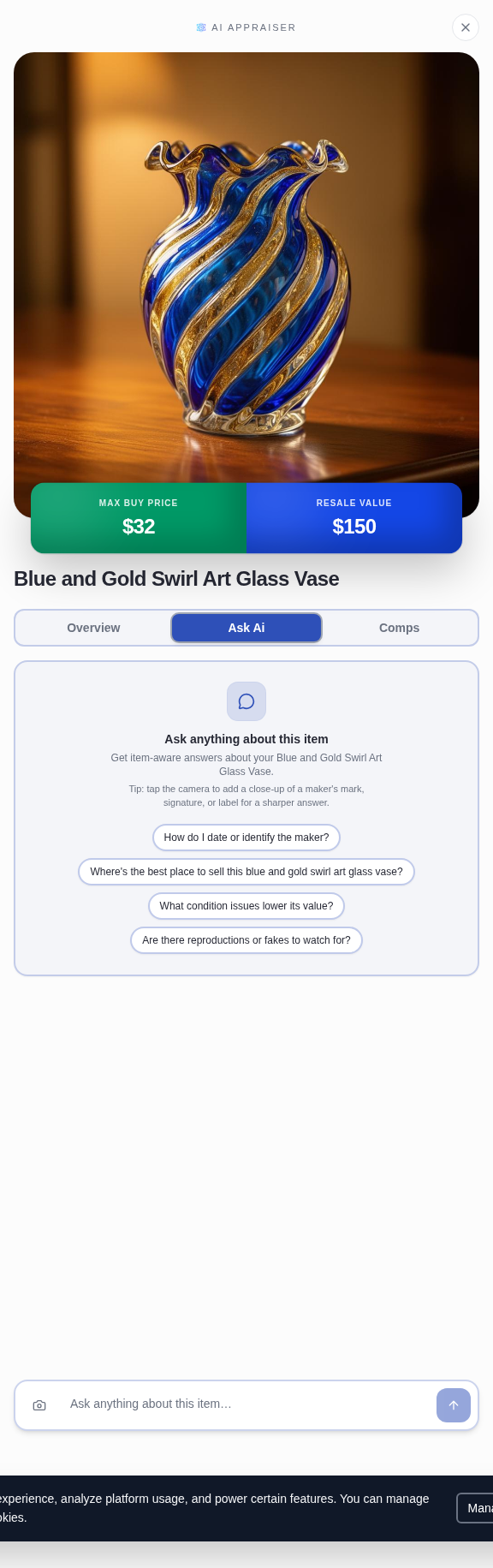
Our estate sale pricing guide goes deeper, and pricing antiques: what sellers need to know helps with the tricky pieces. For a quick starting point, the EstateSaleFinder Ai Appraiser gives a suggested identification and value range from a photo — a research shortcut, not a final price. You're still the professional making the call.
"My contracts feel shaky"
A clear contract protects you and the family — it should spell out your commission, what's included, what happens to unsold items, payment timing, and who handles what. Vague contracts lead to the hardest conversations in this business.

Jenna covered this in her Estate Sale Contracts workshop. Contract rules differ by state, so have a local attorney review your final version.
Marketing a sale without losing your whole weekend
Good estate sale marketing means great photos, a clear listing posted early, and getting it in front of the people who actually buy what's in that house. It doesn't have to mean posting in fifteen places at midnight.
- Photograph the best pieces first and lead your listing with them.
- List your estate sale company so buyers searching your area can find you.
- Read your numbers afterward — views, saves and what sold — so every sale teaches you something.
Two recorded IESP sessions go further: Estate Sale Marketing and Understanding Estate Sale Analytics, which looks at how views, offers, purchases and shopper activity tell the story of a sale. Our posts on how to advertise an estate sale and estate sale social media have more ideas.
Selling before opening day
Letting serious buyers make offers on tagged items before the sale opens means your best pieces can sell before the doors unlock — and you stay in control of every offer. You accept, counter or decline; nothing sells until you say so.
Jenna has been using EstateSaleFinder's preoffer system in her own sales and teaches what she's learned. Her next live session, The Benefits of Preoffers, is on Monday, October 26, 2026 at 6:00 PM CDT on Zoom, and it's free. For background, read why estate sale companies should accept early offers and our recap of the first preoffer workshop.
Ready to scale — or pivot?
Growing an estate sale company usually means hiring and training help, tightening your systems, and choosing which jobs to say yes to. Sometimes it means changing direction entirely.
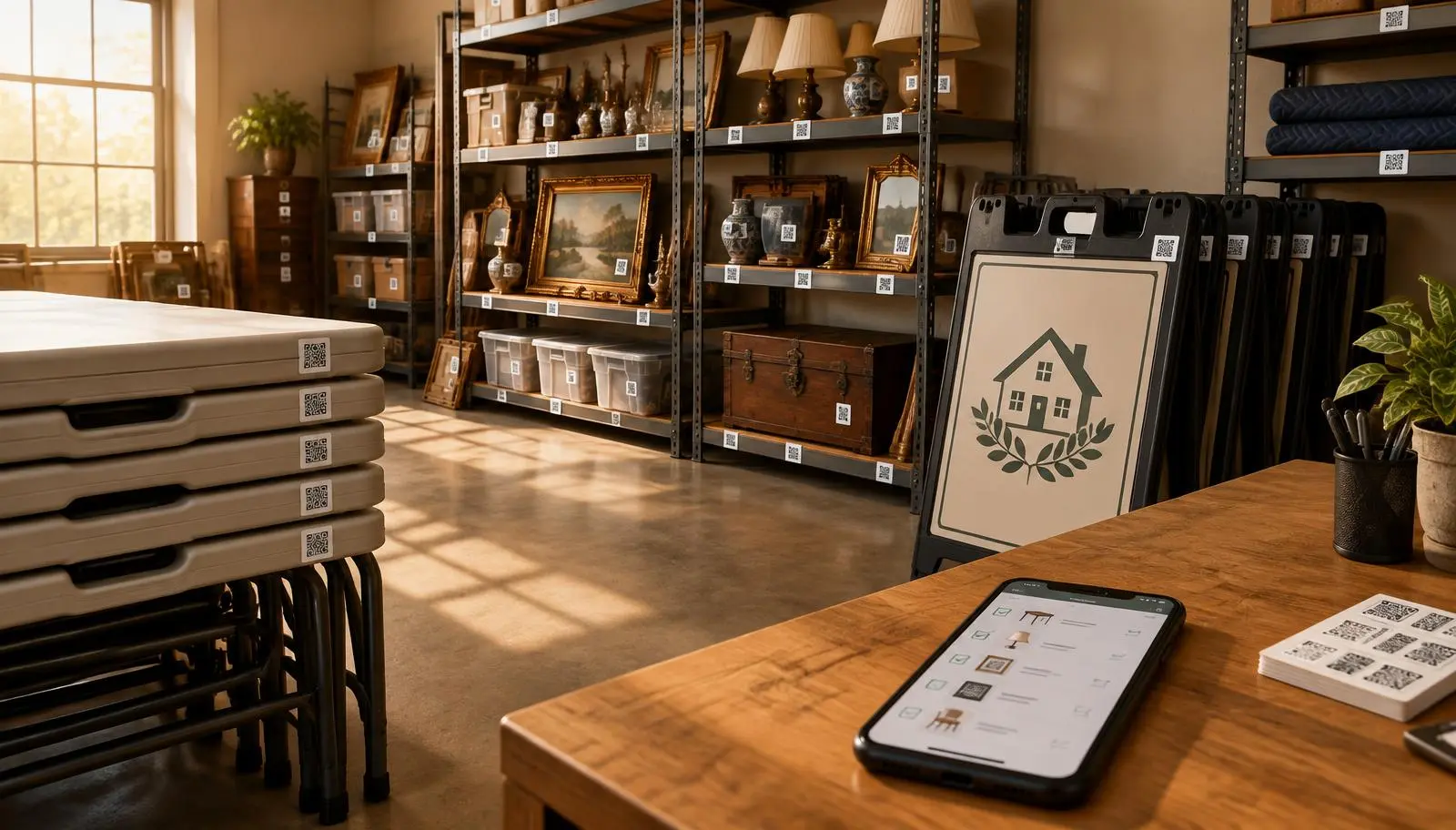
Tools can take a lot off your plate: printable item labels, a sale-day register, offer management and client tracking. The IESP Estate Sale Technology session looks at tools like these, and Pivoting Your Estate Sale Business is for anyone rethinking where their company is headed. There's also a monthly Young Entrepreneurs workshop for people just starting out. We wrote about burnout too: estate sale operator quality of life.
Frustration, quick fix, and where to learn more
| Frustration | A quick fix you can try this week | Where to learn more |
|---|---|---|
| "I don't know where to start" | Write a one-page plan and call your city about licenses | SBA business guide, Young Entrepreneurs workshop |
| "Pricing takes forever" | Price by category; research only the outliers | Pricing guide, Ai Appraiser |
| "My contract leaves gaps" | List what's included and what happens to leftovers | Estate Sale Contracts workshop |
| "Not enough buyers show up" | Lead your listing with your best photos, post early | Estate Sale Marketing workshop |
| "The 6 a.m. line is chaos" | Let buyers send offers before opening day | The Benefits of Preoffers |
| "I'm doing everything myself" | Pick one task to hand to a tool or a helper | Estate Sale Technology workshop |
Common questions
How do I start an estate sale business with no experience?
Start by helping at a few sales run by an established company, write a simple plan, sort out local licenses and insurance, and take training. Free live workshops like the IESP Monday sessions let you ask questions from operators who've done it.
Is an estate sale business profitable?
It can be, but results depend on your local market, how many sales you book, how well items sell, and how many hours each sale takes. Keeping costs and hours under control matters as much as your commission.
Do I need a license to run an estate sale company?
It depends on where you work. Many cities and states require a general business license and sales tax registration, and some have extra rules. Check with your city, county and state before your first sale.
When are the free estate sale workshops?
IESP mini workshops are held on Monday evenings at 6:00 PM Central with Jenna Pecor. Most are free, seats are limited, and registrants get the recording. See the current schedule.
Free live estate sale workshops — Monday nights
Small-group sessions with Jenna Pecor, 6:00 PM Central. Ask your questions live; registrants get the recording.
You don't have to figure this business out alone. Pick the frustration that's costing you the most right now, try one fix from this guide, and bring your question to a Monday night workshop. If you're an IESP student, you also get a 90-day free trial of EstateSaleFinder's seller tools — see our estate sale plans.
Keep exploring
Ready to start your own treasure hunt?
Discover estate sales near you and find incredible deals.
Explore Sales Near Me
About the author
Andy
Founder, EstateSaleFinder.net
Hi, I'm Andy — a retired commercial photographer turned developer with a five-year (and counting) obsession with estate sales. I started EstateSaleFinder.net because I knew there had to be an easier, smarter way to find and list estate sales. Now I get to chase treasure and build the tool I always wished existed.