What Not to Throw Away Before an Estate Sale: 30 Everyday Things That Actually Sell
Almost nobody knows this, and that's completely okay: the ordinary things in a house — dishes, sheets, tools, the junk drawer — are what most estate sales are built on. Here are 30 everyday items to keep until a company walks through, what they typically sell for, and what really is fine to throw away.
Quick answer
Don't throw away, donate or "tidy up" anything until an estate sale company has walked the house. Everyday dishes, glasses, pots and pans, linens, quilts, sewing supplies, hand and power tools, the jars of screws, costume jewelry, watches, books, records, toys, holiday decorations and the contents of the "junk" drawers all sell. Only remove personal papers, medications, hazardous chemicals, spoiled food and the things your family is keeping.
If you're about to clean out a parent's house, a family home, or your own place before downsizing, take a breath first. You don't need to sort anything yet.
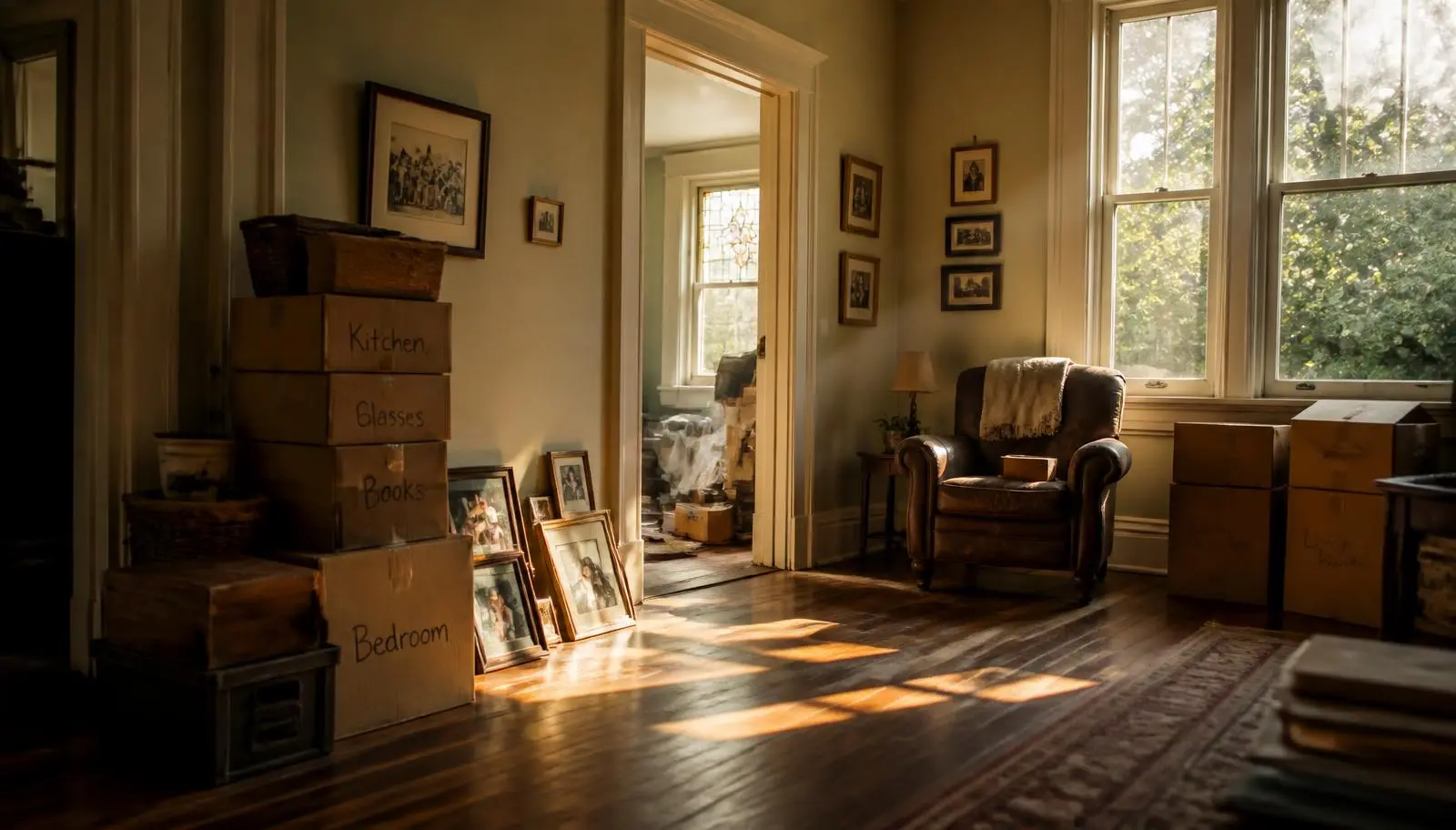
Here's something almost nobody is told: the ordinary things in a home are what most estate sales are built on. Not the rare antique or the hidden painting. The dishes, the sheets, the wrenches and the jar of buttons.
It makes complete sense that families throw these things out. They look worn, they look common, and it feels like the kind thing to do for the company coming in. But estate sale companies hear the same story every week: by the time they arrive, a truckload of sellable items has already gone to the curb. This guide is here so that doesn't happen to you.
Why estate sale companies ask you not to clean first
Most companies give every family the same advice, and it's worth hearing in their own words. Estate Sales of South Florida tells clients: "Do not throw anything away! We can help you identify what is sellable and what is not." Florida SourceBook's estate sale guide puts it just as simply: "Don't worry about 'tidying the place up'. That is just part of what an estate sale company does."
The reason isn't that your home is secretly full of treasure. It's that small, ordinary sales add up.
- In a study of 24,436 cataloged estate auction lots, Gavelist found that "general household" — kitchenware, linens, décor and miscellany — made up about a third of everything (32.4%). Antiques and furniture were just 6.7%.
- The same study found the median lot sold for $6, and 96% of lots sold at no-reserve sales. In other words, nearly everything finds a buyer, a few dollars at a time.
A few dollars each doesn't sound like much. But a house holds thousands of these things, and together they often make the difference between a sale a company can take on and one it has to turn down.
The kindest thing you can do for the estate sale company — and for your family — is to leave things where they are.
30 everyday things to keep until the estate sale company sees them
The price ranges below are typical first-day estate sale prices from EstateSaleConnect's pricing guide. Real prices depend on condition, maker and what buyers in your area want, so treat every number as a rough guide, not a promise.
In the kitchen
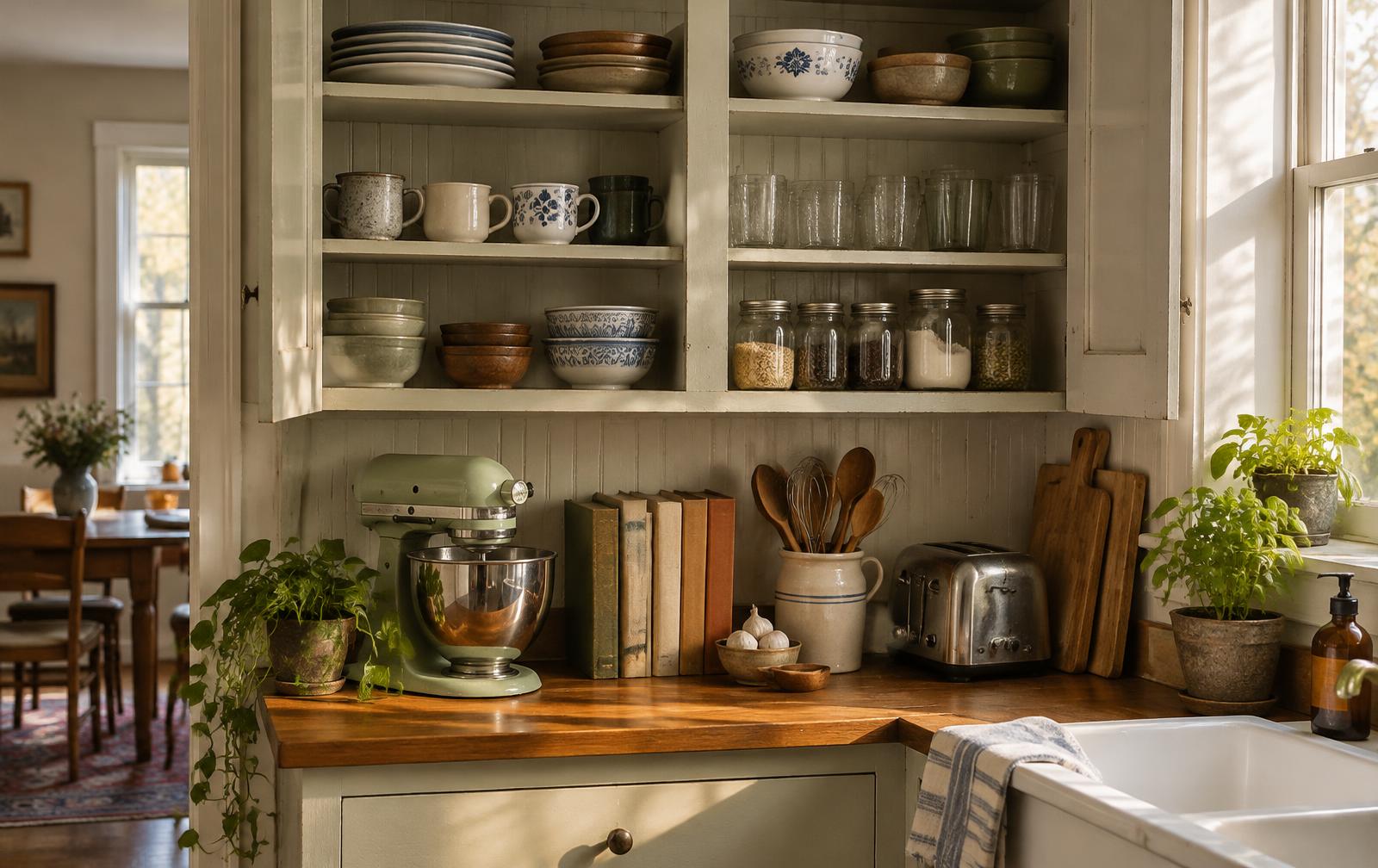
1. Everyday dishes and mugs. The plain plates you've eaten off for years sell for about $0.50–$3 each, or $10–$40 as a boxed set. Someone furnishing a first apartment wants exactly these.
2. Drinking glasses. Usually $0.50–$2 each, more for vintage patterns and barware. Leave the whole cupboard.
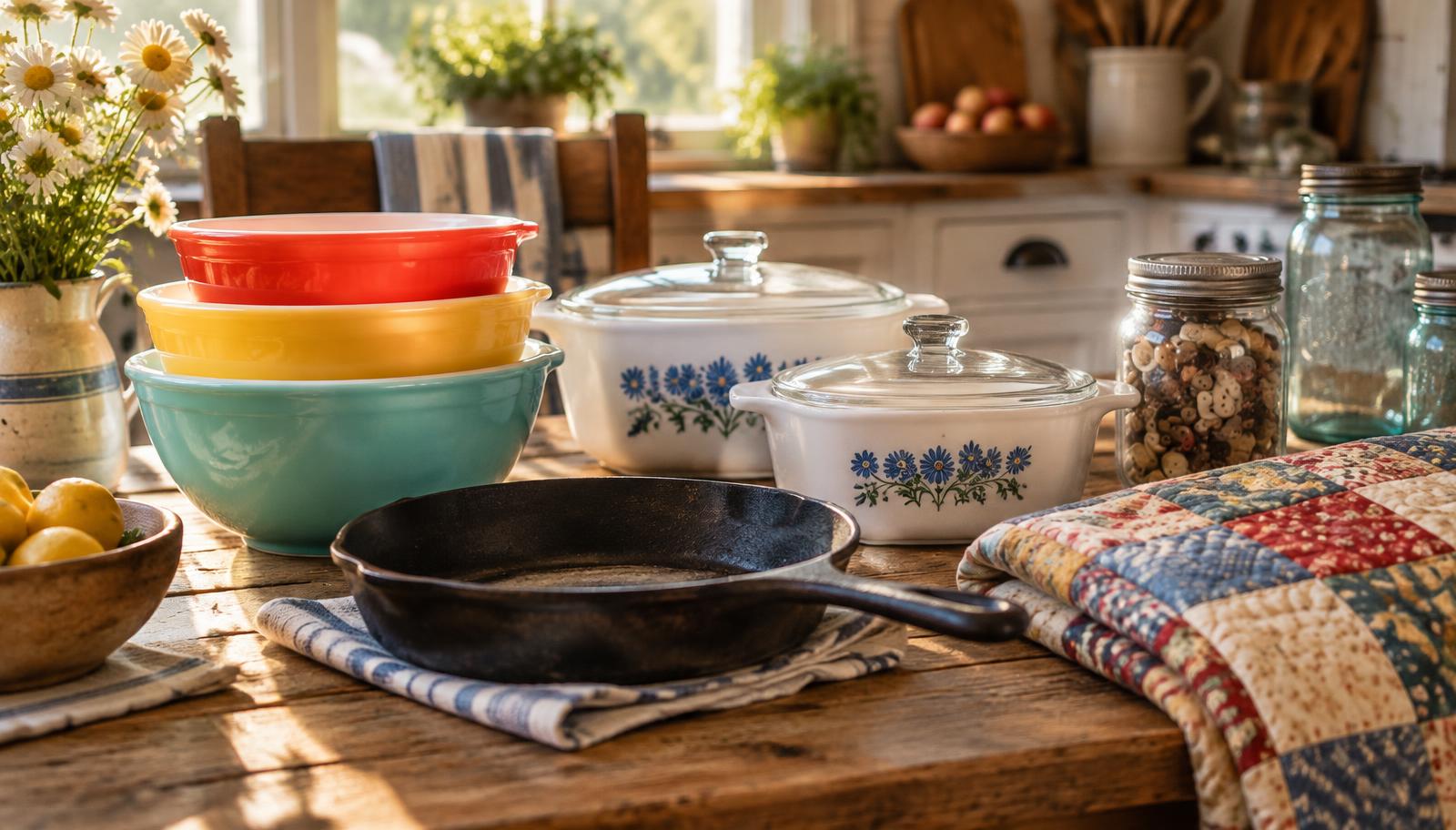
3. Colorful vintage mixing bowls and bakeware. Old colored glass bowls and bakeware run about $5–$50 a piece, and some patterns go far higher. Family Nest Estate Solutions says these are "magnets for collectors," naming Pyrex nesting bowls, Fire-King and Anchor Hocking.
4. Those white casserole dishes with little blue flowers. That's CorningWare's Cornflower pattern, and nearly every grandmother had it. Family Nest's verdict: "those blue cornflower patterns are gold." Don't let it go to donation.
5. Cast iron skillets. Even rusty ones. Typically $10–$60, and more when there's an old maker's mark on the bottom and a smooth cooking surface.
6. Ordinary pots and pans. About $3–$15 each. Heavy stainless or copper goes toward the top.
7. Small appliances that still work. Toasters, blenders and hand mixers bring about $5–$30 if they're clean and working; stand mixers sell for well above that.
8. Utensils, knives and cutting boards. About $1–$25. The crock of wooden spoons is a sale item, not clutter.
9. Canning jars. Buyers use mason jars for canning, crafts and storage. Keep them all, empty or not — the company will sort them.
10. Cookbooks and everyday books. Most books sell for $0.50–$4 each or by the bag, but they sell. Don't haul the shelves to the dumpster.
In the linen closet and bedrooms
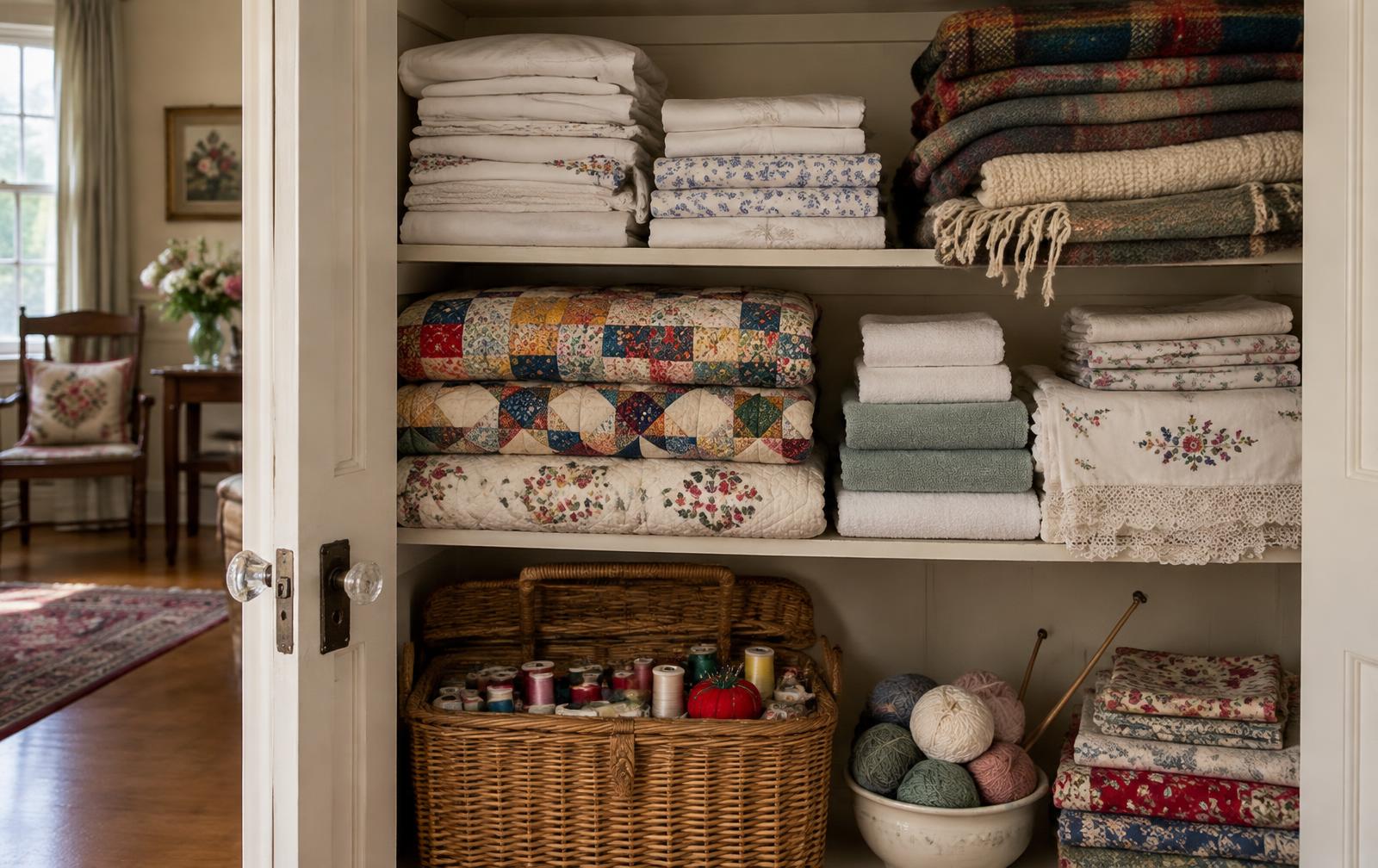
11. Sheets and pillowcases. About $2–$10 a set when they're clean and complete.
12. Towels. About $1–$5 each. Thick, unfaded towels sell best.
13. Blankets and comforters. About $5–$30, and wool blankets bring more.
14. Handmade quilts. Even well-loved ones. Typically $25–$200, and some go well beyond that. Family Nest lists handmade quilts among the décor that "sells surprisingly fast."
15. Tablecloths, napkins and embroidered linens. About $2–$25. Hand embroidery and complete sets do best.
16. Sewing fabric, yarn and notions. About $1–$10 per piece or bag. Quilters and knitters look for these at every sale, so leave the sewing basket and the button jar.
17. Coats, leather jackets and good shoes. About $10–$60. Everyday clothing sells more slowly (around $1–$10 a piece), but let the company look before anything gets bagged up. Vintage clothing and handbags are a separate market and can bring $10–$100 and up.
In the garage, basement and yard
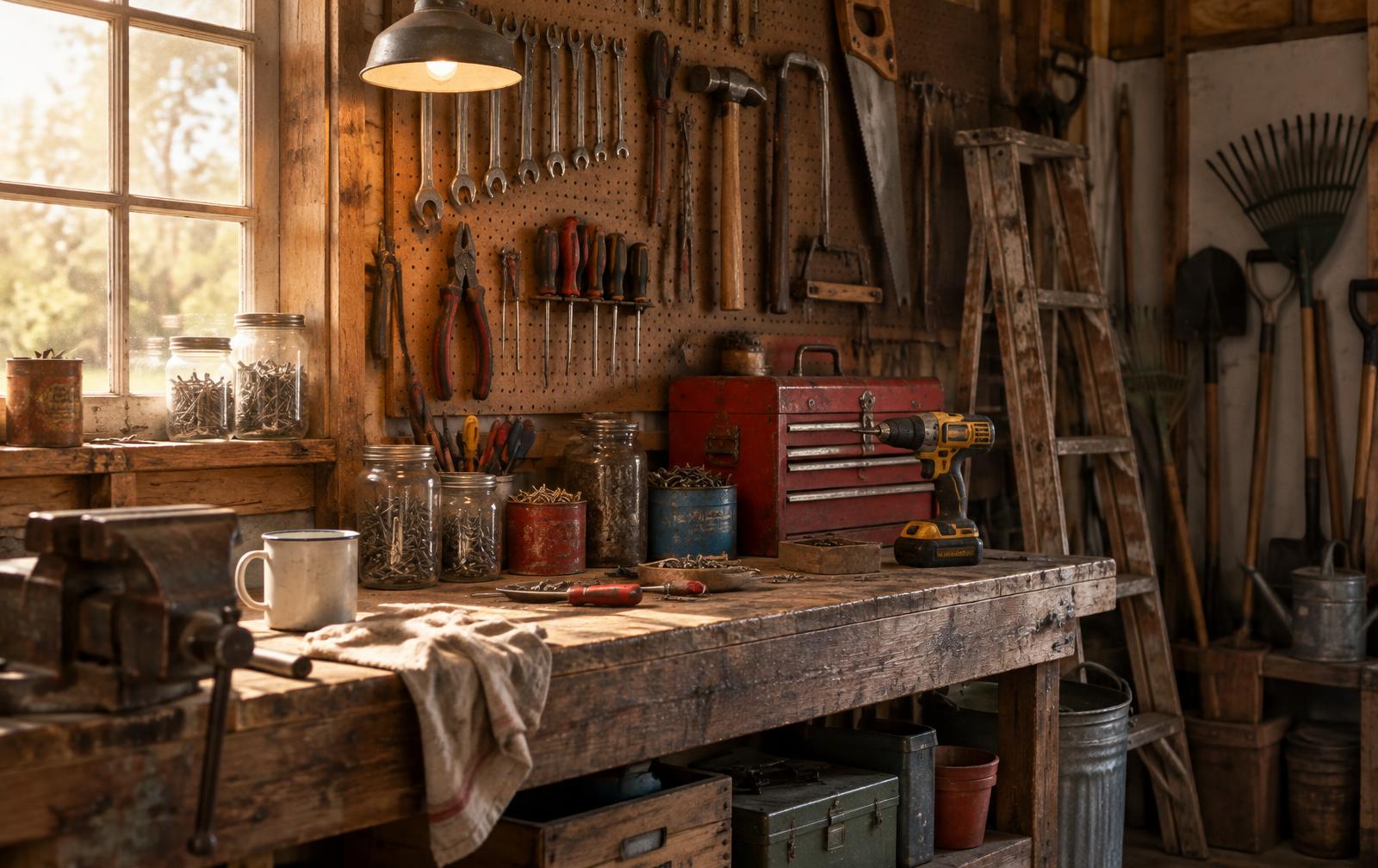
18. Hand tools. Hammers, wrenches and screwdrivers bring about $1–$10 each. Older American-made tools and full sets go higher. EstateSaleConnect calls the garage "frequently the most profitable room in the house per hour of pricing."
19. Power tools. Drills, saws and sanders bring about $15–$80 when they work and have their battery and charger. Family Nest says power tools are "practically guaranteed to go early."
20. A toolbox with everything still in it. About $40–$300. EstateSaleConnect notes a full toolbox often sells better full than emptied, so resist the urge to sort it.
21. Jars and coffee cans of nails, screws and bolts. About $1–$5 a container, sold by the jar and never counted. That rusty can of hardware really is inventory.
22. Lawn mowers, ladders and garden tools. Mowers that start bring about $40–$200, ladders about $15–$80, and garden tools about $2–$15 each.
23. Grills and patio furniture. Grills bring about $25–$150, and patio sets about $40–$250 when they're rust-free with their cushions.
In the drawers and closets
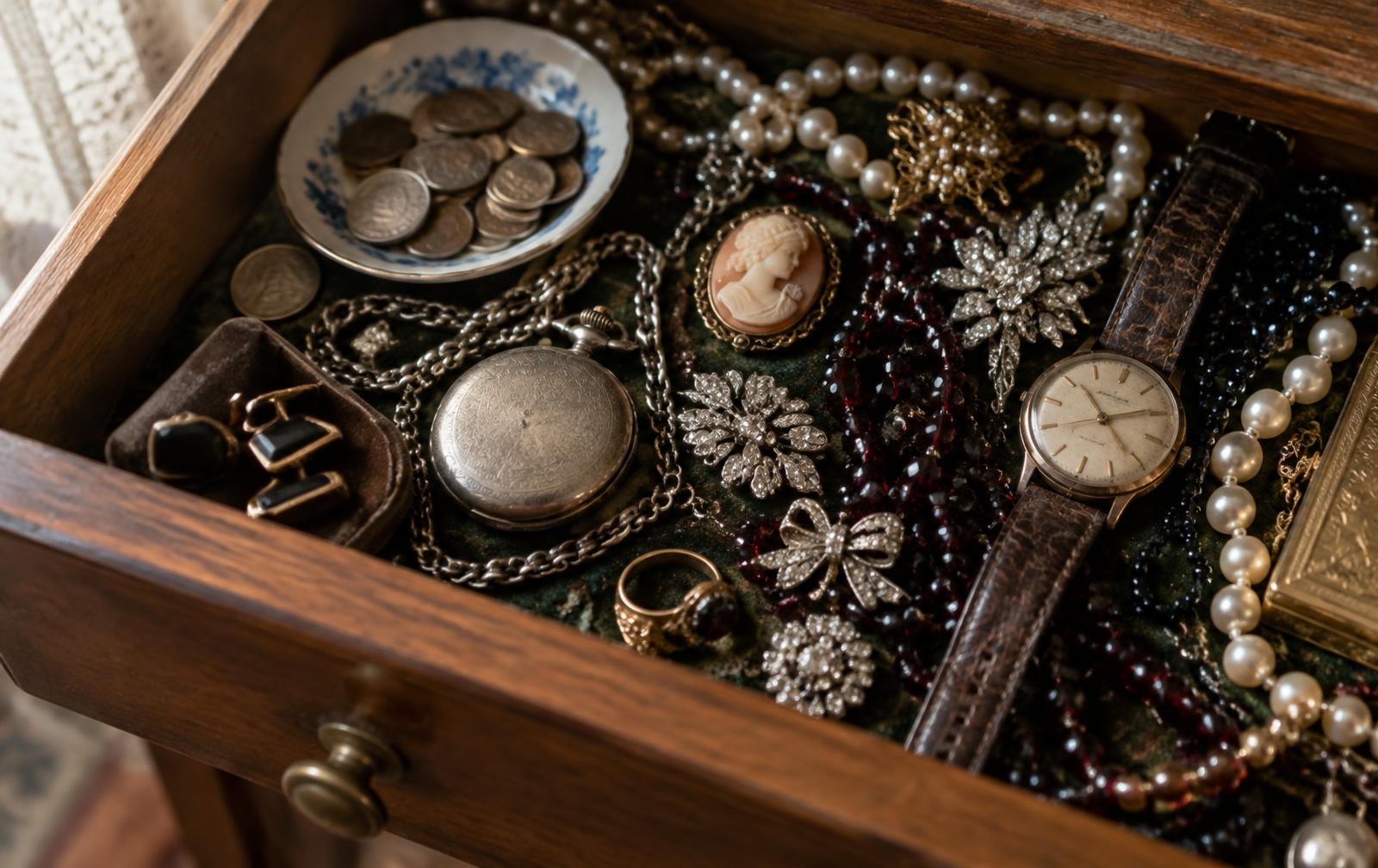
24. Costume jewelry. Family Nest says it plainly: "Even costume jewelry sells quickly." Brooches, pins, cameos and mid-century pieces are fast sellers, and a tangled drawer can hide real gold or sterling silver. See our guide to finding gold and silver in costume jewelry.
25. Old watches and pocket watches. Pocket watches and vintage men's watches are on Family Nest's fast-seller list, even ones that no longer run.
26. Coins and the "change jar." Older U.S. coins can contain real silver. Chad Busby of Busby Estate Liquidation in Central Florida says he has seen "'junk' coin jars holding $3,000 in silver." Don't cash it in at a coin machine first.
In the attic, spare room and storage boxes
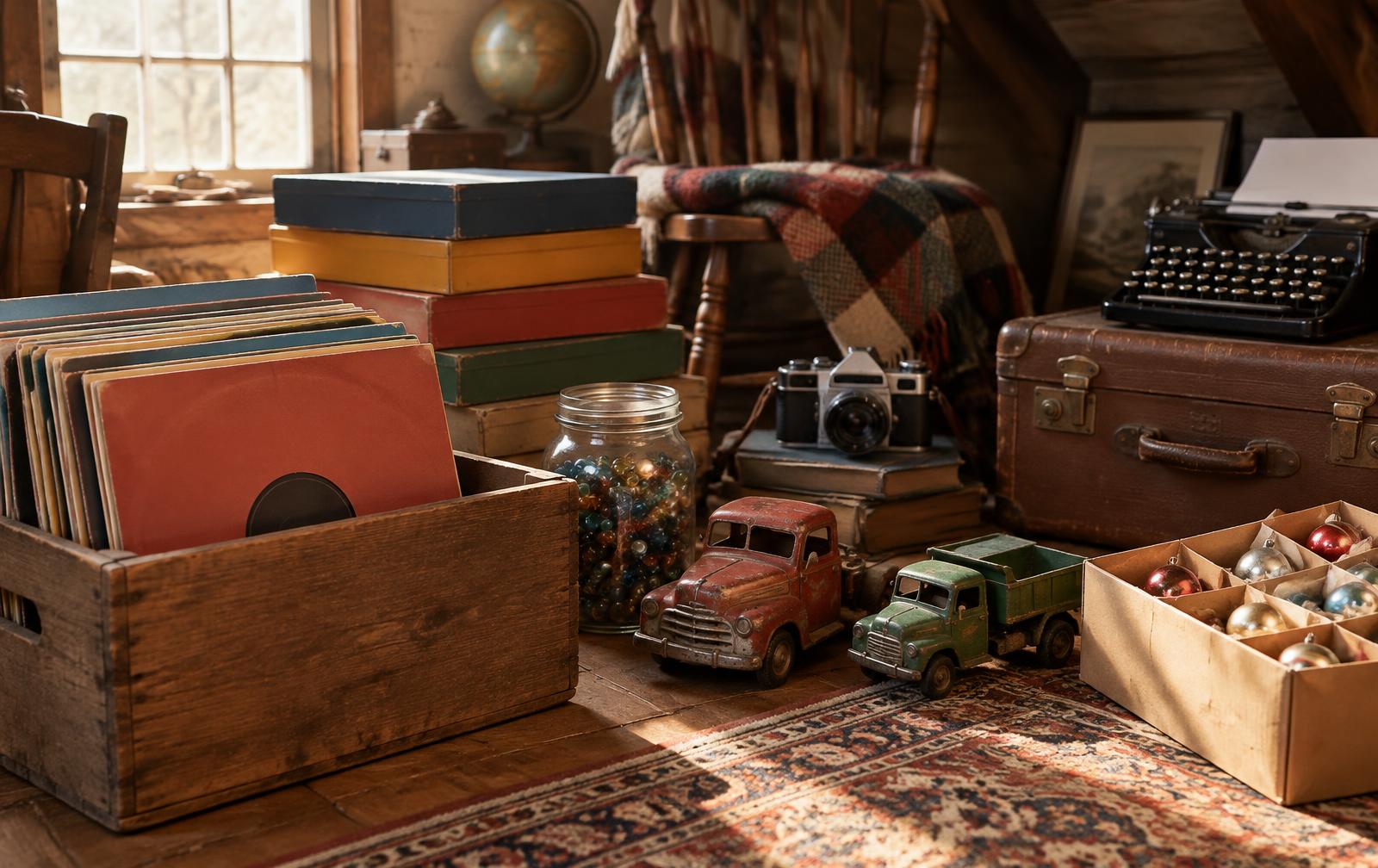
27. Vinyl records. Common records sell for about $1–$8 each, and some go far higher depending on genre and pressing. Leave the whole stack for the company to sort.
28. Old toys and games. In the Gavelist study, toys and collectibles were the second-largest category, at 22.6% of all lots, outnumbering antiques and furniture more than three to one. Board games, marbles, metal trucks and action figures all have buyers. Read more in our guide to vintage toys worth money.
29. Holiday decorations. About $1–$20 per item or box, and vintage glass ornaments and ceramic trees bring well above that. The dusty boxes in the attic are worth keeping.
30. Frames, lamps, mirrors, cameras and the "odd stuff." Framed prints bring about $5–$40 ("the frame is often worth more than the print," says EstateSaleConnect). Lamps bring about $10–$60, mirrors $15–$100, and cameras and lenses $10–$200 and up, since film cameras have a collector market. Old typewriters, suitcases and baskets belong in this group too. If you can't tell what something is, that's a good reason to keep it.
What is okay to throw away (or remove) before the sale
You don't have to keep everything. These are fine to deal with yourself — in fact, the company will thank you:
- Spoiled or opened food, and alcohol. These can't be sold at an estate sale.
- Prescription medications. Take them to a pharmacy take-back program.
- Hazardous materials. Old paint, pesticides, pool chemicals and gasoline go to your county's household hazardous waste drop-off.
- Real trash. Broken, moldy, stained or torn items, and anything with a strong odor.
- Things your family is keeping. Take them out of the house completely. Notes like "don't sell" get lost.
When you're unsure about anything else, leave it. A company can toss something in a minute, but nobody can sell what's already gone.
Personal papers and keepsakes to keep safe
These are the things families most often regret losing, so set them aside before the company arrives:
- Wills, deeds, car titles, insurance policies and tax records
- Bank and investment statements, checkbooks, and anything with account numbers
- Birth certificates, passports and Social Security cards
- Family photos, letters, recipe cards and home movies
- Old laptops and phones — don't sell these until the personal information has been removed
A 10-minute walk-through before you call the company
You don't need to sort the house. Just walk it once with this list:
- Kitchen: Leave every cabinet as it is. Flip over a few bowls and dishes to see if there's a name on the bottom, and snap a photo.
- Linens: Leave the closets alone. Put the quilts on a bed where they can be seen.
- Garage: Don't empty the toolbox or the coffee cans.
- Drawers: Don't sort the jewelry drawer. Just keep it in one place.
- Closets and attic: Leave the boxes closed and where they are.
- Papers: Gather personal documents and keepsakes into one safe box that leaves with you.
Then call two or three companies and let them walk the house exactly as it is. Our guide on how to prepare your home for an estate sale company walks through the visit step by step.
Not sure about something? Take a picture first
If an item makes you wonder, snap a photo before it goes anywhere. Our free Ai Appraiser can identify many household items from a photo and give you a suggested price range in seconds. Ai suggestions can be wrong, so treat them as a starting point and let your estate sale company make the final call.
Ready to find a company?
When you're ready, find an estate sale company near you. Compare a few local companies and pick the right fit for your family. Curious what tends to sell fastest? Read what sells best at estate sales, or if you're handling a loved one's home, our guide to cleaning out a parent's house after a death.
For estate sale companies: share this with your clients
Estate sale companies, feel free to share this guide with families before your walk-through. Here's a ready-to-post caption:
Before you clean anything out — please wait! The everyday things in a house (dishes, linens, tools, the junk drawer) are what most estate sales are built on. Here's a friendly list of 30 things to keep until we see them: estatesalefinder.net/blog/what-not-to-throw-away-before-estate-sale
Estate sale companies can also list their sales free on EstateSaleFinder to reach local shoppers.
Questions & answers
Frequently asked questions
Should you clean before an estate sale?
No. Most estate sale companies ask families not to clean, sort or throw anything away before they walk through. Cleaning out "junk" is the most common way sellable items get lost. The company sorts, stages and cleans as part of setting up the sale. It's fine to take out real trash, spoiled food and hazardous chemicals.
What should you not throw away before an estate sale?
Keep everyday dishes and glasses, pots, pans and cast iron, small appliances, linens and quilts, sewing supplies, clothing and coats, tools and hardware, costume jewelry, watches and coins, books, records, toys, holiday decorations, frames, lamps and anything you aren't sure about. These categories sell at nearly every estate sale.
Should I donate things before the estate sale?
Wait until after the company has walked the house. Many donated items, like kitchenware, linens and clothing, would have sold. Most companies will help arrange donation or a clean-out for whatever is left after the sale.
What can I throw away before an estate sale?
Spoiled or opened food, alcohol, prescription medications, hazardous chemicals like old paint and gasoline, and items that are truly broken, moldy, stained or torn. Remove personal papers and anything your family is keeping.
Do old clothes sell at estate sales?
Yes, though everyday clothing is slower, at around $1–$10 a piece. Coats, leather jackets and good shoes bring more ($10–$60), and vintage clothing and handbags can bring $10–$100 and up.
Does junk really sell at estate sales?
Much of what people call junk does. In a Gavelist study of 24,436 estate auction lots, about a third were general household items, the median lot sold for $6, and 96% of lots sold. Small items add up across a whole house.
What happens to the items that don't sell?
That depends on your contract. Many companies offer a buy-out, donation pickup or clean-out service afterward. Ask about this during the walk-through, and get it in writing.
How do I know if something is valuable?
Look for a maker's name, mark or signature, and take a photo. You can check it with a free Ai Appraiser, but the best answer comes from an experienced estate sale company who sees it in person.
When should I call an estate sale company?
Before you start clearing anything. A walk-through is usually free, and the company can tell you right away what will sell and what won't.
Is it rude if I've already thrown some things away?
Not at all. Almost every family does, because nobody tells them otherwise. Just stop where you are, leave the rest, and let the company take it from here.
Keep exploring
Ready to start your own treasure hunt?
Discover estate sales near you and find incredible deals.
Explore Sales Near Me
About the author
Andy
Founder, EstateSaleFinder.net
Hi, I'm Andy — a retired commercial photographer turned developer with a five-year (and counting) obsession with estate sales. I started EstateSaleFinder.net because I knew there had to be an easier, smarter way to find and list estate sales. Now I get to chase treasure and build the tool I always wished existed.