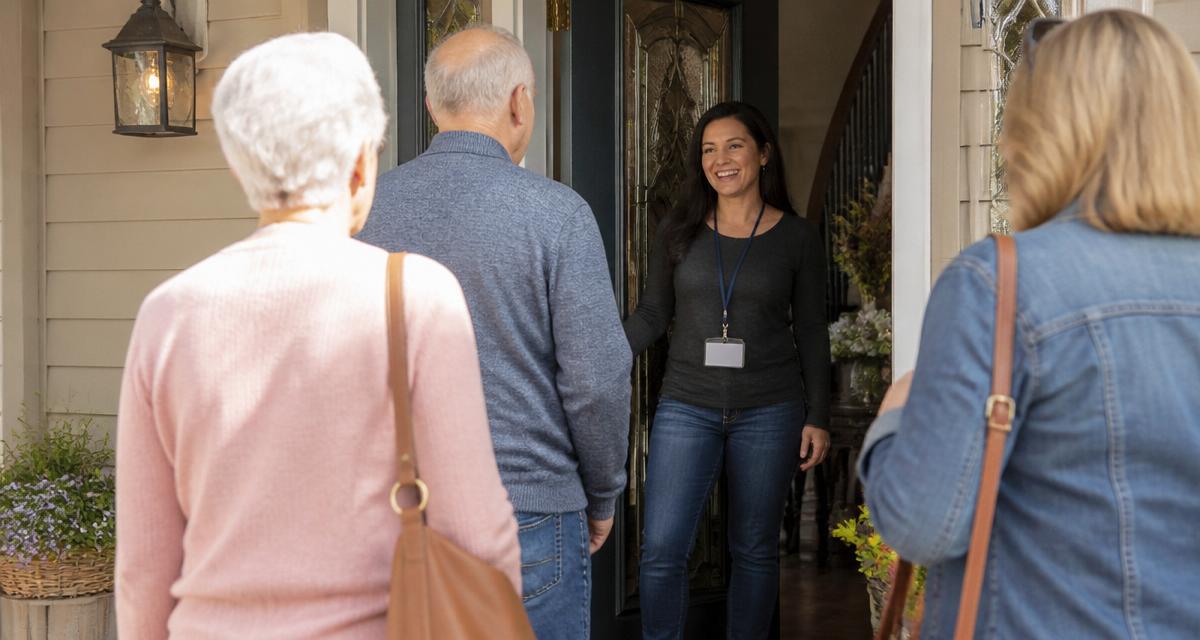

How to Have an Estate Sale on Your Own: The Honest DIY Guide (2026)
Yes — you can absolutely run an estate sale yourself, and plenty of families do. But there's a real difference between doing it and doing it well. This friendly, honest guide walks you through the whole process step by step: pricing, staging, advertising, sale day, sales tax, and leftovers — plus the exact moments when hiring a professional actually saves you money. By the end you'll know which path is right for you.
Yes — you can run an estate sale yourself. Thousands of families do it every year, and if you have the time, the help, and a bit of patience, a well-run do-it-yourself sale can put real money back in your pocket instead of handing 35–50% of it to a company. But here's the honest part most guides skip: running an estate sale and running one well are two very different things. This guide walks you through exactly what's involved, so you can decide with clear eyes whether to roll up your sleeves or call in a pro.
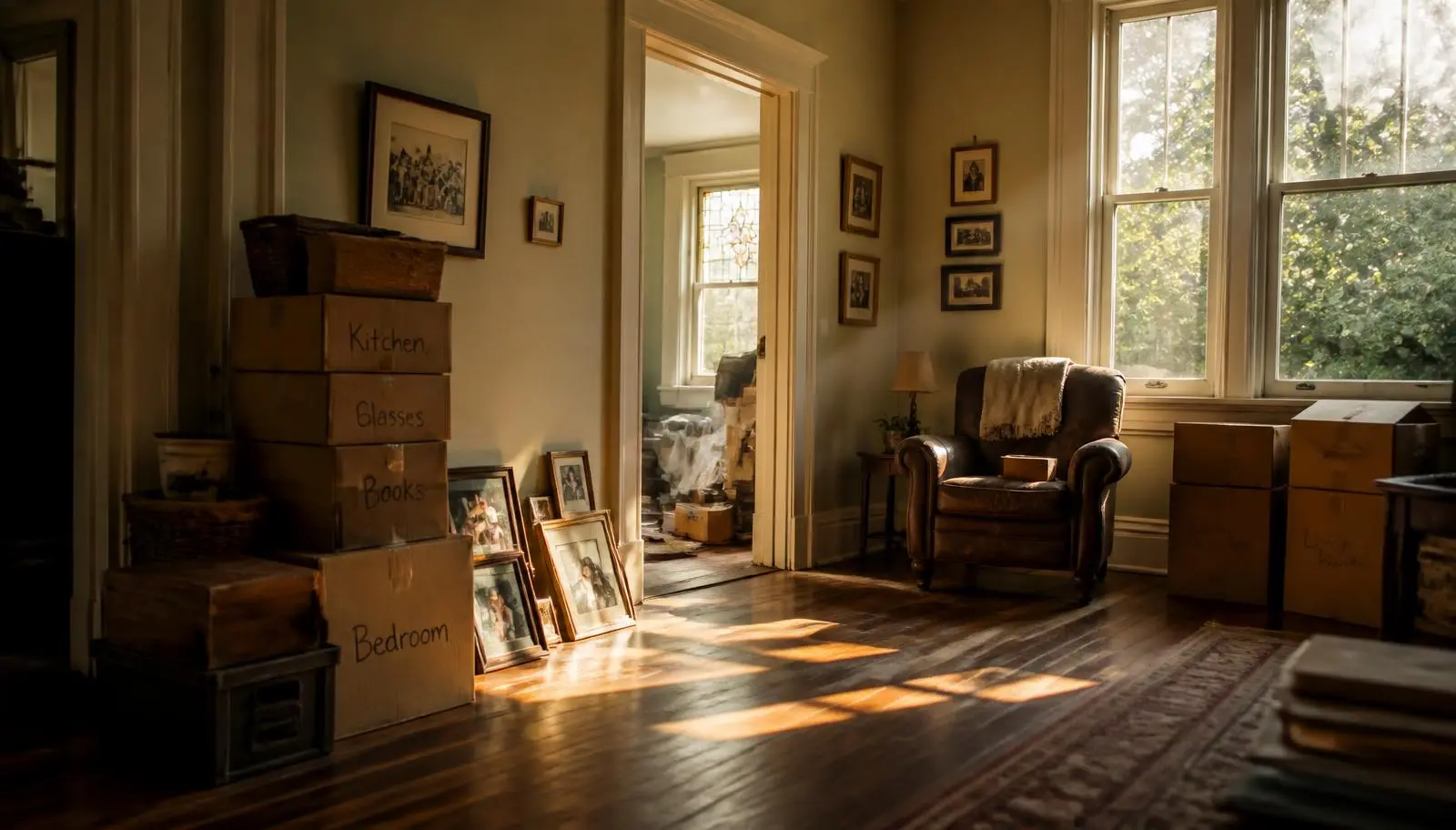
The moment almost every family reaches: a whole house of belongings, and a big decision about what to do with them.
The Short Answer
You can absolutely do this yourself. There's no license required to sell your own household goods, and the whole thing comes down to five plain steps: inventory it, price it, stage it, advertise it, and run it (then deal with what's left). None of those steps is rocket science.
What they are is time-consuming. A typical DIY estate sale takes three to five weeks of prep and then a one-to-three-day sale. If you can spare that time and recruit a couple of helpers, keep reading — the rest of this guide is your playbook.
Want to see how the pros stage and price?
Browse real estate sales happening near you and study how experienced companies lay out a home.
Step 1: Inventory — Decide What's Selling (and What Isn't)
Before a single price tag goes on, sort the house into three piles:
- Keep. Family keepsakes, heirlooms, anything with sentimental value. Physically remove these from the sale area first. Shoppers assume everything they can see is for sale — you don't want a heartbreak over Grandma's ring because it was sitting on a dresser.
- Sell. Furniture, kitchenware, tools, decor, linens, books, clothing, collectibles — the bulk of the house.
- Toss or donate. Broken, stained, or genuinely worthless items. Clearing these out before the sale makes the good stuff shine instead of getting lost in clutter.
Write it down. A simple inventory list — even a phone note or spreadsheet — keeps you from forgetting what you priced and protects you if a shopper "loses" a price tag and tries to name their own number.
One big tip
if you suspect a few items are genuinely valuable — old jewelry, artwork, antiques, coins, collectibles — get them checked before the sale. A reputable appraiser charges a flat hourly rate, not a percentage of the value (if someone quotes a percentage, walk away). You can also snap a photo and run it through the free Ai Appraiser right here on EstateSaleFinder for a fast ballpark before you decide what deserves a professional look.
Step 2: Pricing — The Part Everyone Gets Wrong
Here's the single most important mindset for DIY pricing: you are pricing to clear a house in a weekend, not to run an antique shop.
The most common family mistake is pricing based on what something was worth or what it means to you. That dining set your parents paid $2,000 for thirty years ago is not a $2,000 item at an estate sale. Buyers come for bargains, and volume beats holding out for one big score.
A practical rule of thumb the pros use: price most items at 20–50% of what they'd sell for online. For the few pieces that might be genuinely valuable, do quick research on recent sold (not "asking") prices on eBay, Facebook Marketplace, or with an appraisal app.
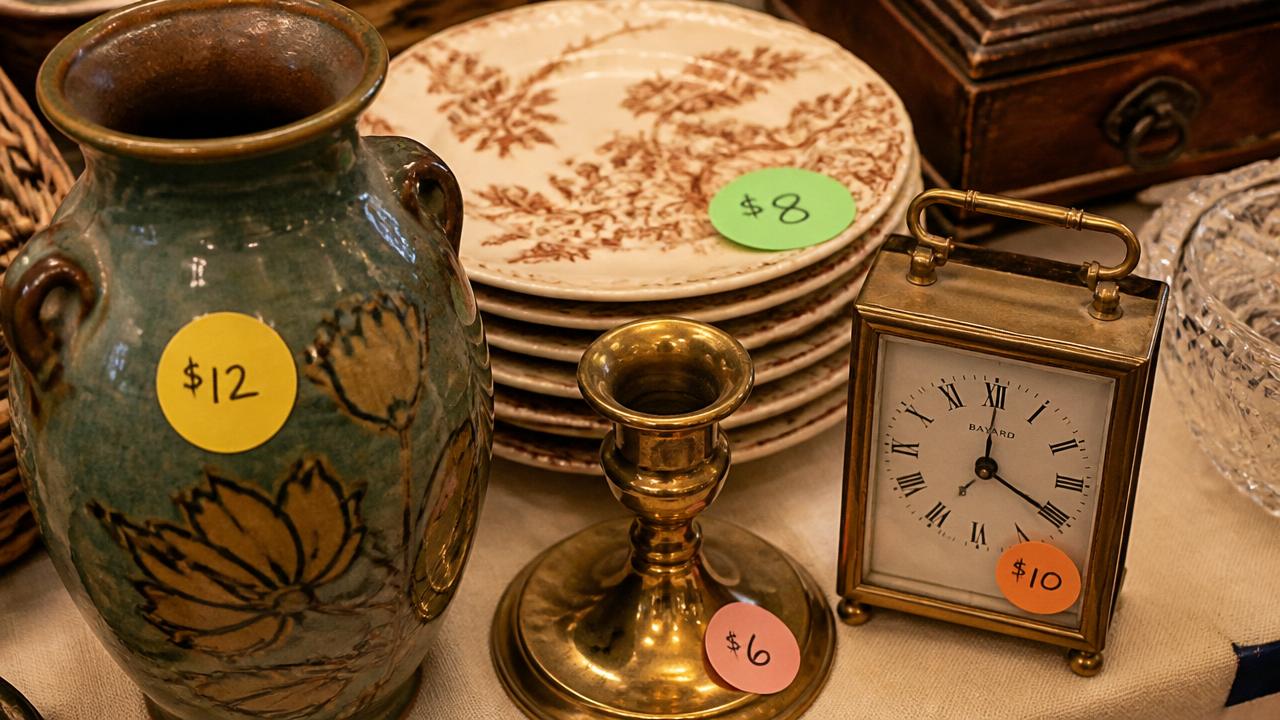
Clear, consistent price tags make your sale look professional — and stop haggling before it starts.
A few pricing habits that make a real difference:
- Tag everything clearly. Use plain stickers or tags with prices written in the same handwriting. A tidy, consistent look signals "this is a real sale," not a free-for-all.
- Build in room to discount. Price for Day 1, then plan to drop prices — a classic pattern is 25% off midway through the sale and another cut near the end. Bargain hunters love it, and it clears inventory fast.
- Group cheap small stuff. Boxes of "$1 each" or "fill a bag for $5" move fast and save you from tagging every fork.
Step 3: Staging — Make the House Feel Like a Store
Presentation genuinely changes how much money you make. The goal is to help shoppers picture items in their homes.
- Put things in their natural habitat. Dishes in the kitchen, books on shelves, clothes hung in closets, tools in the garage.
- Clean it up. A quick wipe-down turns a "no thanks" into a "sure, I'll take it." Fix the wobbly table leg; polish the tarnished mirror.
- Group like with like. All the glassware together, all the linens folded and stacked. It reads as curated, not chaotic.
- Protect the valuables. Keep jewelry, coins, and small collectibles near your checkout table where you can see them.

Grouping items by category and cleaning them up makes a home-run sale feel more like a boutique than a garage sale.
Step 4: Advertising — No Crowd, No Sale
This is where a lot of DIY sales quietly fail. You can price and stage perfectly, but if nobody shows up, none of it matters. Start promoting at least one to two weeks ahead.
- List it online where buyers actually look. Estate sale listing sites and marketplaces are where serious shoppers hunt. Post a clear title, dates, times, and well-lit photos of your best items — the photos are what pull a crowd.
- Use social media and local groups. Neighborhood Facebook groups and community pages are free and effective.
- Put out signs. Clear directional signs at nearby intersections on sale day still work.
- Lead with your stars. Feature the eye-catching pieces (mid-century furniture, tools, jewelry, collectibles) in your listing — those are what make someone set an alarm.
A note on reaching buyers
EstateSaleFinder is built to put your sale in front of the treasure hunters already searching "estate sales near me" in your area — and buyers can even set wishlist alerts for the exact items you're selling. If you'd rather not build a following from scratch, listing where the shoppers already are does a lot of the heavy lifting. See how it works →
Step 5: Sale Day — Running It Smoothly
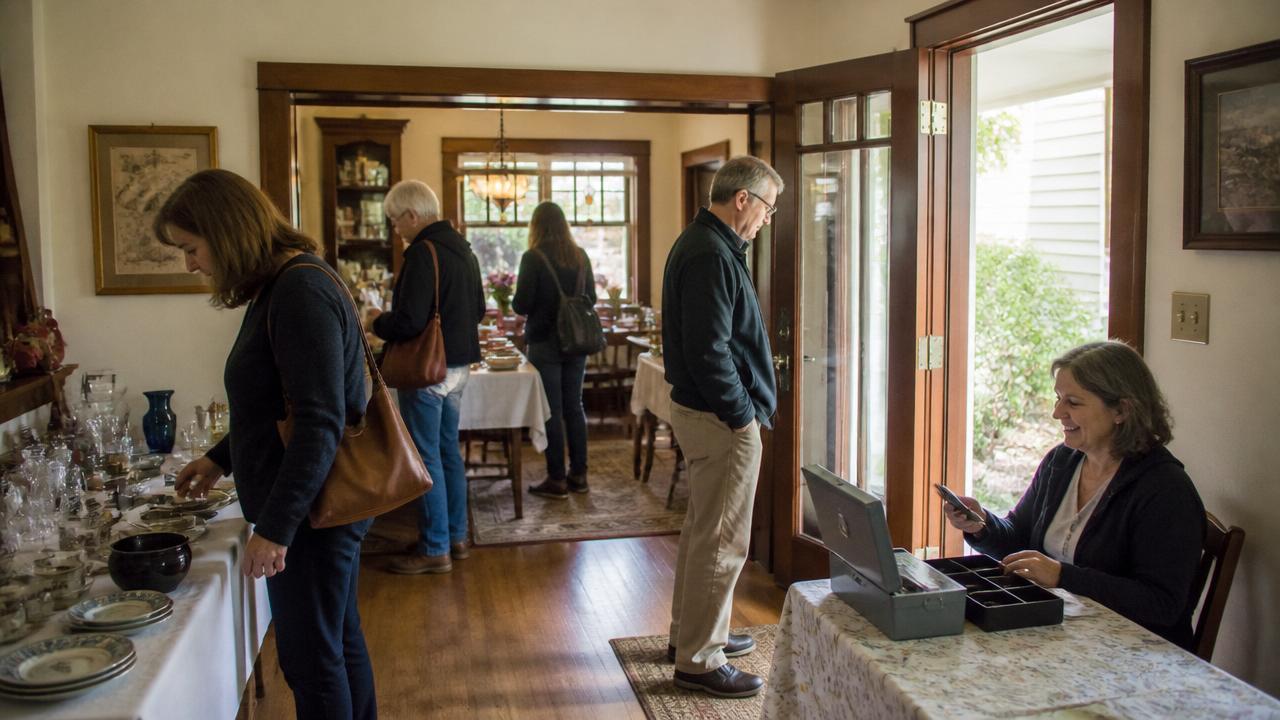
On sale day, a staffed checkout and a couple of helpers watching the floor make everything run smoothly.
- Recruit help. You'll want at least two or three people: one on checkout, others watching the floor and answering questions. This is the single biggest reason to bribe a few friends with lunch.
- Set up checkout by the door. A small table with a cash box, plenty of small bills for change, and a phone card reader (Square or similar) — many buyers no longer carry cash.
- Post the rules. A simple sign: all sales final, watch your children, be respectful of the neighbors. It sets the tone.
- Guard the exits. In a big house with multiple doors, have a helper keep an eye out. Theft is the most common DIY headache.
- Stay flexible on price late in the sale. By the final hours, moving an item beats hauling it away.
Don't Forget: Sales Tax, Permits & the Neighbors
This is the boring part that trips people up, so let's be clear and honest:
- Sales tax: Rules vary by state, but in many states you may be legally responsible for collecting and remitting sales tax on estate sale proceeds — especially if sales are frequent or run by a business. A true one-time sale of a deceased relative's personal property is treated differently in some states. Check your state's Department of Revenue for the specifics; when in doubt, a quick call clears it up.
- Permits & HOA rules: Some cities and homeowners' associations require a permit for on-property sales or limit how many you can hold per year, signage, and parking. A two-minute check with your city or HOA saves a fine.
- Parking & courtesy: Give neighbors a heads-up. A crowded sale can clog a quiet street fast.
Step 6: The Leftovers Plan
Whatever doesn't sell is still your problem — plan for it before sale day:
- Donate to a charity and keep the receipt for a possible tax deduction.
- Haul or dump: Full-service junk removal typically runs $100–$800 (about $250 average), or you can rent a dumpster.
- Consign or relist: Genuinely valuable unsold pieces can go to consignment or online marketplaces afterward.
So… DIY or Hire a Pro? The Honest Math
Here's the trade-off in plain numbers. A professional estate sale company handles everything — pricing, staging, staffing, advertising, checkout, and often cleanup — in exchange for a commission of roughly 35–50% of gross sales (some go a bit lower for high-value estates).
Doing it yourself makes sense when:
- You have 3–5 weeks of time and a few helpers.
- The estate is mostly everyday household goods (not a house full of rare antiques).
- You want to keep the full proceeds and don't mind the work.
- You find some closure in handling it personally.
Hiring a pro usually wins when:
- You're short on time, out of state, or emotionally drained.
- The home has genuinely valuable or specialized items (fine art, antiques, jewelry, collectibles) where an expert's pricing and buyer network can earn more even after commission.
- You want the house cleaned out and realtor-ready fast.
Neither answer is wrong. Plenty of people run a great DIY sale; plenty of others find a pro nets them more money with zero stress. The right choice depends on your time, your energy, and what's actually in the house.
Not sure which way to go?
Browse estate sales near you to see how the pros do it — or find a company in your area.
Can I Run an Estate Sale Myself? — Quick Answers
Do I need a license or permit to run my own estate sale?
There's no license required to sell your own household belongings, but some cities and HOAs require a permit for on-property sales and may limit frequency, signage, or parking. Check with your local city hall or HOA before the sale — it usually takes one quick call.
How much do estate sale companies charge, and is doing it myself cheaper?
Professional estate sale companies typically charge a commission of 35–50% of gross sales. Doing it yourself lets you keep those proceeds, but you take on all the time, labor, and coordination. For everyday household goods, DIY often nets more; for estates with rare or high-value items, a pro's pricing and buyer network can sometimes earn more even after commission.
How long does it take to run an estate sale yourself?
Plan on three to five weeks of preparation — inventory, pricing, staging, and advertising — followed by a one-to-three-day sale. The more belongings there are, the longer prep takes.
How do I price items for a DIY estate sale?
Price to clear the house, not to maximize any single item. Most goods sell for 20–50% of their online resale value. Research recent sold prices for anything potentially valuable, tag everything clearly, and plan to discount 25% partway through and again near the end.
Do I have to collect sales tax at an estate sale?
Often, yes — but it depends on your state. Many states require sales tax on estate sale proceeds, though a one-time sale of a deceased person's personal property may be treated differently. Check your state Department of Revenue for the rules that apply to you.
What happens to the items that don't sell?
Plan ahead: donate unsold goods (and keep the receipt for a possible tax deduction), hire junk removal ($100–$800, ~$250 average) or rent a dumpster, or consign/relist valuable leftovers online afterward.
The Bottom Line
Can you run an estate sale yourself? Absolutely. With a few weeks of prep, honest pricing, good staging, real advertising, and a couple of helpers on sale day, a DIY estate sale can be genuinely rewarding — both financially and personally. Just go in knowing the time it takes, plan for taxes and leftovers, and don't be afraid to call a pro if the house (or your schedule) calls for it.
Whichever path you choose, start by seeing how it's done: browse estate sales near you, study how experienced sellers price and stage, and — when you're ready to reach buyers — list your own sale on EstateSaleFinder. Happy selling. 🏡💛
Keep exploring
Ready to start your own treasure hunt?
Discover estate sales near you and find incredible deals.
Explore Sales Near Me
About the author
Andy
Founder, EstateSaleFinder.net
Hi, I'm Andy — a retired commercial photographer turned developer with a five-year (and counting) obsession with estate sales. I started EstateSaleFinder.net because I knew there had to be an easier, smarter way to find and list estate sales. Now I get to chase treasure and build the tool I always wished existed.