What Sells Best at Estate Sales (and What Just Sits There)
Walk into any estate sale and you'll watch it happen in real time: the jewelry case empties in the first ten minutes while the gorgeous mahogany dining set still has its price tag at closing. After studying thousands of sales, the pattern is unmistakable. Here's the honest, data-backed guide to what flies off the tables, what stalls no matter how nice it is, and exactly how EstateSaleFinder's marketing analysis and trend tools help the slow stuff finally find a buyer.
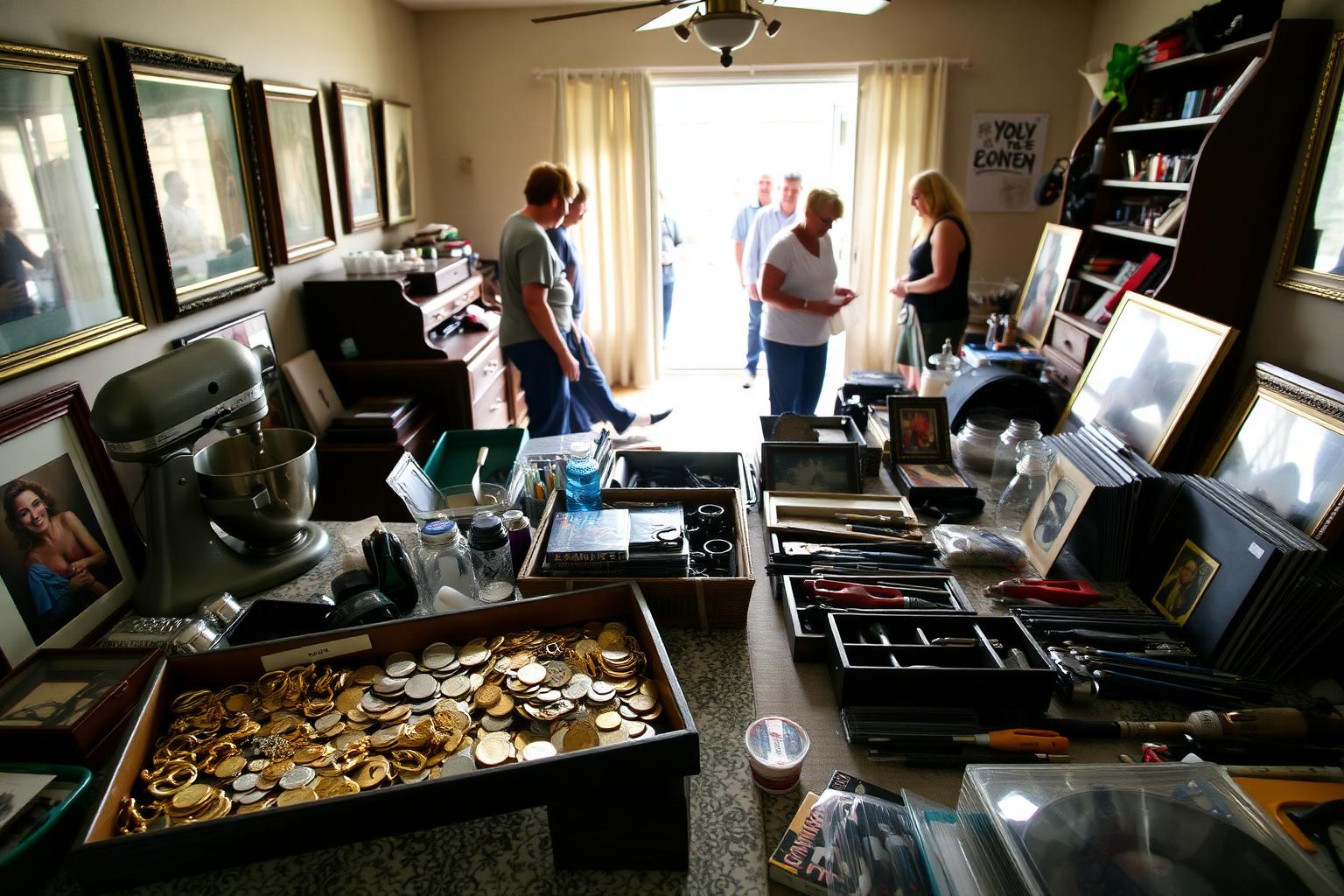
There's a moment at every estate sale that tells you everything about how this business actually works. The doors open, the crowd pours in, and within ten minutes the jewelry case is picked clean and the coin guy is already back at his car counting his haul. Meanwhile, across the room, a genuinely beautiful solid-mahogany dining set — the one that cost more than a used car in 1985 — sits untouched. It'll still be sitting there, price tag and all, when the lights go off on the last day.
That contrast isn't bad luck or bad pricing. It's the single most important truth about estate sales: *what something used to cost has almost nothing to do with what it sells for today.* Value at an estate sale is set by what today's buyers actually want, how easily they can carry it home, and how quickly they can resell it. Nothing else.
After looking at thousands of sales — what flies off the tables, what gets marked down three times and still doesn't move, and what the pros line up for before sunrise — the patterns are remarkably consistent. So let's break it down honestly: the easy winners, the dependable middle, the stuff that stalls, and (most importantly) what we're doing here at EstateSaleFinder to help the hard stuff finally find a home.
The Golden Rule: Small, Valuable, and Easy to Carry Wins
Before the categories, internalize this one idea, because it explains 90% of everything below. The best-selling items at estate sales tend to be small, intrinsically valuable, and easy to walk out the door with. The worst-selling items tend to be large, taste-specific, and a pain to move. Almost every "why did that sell and not this?" question answers itself once you apply that filter.
Now, the rankings.
What Sells Best: The Reliable Winners
1. Jewelry, Coins, and Anything Made of Precious Metal
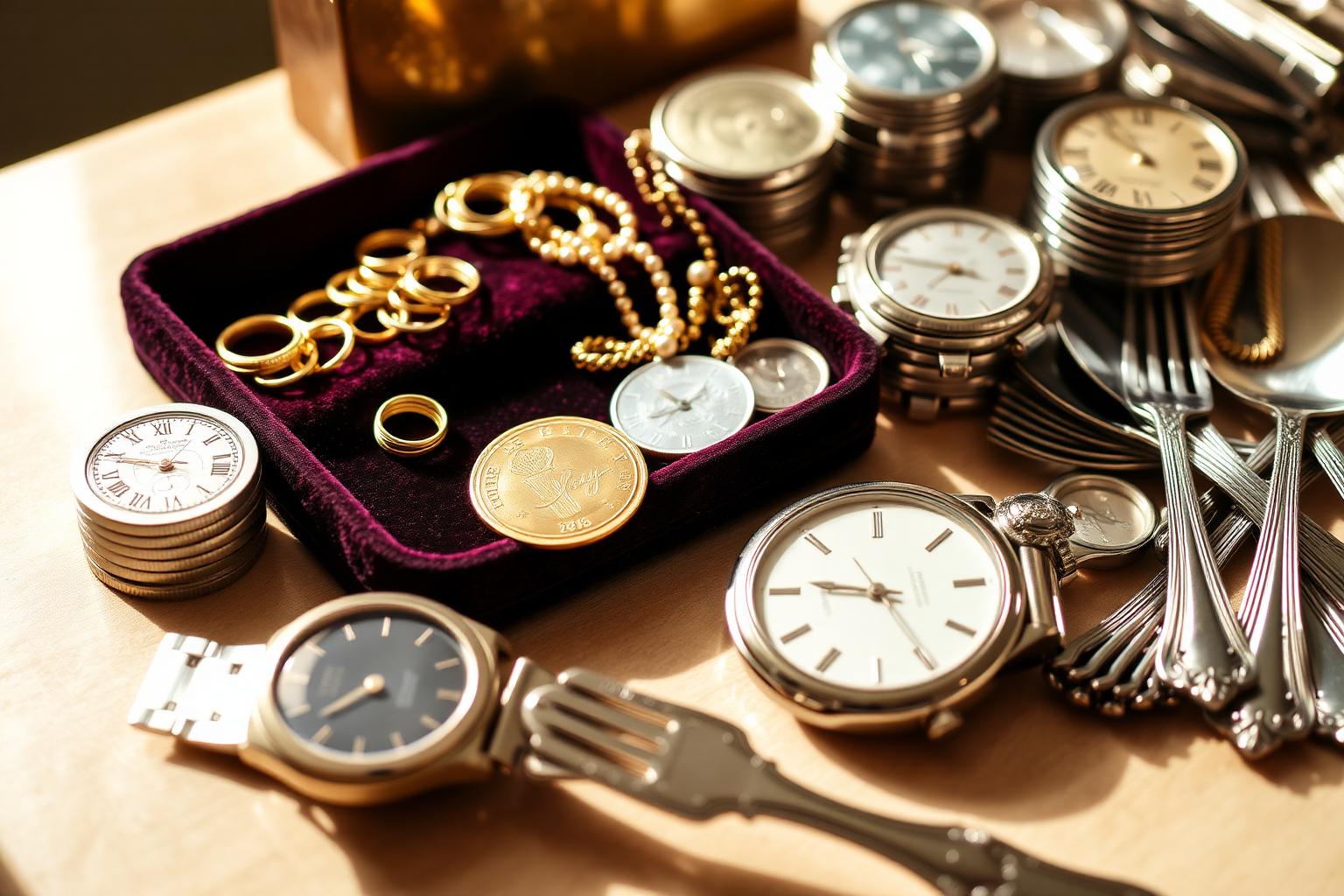
This is the undisputed champion. Gold, silver, platinum, sterling flatware, gold and silver coins — these items sell first, sell fast, and sometimes sell for more than they'd bring online because buyers compete for them in person.
The reason is beautifully simple: precious metal has intrinsic value that doesn't depend on anyone's taste. A gold ring is worth its gold whether or not you like the style. Collectors and dealers know they can resell it instantly, so when a sale advertises jewelry or coins, you'll routinely see people lined up at the door before opening — and the case is empty within minutes. If you're a seller, this is the category most worth getting professionally appraised before the sale, because it's also the easiest to underprice by accident.
2. Tools and Garage Gear
The garage is the most underrated room in the house, and savvy buyers know it. Quality hand tools, power tools, name-brand cordless sets, mechanic's tools, yard equipment, and shop gear sell quickly and reliably. There's bottomless demand from contractors, hobbyists, resellers, and regular folks who'd rather pay $40 for a drill than $150 new.
Brand matters here. Recognized professional brands move at a premium and barely need marketing — but even unbranded tools in working order clear out fast because they're genuinely useful.
3. Kitchen Workhorses and Quality Appliances
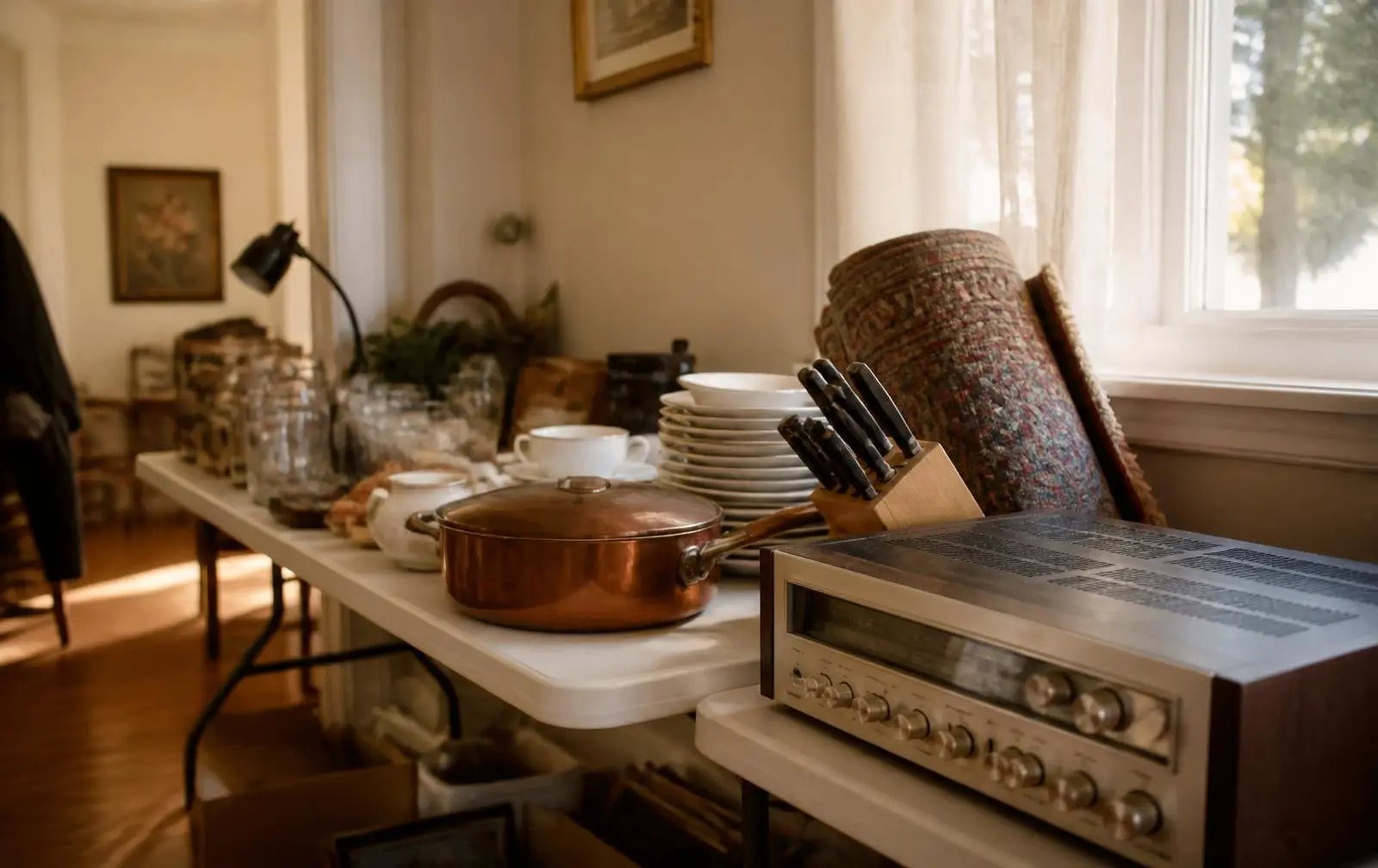
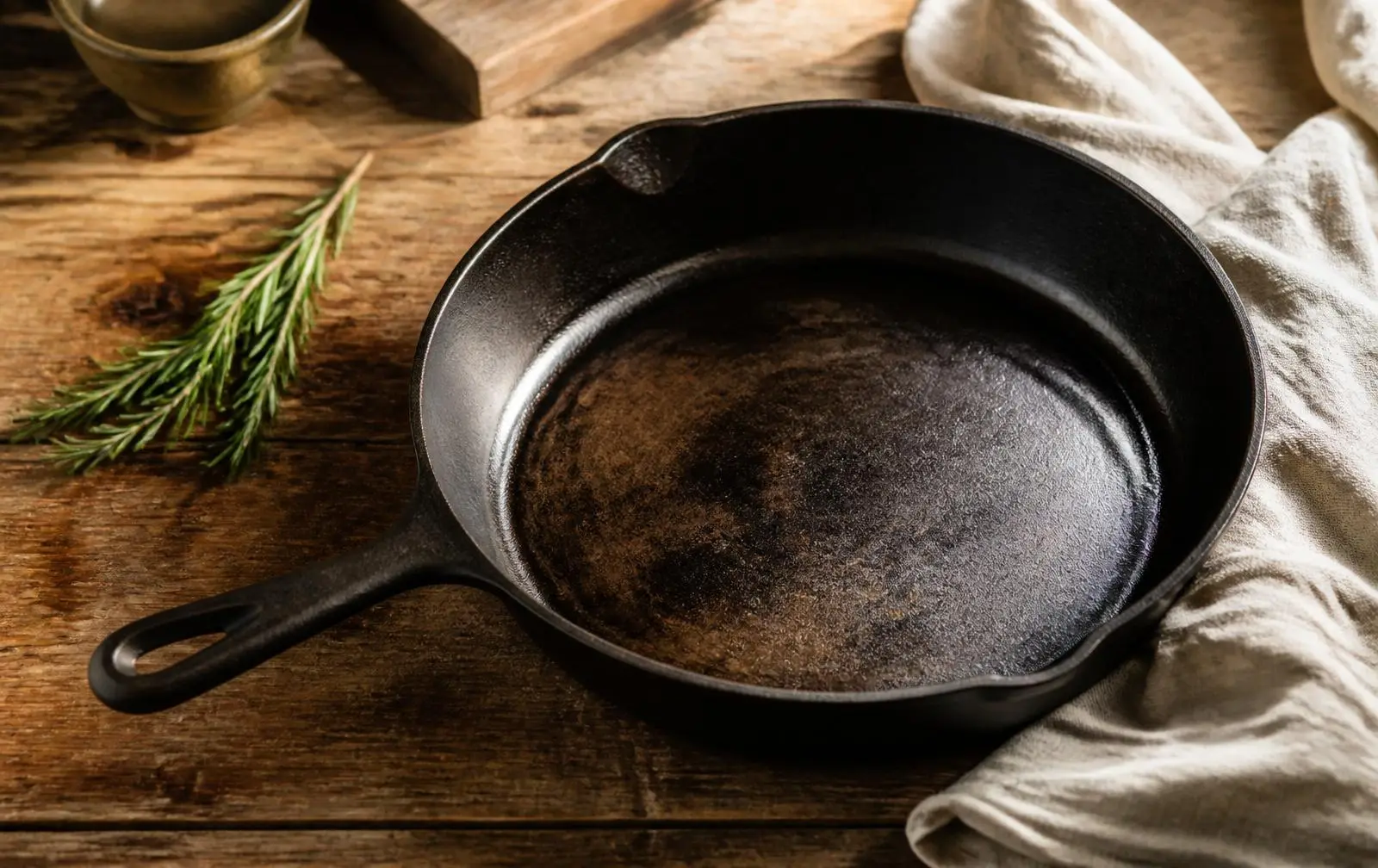
This is the category that's surged hardest in the current economy. Practical is outselling pretty across the board. A stand mixer that retails for $300–$500 new will sell at an estate sale for $80–$200 and disappear in the first hour. High-power blenders, bonded stainless cookware, and especially vintage cast iron all move fast, because buyers know this stuff lasts thirty years and they're getting it for a fraction of retail.
The lesson for everyone: people don't want a decorative knickknack for the shelf anymore. They want the $500 appliance for $120.
4. Collectibles With an Active Fanbase
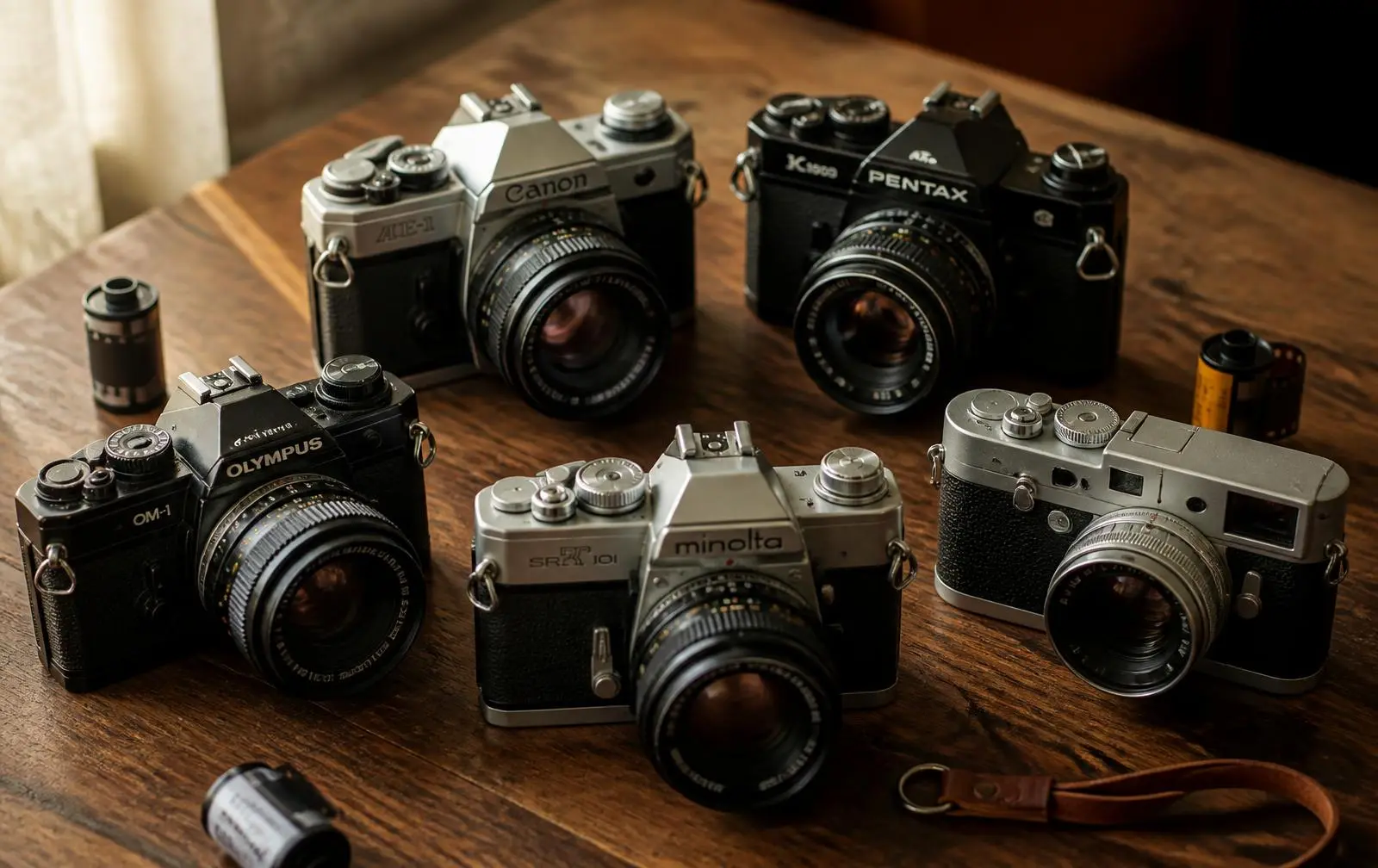
Vinyl records (first pressings, jazz, classic rock, early hip-hop), vintage toys (carded action figures, sealed building sets), comic books, sports cards, military items, and quality vintage cameras all have passionate collector communities that show up specifically hunting for them. The key phrase is "active fanbase" — a collectible only sells well if there's a crowd of people who already want it and know what it's worth.
5. Mid-Century Modern and Solid-Wood Furniture
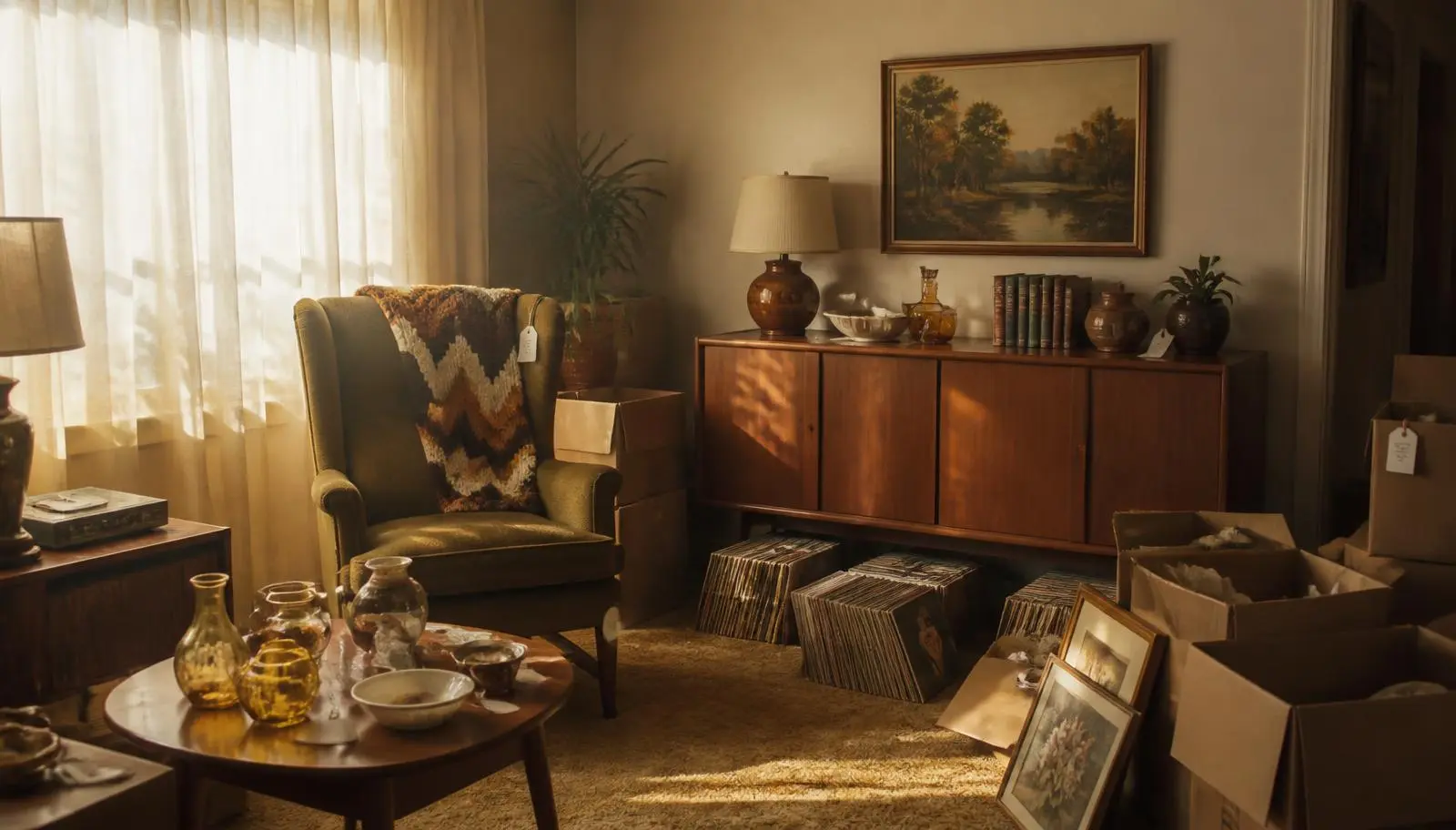
Not all furniture is doomed (more on that in a second). Mid-century modern — clean-lined walnut and teak credenzas, dressers, and sideboards — remains one of the strongest furniture categories there is, and genuine designer pieces command serious money. And after a decade of flat-pack furniture falling apart, buyers have rediscovered solid-wood case goods (real dovetailed oak, maple, and cherry dressers and desks). Smaller, usable, well-built pieces that fit a modern apartment sell well. The tell is always construction and scale, not age.
6. Everyday "Grab-and-Go" Goods
Don't sleep on the humble stuff. Linens, kitchen gadgets, craft and sewing supplies, holiday decorations, gardening gear, and basic housewares sell briskly because they're cheap, useful, and everyone needs them. Individually they're small tickets, but in volume they're the quiet backbone of a successful sale.
The Dependable Middle
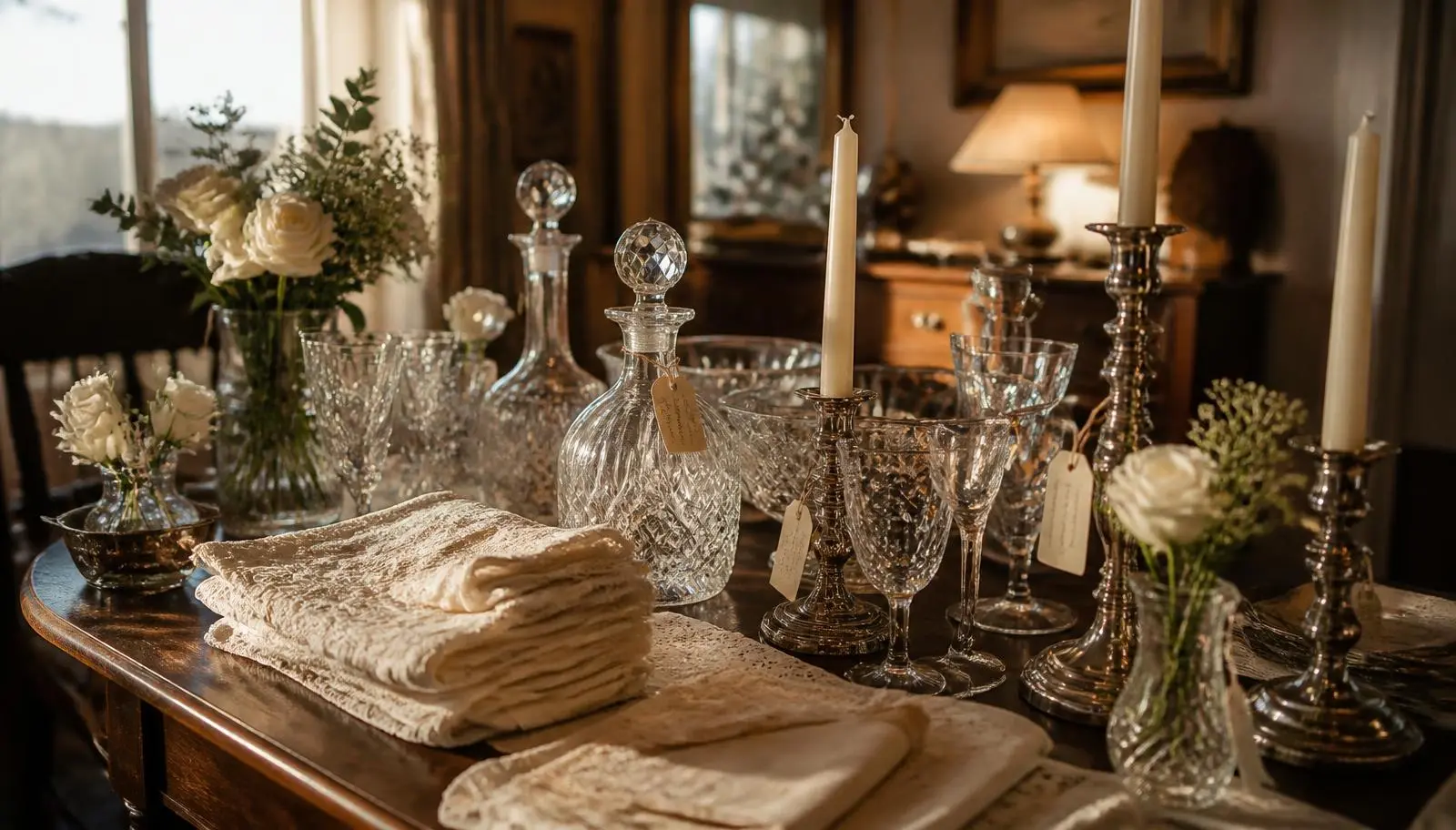
Some categories don't fly out the door but reliably sell with the right pricing and exposure: glassware and quality china sets (singles and incomplete sets struggle), books (a few rare ones carry the table while the rest go in lots), artwork (original pieces are having a real moment; mass-produced prints are not), and decorative items that hit a current aesthetic like cottagecore, grandmacore, or vintage maximalism. These are exactly the items where smart marketing and trend-targeting move the needle most.
What's Hard to Sell (No Matter How Nice It Is)
Here's the part nobody likes to hear, especially families who assumed the "good furniture" would be the big payday.
1. "Brown Furniture" — Large, Ornate, Formal Pieces
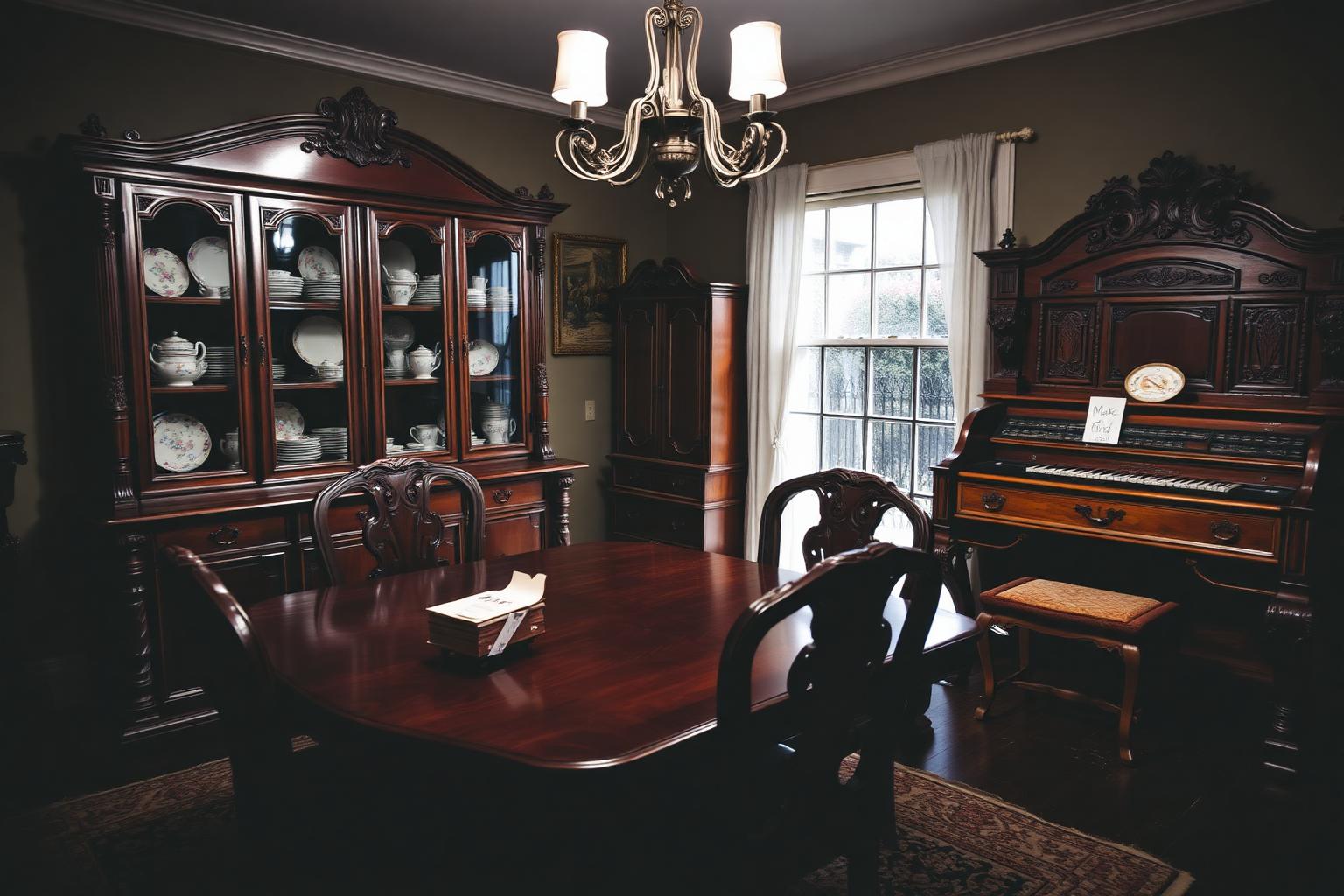
This is the heartbreaker. Big formal dining sets, heavy carved bedroom suites, ornate china cabinets, formal buffets, and traditional dark-wood pieces have fallen out of favor, and it isn't a temporary dip — it's a lasting shift. Younger buyers live in smaller homes, prefer lighter and simpler looks, and don't want to move a 300-pound breakfront up a flight of stairs. Even very high-quality traditional furniture now sells for a fraction of what it cost, and the biggest pieces sometimes don't sell at all. It's not a knock on the craftsmanship; the market simply doesn't want it in volume anymore.
2. China Cabinets and Full Formal China Sets
The matching set of fine china that someone treasured for fifty years is one of the toughest sells in the modern market. People don't host formal dinners or hand-wash gold-rimmed plates the way they used to. The occasional rare or top-tier pattern still moves, but most full sets go for shockingly little.
3. Pianos and Large Organs
Beautiful, sentimental, and almost impossible to give away. They're enormous, expensive to move, often need tuning or repair, and demand has cratered. Many estate sales end with the piano still in the room.
4. Outdated Electronics and Mass-Produced Decor
Old TVs, tangled cables, last-decade computers and printers, and generic "wall art from the home-decor store" all struggle. So do extremely personalized or highly taste-specific items — the more it reflects one very particular person's style, the smaller the audience.
5. Worn, Incomplete, or Common-in-Oversupply Items
Condition is a quiet killer. Even a desirable style loses most of its value with peeling veneer, water damage, missing parts, or wobble. And some things are simply everywhere — common drinking glasses, encyclopedia sets, beat-up mass-market furniture — so supply swamps demand.
So... What Do You Do About the Hard Stuff?
Here's where it gets interesting, because "this is hard to sell" is not the same as "this is impossible to sell." The slow categories almost always have a buyer somewhere — that buyer just isn't standing in the room on Saturday morning. The whole problem is a matching problem: the right item and the right person never found each other in time.
That's the exact problem we built EstateSaleFinder to solve. So let's be straight about what's marketing here, because it's also genuinely the answer.

Marketing Analysis and Trend Tools That Tell You What's Actually Hot
For sellers and estate sale companies, our Sale Marketing Report analyzes your actual inventory and tells you which items are your stars, which align with trending aesthetics right now (think grandmacore, cottagecore, dark academia, vintage maximalism), what hashtags and platforms to lead with, and exactly where to advertise to reach the buyers who want what you're selling. Instead of guessing, you market the right items to the right crowd — which is how a "slow" decorative piece becomes a fast one. It's real-time trend analysis built specifically for estate sales, not a generic guess.
Reaching the Buyers Who Never Walk In
The brown-furniture buyer, the formal-china collector, the person who'd love that piano — they exist, but they often don't shop estate sales in person. Our keyword search and wishlist alerts let buyers tell us exactly what they're hunting for ("walnut credenza," "Noritake china," "upright piano"), and we notify them the moment a matching item lists nearby. Suddenly your hard-to-move piece is being shown directly to the one person actively searching for it — no luck required.
Early Offers So the Big Stuff Moves Before It's Marked to Nothing
For the large, expensive, hard-to-shift pieces, accepting early offers is a game-changer. A motivated buyer can claim that dining set or armoire before the sale even opens, so it sells at a fair price instead of getting marked down to a giveaway on the last day (or worse, left for the cleanout crew). Less hauling, less loss, more sold.
Real Pricing Data So Nothing Gets Mispriced
Both winners and losers suffer from bad pricing — winners get underpriced and given away, slow items get overpriced and ignored. Our Ai appraiser lets you photograph any item and instantly see what comparable pieces have actually sold for, so jewelry gets priced like jewelry and the dresser gets priced to actually move. Real sold-comp data beats a hunch every time.

The Bottom Line
If you remember nothing else: small, valuable, useful, and on-trend sells fast — big, formal, dated, and taste-specific sells slow. That's the map. Jewelry, coins, tools, quality appliances, collectibles with a fanbase, and mid-century or solid-wood furniture are your reliable winners. Brown furniture, formal china, pianos, and dated electronics are your reliable challenges.
But "hard to sell" has never meant "won't sell." It means the right buyer needs to be found — and finding the right buyer for the right item, at the right price, with the right marketing, is the entire reason EstateSaleFinder exists. Whether you're hunting for treasure or trying to clear a home down to the last teacup, we built the tools to make the match happen.
Browse estate sales near you to see it in action, or if you're running a sale, list it with us and put our marketing analysis, trend tools, and buyer-matching to work on your inventory — the easy stuff and the hard stuff.
Keep exploring
Ready to start your own treasure hunt?
Discover estate sales near you and find incredible deals.
Explore Sales Near Me
About the author
Andy
Founder, EstateSaleFinder.net
Hi, I'm Andy — a retired commercial photographer turned developer with a five-year (and counting) obsession with estate sales. I started EstateSaleFinder.net because I knew there had to be an easier, smarter way to find and list estate sales. Now I get to chase treasure and build the tool I always wished existed.