

Tire-Kickers, Guesswork Pricing, and Platform Fees: 6 Things Estate Sale Companies Are Tired Of (and What to Do About Each One)
You stage and price a beautiful sale, the crowd walks through, and the people who'd actually pay top dollar never knew it existed. The six things estate sale companies are tired of — and an honest fix for each one.
I shop estate sales nearly every weekend, and one of my closest friends runs a small liquidation company. So I get to see both sides of the folding table — the buyer side and the business side. And I'll be honest: the business side is harder, lonelier, and more frustrating than almost any shopper realizes.
Here's the moment that always gets me. My friend will spend a week staging a gorgeous sale — clean, organized, fairly priced, full of genuinely good pieces. Saturday comes, the crowd files through, and by noon she's standing in the doorway watching people leave empty-handed. The dealer who would have happily paid $900 for that mid-century lamp? Never showed. Never knew the sale existed.
That's the heartbreak of this industry. It's not that the items aren't good. It's that the right people never find out in time.
Estate sales are one of the last corners of the resale world that technology mostly skipped. While everyone else got search, alerts, data, and discovery, estate sale companies were left with newspaper ads, yard signs, and a single listing site they don't control. That's changing — not with hype, just with tools that finally treat your sale like it matters. Here are the six things operators are tired of, and an honest fix for each.
1. The crowd that buys nothing
Foot traffic feels like success. A line out the door at 7 a.m. looks great in a photo. But a crowd is not the same thing as a buyer, and you know it the second the day ends and your best pieces are still sitting there.
A lot of that crowd is browsing for entertainment. They'll handle everything, rearrange a shelf, ask if you'll take a dollar, and walk out with nothing. Meanwhile the collector who specifically hunts Roseville pottery, the reseller who needs vintage Pyrex, the designer sourcing a sculptural floor lamp — the people who'd pay real money — are out there somewhere, and they have no idea your sale is happening.
The fix
Stop relying on whoever happens to drive past your signs. On EstateSaleFinder, buyers search by keyword and set wishlist alerts for the exact things they want. When you list a sale, the people who've been hunting for "Mid-Century", "sterling", "Pyrex", or "Stickley" get pulled toward it. You're not just getting more bodies in the door — you're getting the high-intent collectors, resellers, and designers who came because of what you have.

2. Pricing by gut (and leaving money on the table)
Pricing is the part nobody outside the business respects, and it's the part that keeps operators up at night. You've got thousands of items and a few days to tag them. So you do the eBay-sold-comps grind on the pieces you can, and you eyeball the rest.
That eyeballing is where the money leaks out. Price too high and it sits. Price too low and you've just handed a $600 piece to a reseller for $40 — and the family feels it. The truly scary ones are the sleepers: the "ugly" basement lamp that turns out to be a sought-after designer piece, the unmarked bowl that's actually worth a small fortune. Get one of those wrong and you've cost a grieving family real money.
The fix
Ground your pricing in facts, fast. EstateSaleFinder's Ai Analyzer helps you identify an item from a photo and pulls real eBay sold-listing data — what things actually sold for, not hopeful asking prices — plus a sense of resale margin. It's not magic and it's not a replacement for your expertise. It's a second opinion that catches the sleeper before it gets tagged at $5, so nothing valuable slips out the door underpriced.

3. Renting your traffic from a platform you don't control
For years there was basically one place to list, and you paid for it because everyone went there. But that platform is now owned by a large auction conglomerate, and the gripes are everywhere — fees that climb, billing that surprises you, and the creeping feeling that your sale is just inventory funneling buyers into someone else's auction ecosystem.
It's an uncomfortable spot. You built your reputation and your traffic on a channel that doesn't really work for you anymore — it works for the company that owns it.
The fix
An independent marketplace built around your sale, not someone else's auctions. EstateSaleFinder lists your company's sale on its own terms, points buyers at your event, and sends them to your door — no cross-listing into a third party's bidding platform, no sense that you're feeding a machine that's competing with you. You stay the business. We're just how the right buyers find you.
4. The endless hunt for clients
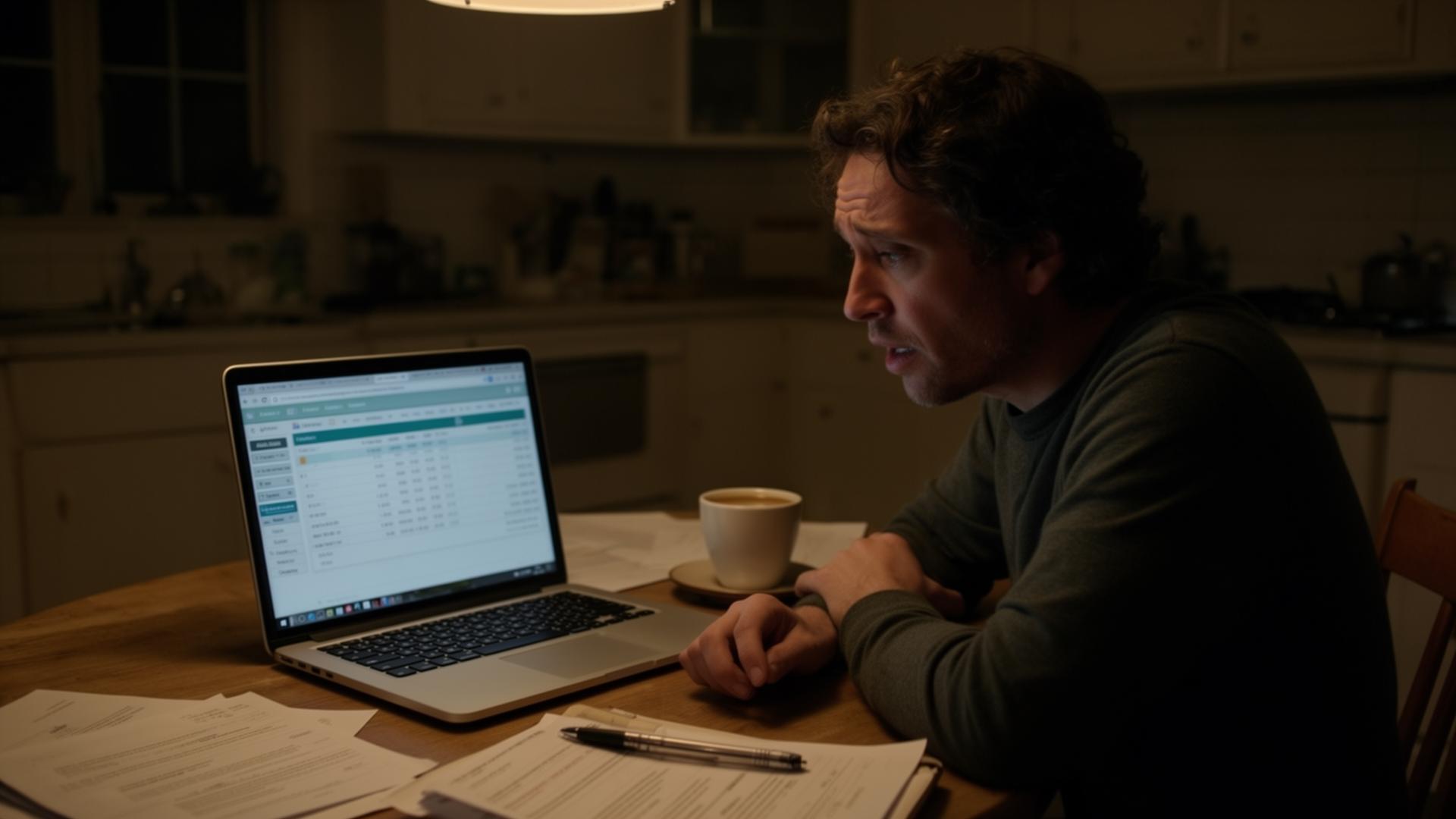
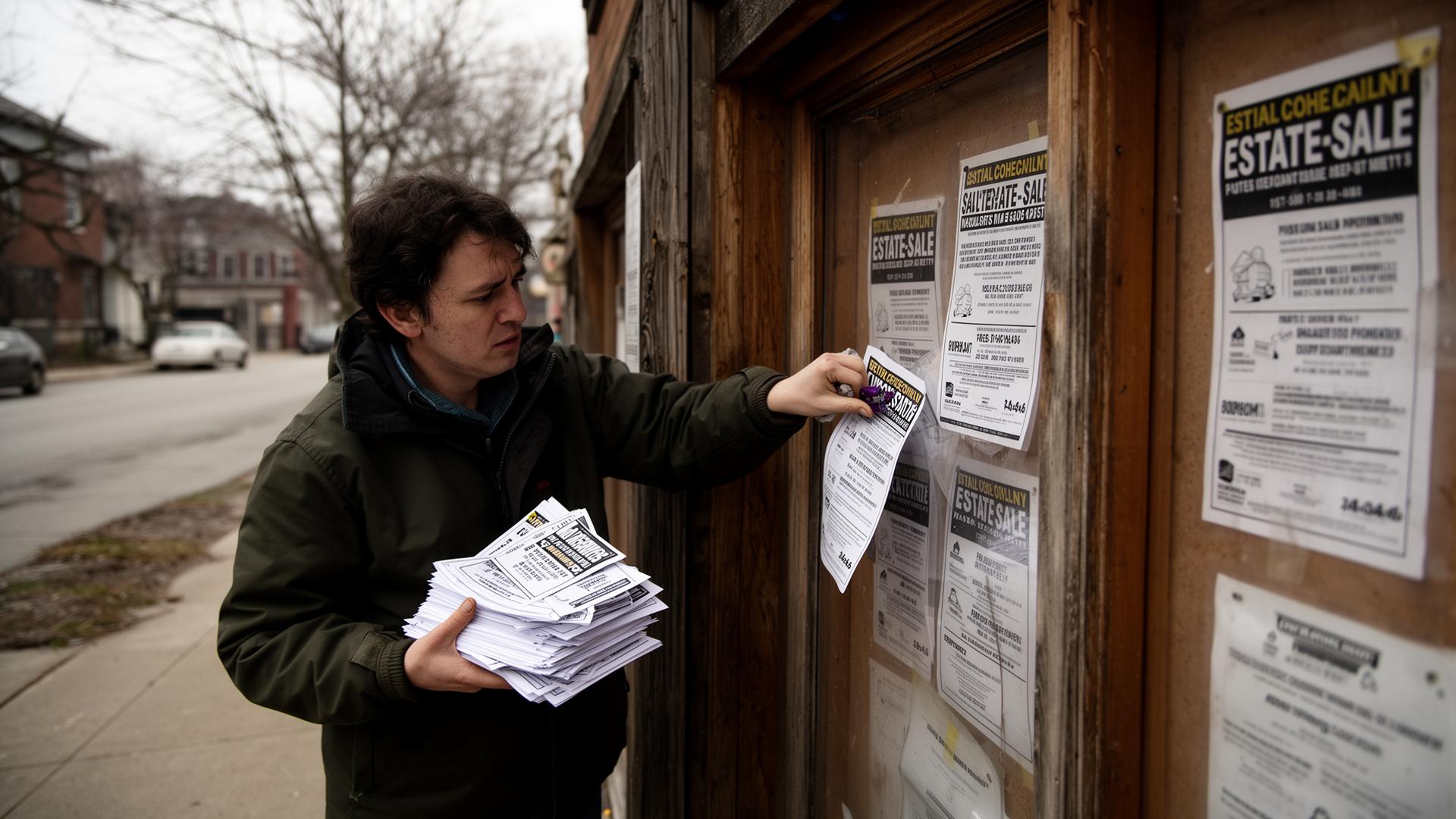
Here's the quiet truth of the business: the sale isn't the hard part. Getting hired for the next sale is the hard part. So you make fliers. You leave cards with estate attorneys and realtors. You knock on doors of homes that look like they might need you. You pray for referrals. It's a grind that never ends, and it has almost nothing to do with how good you are at the actual job.
When a family loses a parent and needs help liquidating a house, they don't have a flier — they open their phone and search. If you're not findable there, you don't exist to them, no matter how stellar your last twelve sales were.
The fix
Be found. EstateSaleFinder gives your company a verified seller badge, a real profile, and presence on city and area pages, so when someone searches for an estate sale company in your town, you show up. Every sale you list becomes a working advertisement for your business — a steady lead source instead of a one-day event that disappears Sunday night. The grind of chasing clients turns into clients finding you.
5. "Going online" feels like a second job
Every operator has been told they need to "go digital," and for most it sounds exhausting — build a website, run social media, manage an online store, learn five new tools. You're already working ten-day setups and emotional pricing conversations. The last thing you have time for is becoming a part-time web developer.
So a lot of companies just... don't. And they leave the documented sales-volume and price lift of hybrid reach (in-person plus online) on the table because the cost of entry feels like a whole new career.
The fix
Listing is the online channel. You don't build an e-commerce site, you don't manage a storefront, you don't learn a content calendar. You post your sale on EstateSaleFinder — photos, details, dates — and that single listing gives you the online reach that drives more buyers and stronger prices on sale day. It's the upside of going digital without the second job attached.

6. Reaching the right buyers, not just more buyers
This is the payoff to everything above, and it's the one that actually changes your numbers. You don't need a thousand more tire-kickers. You need the handful of people who specifically want what's in this house — because those are the people who pay top dollar without flinching.
A general crowd treats your $900 lamp like a curiosity. The collector who's been hunting that exact lamp for two years treats it like the find of the season. Quality of buyer beats quantity of buyer every single time, and the whole game is getting your sale in front of the former, not just the latter.
The fix
The marketplace is organized around what buyers are actively searching for. Because buyers come to EstateSaleFinder with specific hunts and standing wishlist alerts, your listing matches your items to the exact people looking for them. The dealer who wanted that piece actually finds your sale — and shows up ready to buy. That's not more traffic. That's the right traffic.

Behind every sale is a family in transition
It's easy to talk about traffic, fees, and pricing and forget what this work really is. Behind every sale is a family in transition — a downsizing, a move, a loss. Your job is to handle their belongings with care and send them off with a fair return, and that job deserves better tools than fliers and a platform that treats you like inventory.
This industry got skipped by technology for a long time. We're trying to fix that — quietly, practically, on your side. If any of these six frustrations sounded like your last six months, take a look at how EstateSaleFinder works for companies. List a sale, claim your profile, see who shows up.
Keep exploring
Ready to start your own treasure hunt?
Discover estate sales near you and find incredible deals.
Explore Sales Near Me
About the author
Andy
Founder, EstateSaleFinder.net
Hi, I'm Andy — a retired commercial photographer turned developer with a five-year (and counting) obsession with estate sales. I started EstateSaleFinder.net because I knew there had to be an easier, smarter way to find and list estate sales. Now I get to chase treasure and build the tool I always wished existed.