
Flipping 101: How to Turn Estate Sale Finds Into Real Money
Buy for $10, sell for $150. Estate sale flipping is a real side hustle — and it's easier to start than you think. Here's the playbook.
Estate sale flipping — buying items at estate sales and reselling them for a profit — has become a legitimate side hustle for thousands of people. Some even turn it into a full-time income. Here's how to get started.
The Basics
The concept is simple: buy items below market value at estate sales, then sell them at market value through online platforms like eBay, Facebook Marketplace, Etsy, or Poshmark.
The key is knowing what sells, what it's worth, and where to sell it. That means doing your homework before you ever walk into a sale, not after you've already bought something.
Best Categories for Flipping
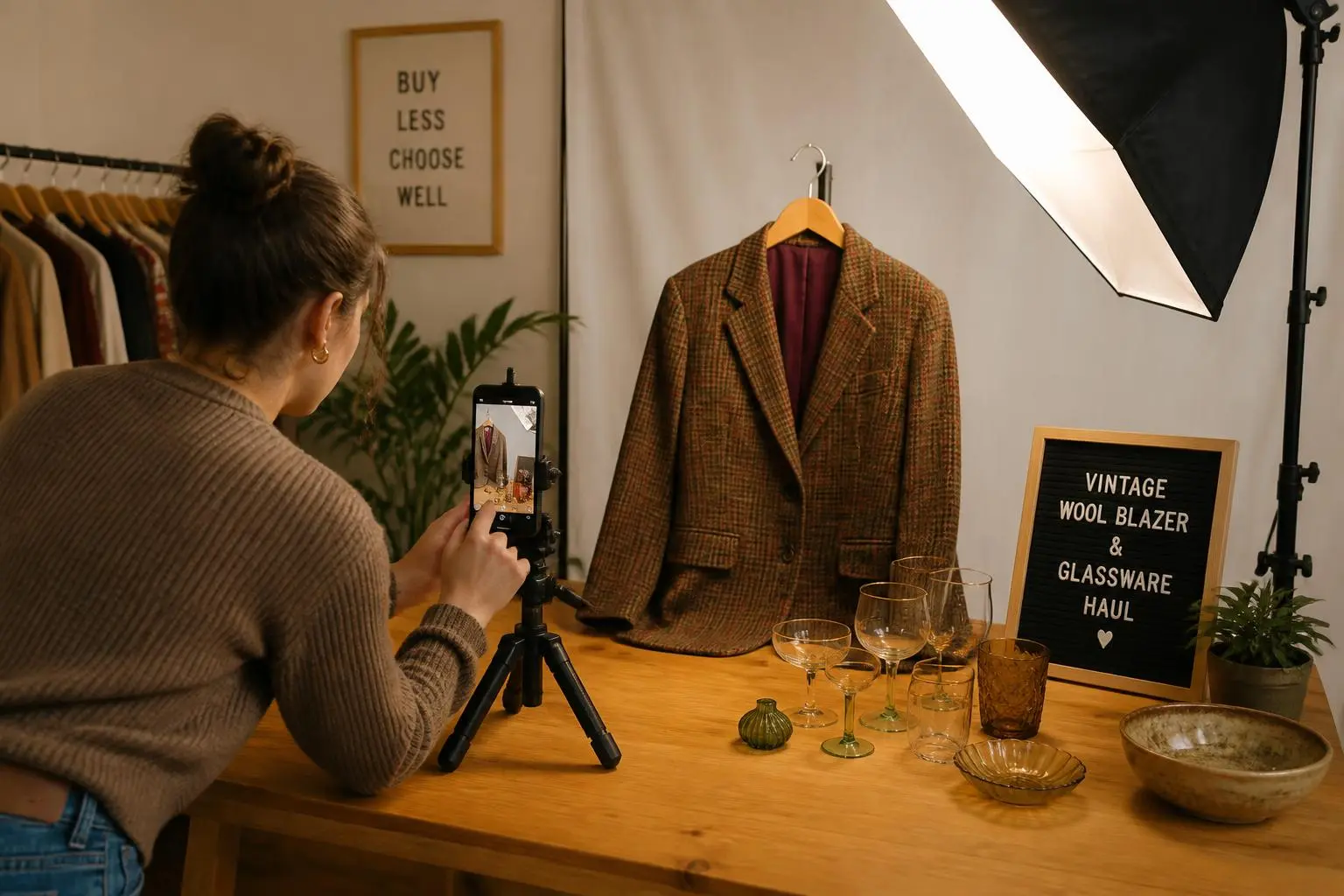
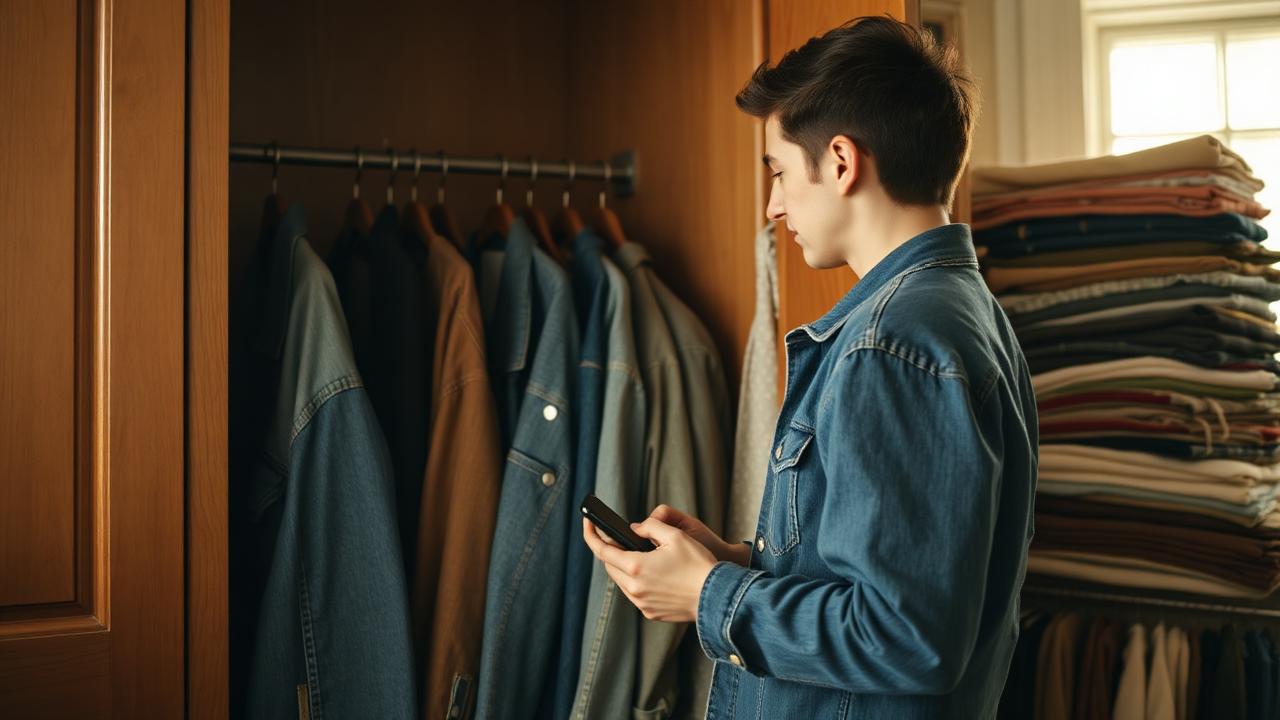
Vintage clothing and accessories. Brand-name vintage pieces (Levi's, Coach, designer labels) consistently sell well online. Look for quality fabrics, unique patterns, and recognizable brands. Check for damage like stains, tears, and odors, which can tank resale value even on a desirable label.
Tools. Hand tools and power tools have strong resale markets, especially well-known American brands from the mid-20th century. Vintage Stanley planes, for example, can be valuable depending on the model and condition. Check for rust, cracked handles, and whether all original parts are present.
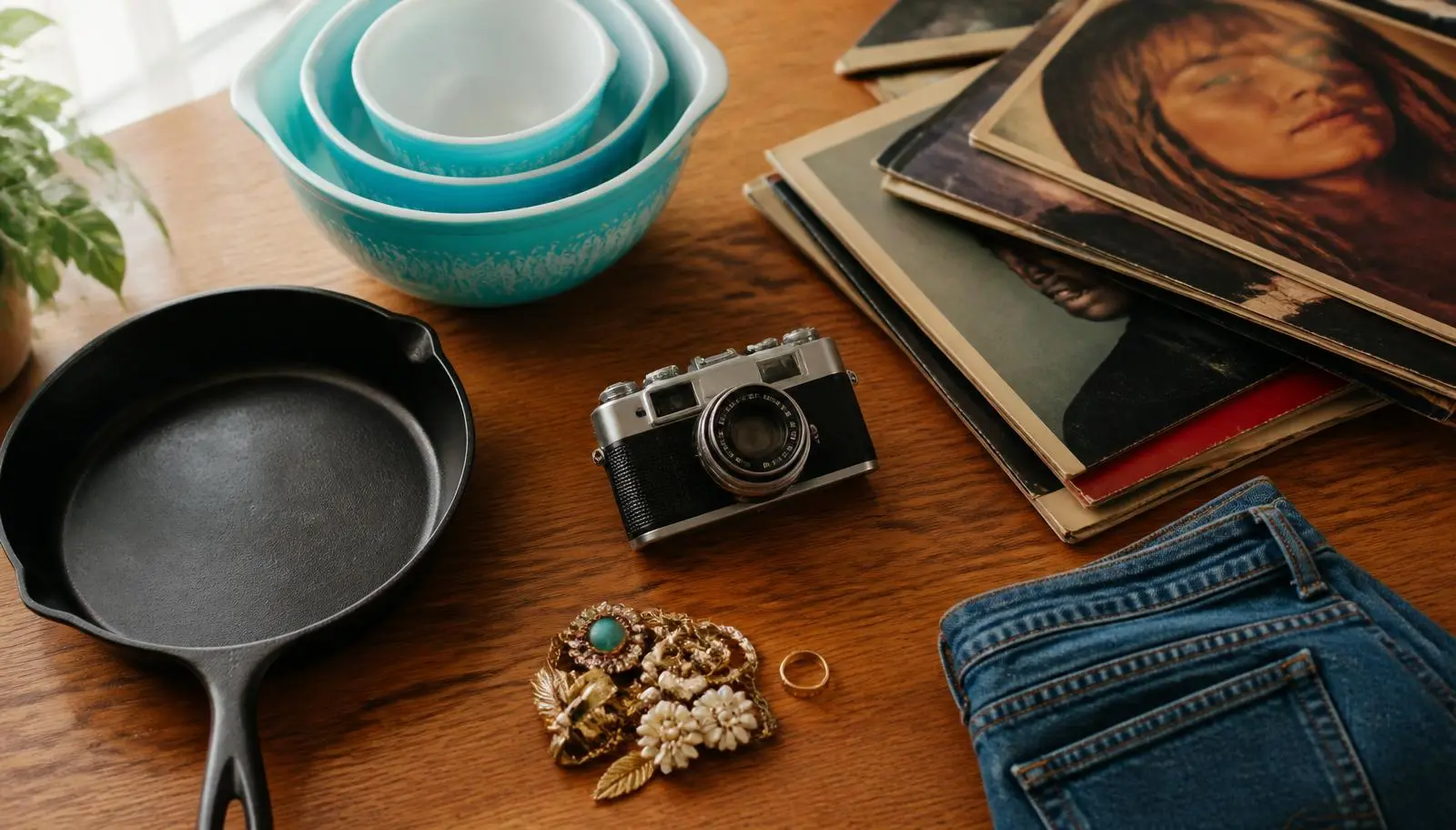
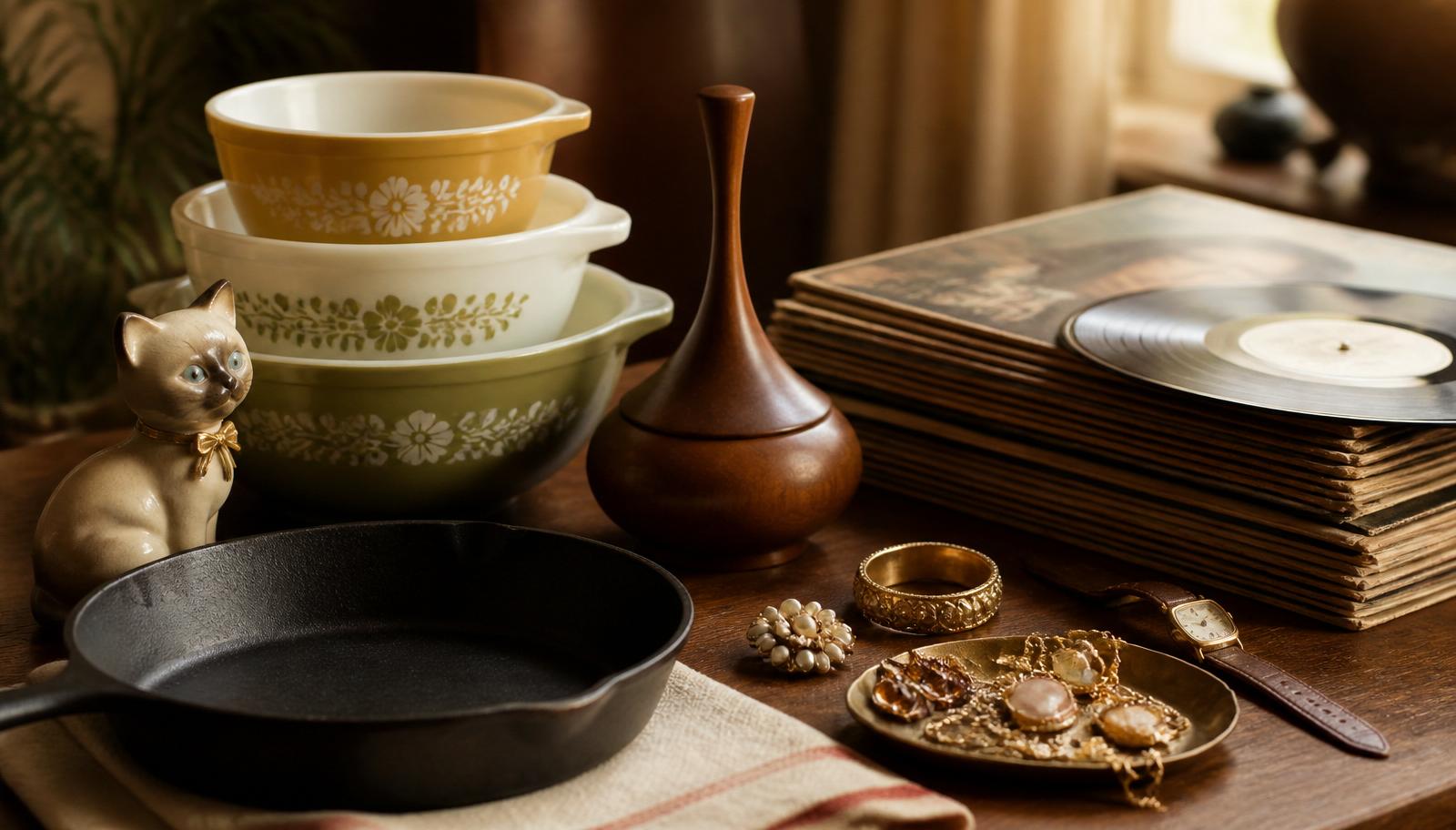
Collectibles. Pyrex, Fire-King, vintage barware, and mid-century pottery all have dedicated collector communities willing to pay premium prices for rare patterns and colors in good condition. Learn to identify pattern names and production years, since even small variations can mean big differences in demand.
Electronics. Vintage audio equipment (turntables, receivers, speakers) can be valuable to the right buyer. Even non-working units sometimes sell to restorers and hobbyists, but always disclose the condition honestly in your listing.
Books and ephemera. First editions, signed copies, and old maps or postcards are frequently overlooked at estate sales but have active buyer communities online. A quick search of the title and edition details can tell you whether it's worth a second look.
How to Evaluate Before You Buy
- Research comparable sold listings, not just active ones. Active listings show what sellers are asking; sold listings show what buyers are actually paying.
- Factor in condition honestly. A "mint condition" label only matters if the item truly has no chips, stains, cracks, or missing pieces. Overgrading an item leads to returns and unhappy buyers.
- Think about shipping before you buy. Heavy, fragile, or oddly shaped items can be expensive or risky to ship. Factor that cost into your offer price.
- Know your platform's fees. Selling fees, payment processing fees, and shipping all eat into your margin, so build them into your math upfront rather than after the sale.
The Math
A successful flip starts with buying right. As a general guideline, many resellers aim to buy items well below what they expect to resell them for, leaving enough room to cover platform fees, shipping costs, packaging materials, and your time — and still walk away with a worthwhile profit. The exact margin you need depends on the category, how much work the item requires (cleaning, researching, photographing), and how quickly you want it to sell.
Common Mistakes New Flippers Make
- Buying based on excitement instead of research. An item that seems rare to you might be common once you check sold listings.
- Ignoring storage space. Flipping furniture and larger items requires somewhere to store inventory until it sells — factor that into what categories you take on.
- Underpricing out of impatience. New sellers sometimes panic-price items too low just to make a quick sale, undercutting the actual market value.
- Skipping good photos and descriptions. Clear, well-lit photos and honest, detailed descriptions are often the difference between an item that sits for months and one that sells quickly.
Getting Started
- Start small — focus on one or two categories you know well
- Use sold listings on platforms like eBay to research prices BEFORE you buy
- Start with items that are easy to ship (avoid large furniture initially)
- Reinvest your profits into better inventory as you learn what sells in your area
- Track everything — what you bought, what you paid, what you sold it for, and how long it took to sell
The estate sale flipping community is welcoming and full of resources. Start small, learn as you go, and don't be afraid to make a few mistakes along the way.
Keep exploring
Ready to start your own treasure hunt?
Discover estate sales near you and find incredible deals.
Explore Sales Near Me
About the author
Andy
Founder, EstateSaleFinder.net
Hi, I'm Andy — a retired commercial photographer turned developer with a five-year (and counting) obsession with estate sales. I started EstateSaleFinder.net because I knew there had to be an easier, smarter way to find and list estate sales. Now I get to chase treasure and build the tool I always wished existed.