The Items Estate Sale Pros Always Grab First
Professional buyers have a mental checklist they run through in the first 60 seconds. Here's what they're looking for — and why you should be too.
Professional estate sale buyers don't browse — they execute. They walk in with a plan, hit specific spots first, and grab high-value items before casual shoppers even know what to look for. Here's their playbook.
The First 60 Seconds
Pros scan the entire sale within the first minute, looking for:
Sterling silver. Real sterling (marked "925" or "sterling") is always worth buying at estate sale prices. Flatware sets, serving pieces, and small decorative items are the most common finds. Even at melt value, sterling is worth $15-25+ per ounce.
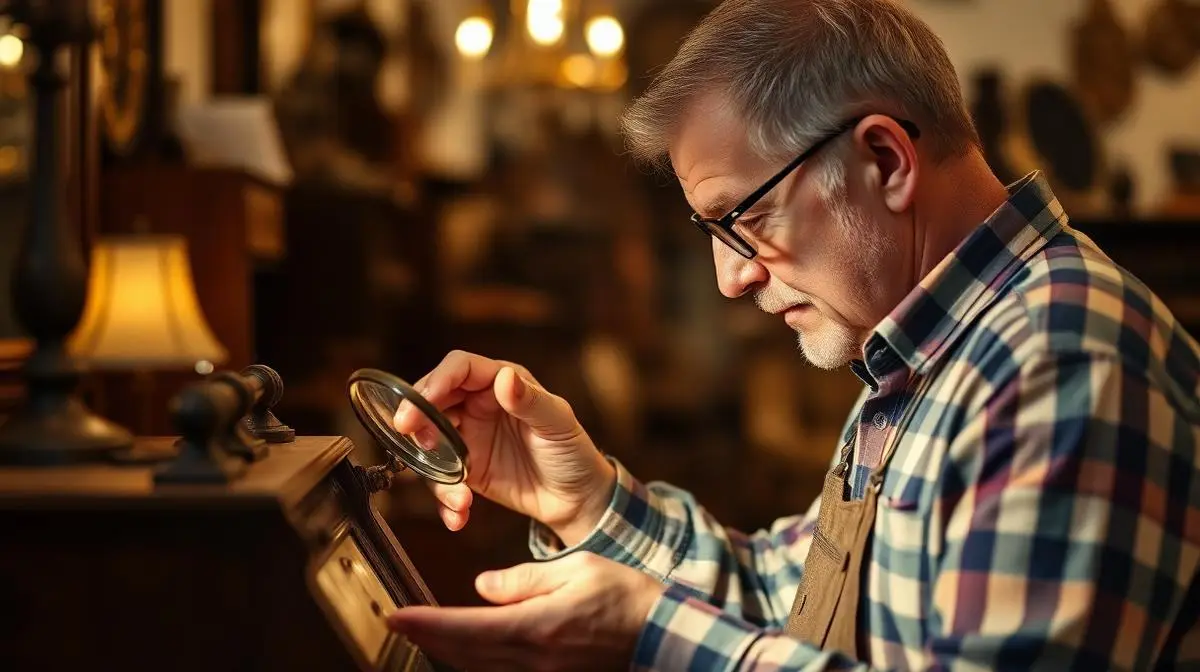
Signed artwork. Original paintings and prints with artist signatures can be valuable. Pros flip them over to check for gallery labels, exhibition stickers, or provenance information on the back.
Quality jewelry. Real gemstones, gold, and signed costume jewelry (Trifari, Miriam Haskell, Eisenberg) are always targets. Pros head straight for the jewelry case before browsing anything else.
The Second Pass
After securing the obvious valuables, pros circle back for:
Vintage pottery and glass. Rookwood, Roseville, Weller pottery, and art glass (Murano, Blenko, Fenton) are consistently profitable.
Books. First editions, signed copies, and books on specialized topics (architecture, art, regional history) can be surprisingly valuable. Most buyers walk right past the bookshelves.
Ephemera. Old photographs, postcards, maps, vintage advertisements, and paper items have a dedicated collector market that most people don't know about.
The Pro Mindset
The biggest difference between pros and casual buyers? Pros know their margins before they buy. They don't buy something because it's "cool" — they buy it because they know exactly what it will sell for and exactly where they'll sell it.
You don't need to go pro to benefit from this approach. Just pick one or two categories, learn them deeply, and apply that knowledge at your next estate sale.
Keep exploring
Ready to start your own treasure hunt?
Discover estate sales near you and find incredible deals.
Explore Sales Near Me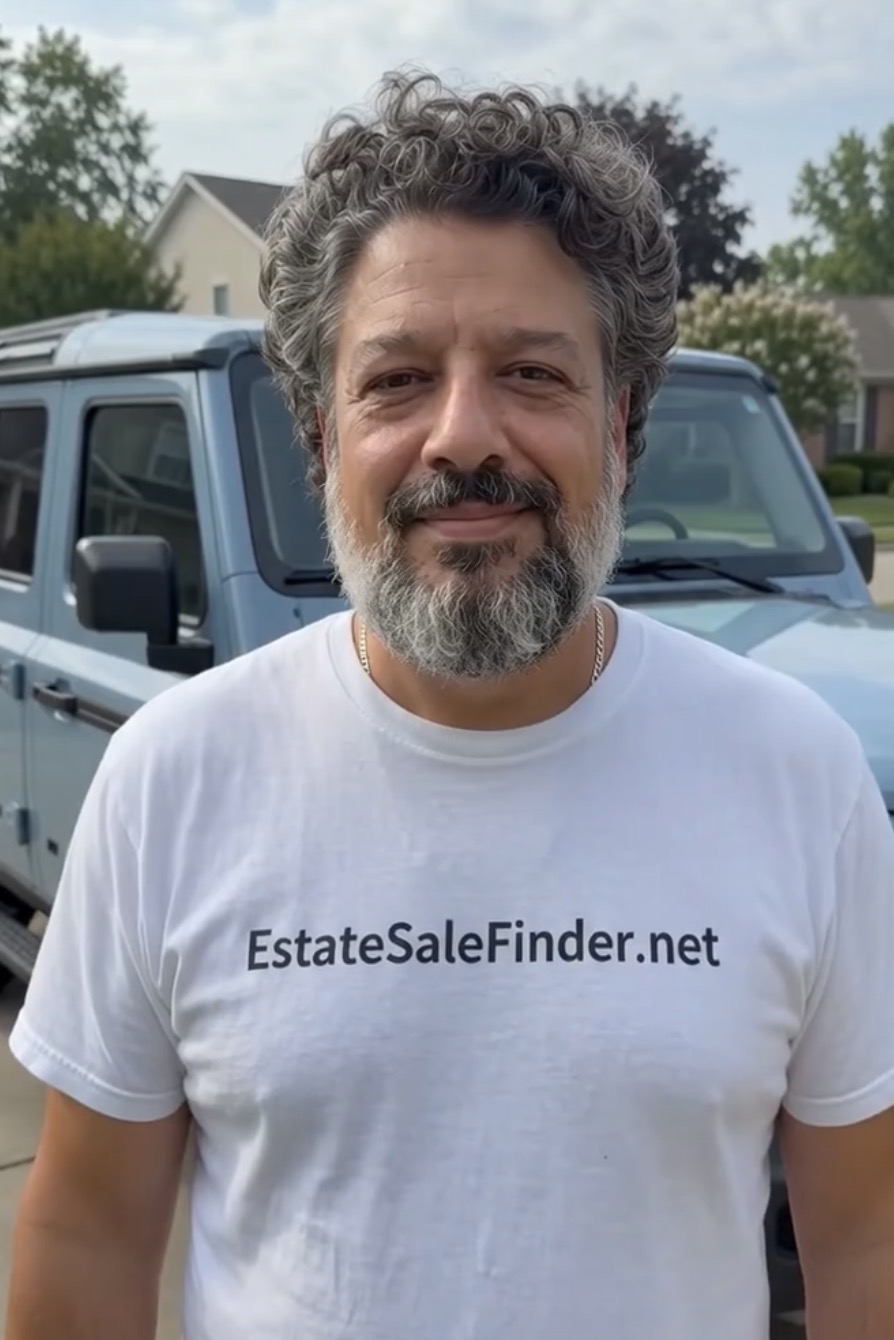
About the author
Andy
Founder, EstateSaleFinder.net
Hi, I'm Andy — a retired commercial photographer turned developer with a five-year (and counting) obsession with estate sales. I started EstateSaleFinder.net because I knew there had to be an easier, smarter way to find and list estate sales. Now I get to chase treasure and build the tool I always wished existed.