The $3 Dress That Changed How I See Fashion Forever
How a dusty rack at a Tuesday morning estate sale completely redefined my wardrobe — and why the most stylish thing you can wear is something nobody else has.
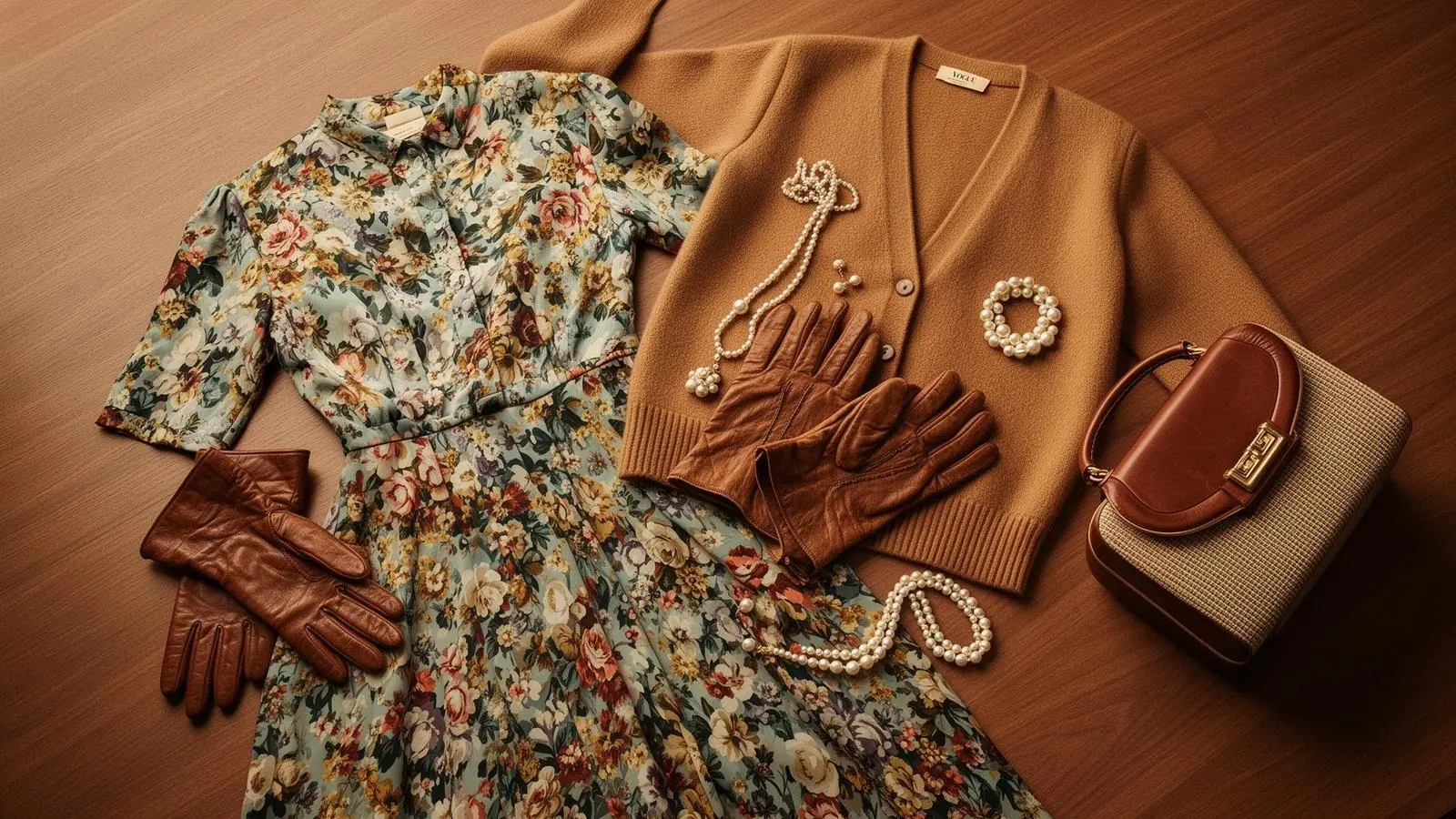
It was a pale green floral dress, tucked between a fur-collared coat and a row of faded blouses on wooden hangers. The fabric was cool to the touch — real silk, not the slippery polyester that pretends to be. The zipper was metal, not plastic. The stitching inside was finished with French seams.
The price tag, written in blue ballpoint on a piece of masking tape, said $3.
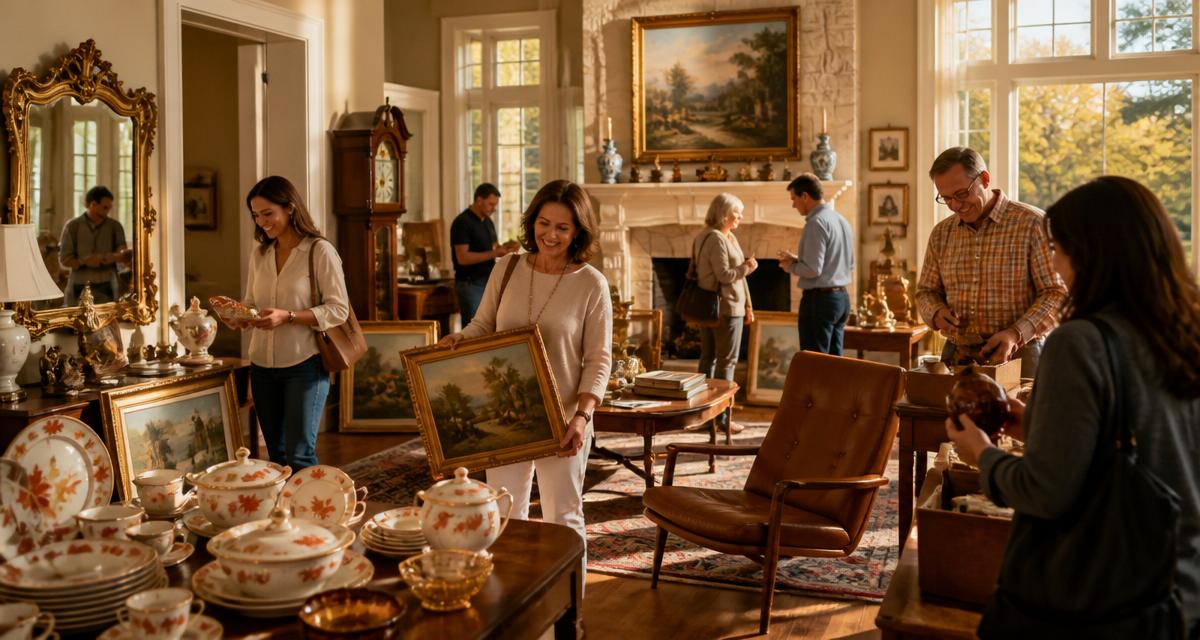
I almost didn't go to that estate sale. It was a Tuesday. It was raining. The listing said "clothing, kitchenware, miscellaneous." Nothing exciting. But something made me turn the car around — and that $3 dress became the single most complimented piece of clothing I've ever owned.
That was three years ago. I haven't bought fast fashion since.
Why Everything in Your Closet Looks the Same
Here's a question that might sting a little: when was the last time someone stopped you to ask where you got something you were wearing?
Not because it was expensive. Not because of the label. But because it was genuinely interesting?

The modern fashion industry produces over 100 billion garments per year. The same factories, the same patterns, the same synthetic fabrics shipped to every mall in every city. Your "unique" outfit was produced in a run of 50,000 identical pieces.
We've been trained to believe that fashion means keeping up — buying the latest trend, wearing it for a season, tossing it. But the most stylish people I know do the opposite. They wear pieces with history. Pieces that were made when clothing was built to last decades, not weeks.
And the best place to find those pieces? Estate sales.
Walking Into a Closet Frozen in Time
There's a moment at every estate sale — if you know where to look — when you open a closet door and the air changes. Mothballs and cedar and old perfume. Hangers packed tight. A lifetime of someone's personal style, hanging in the dark, waiting.
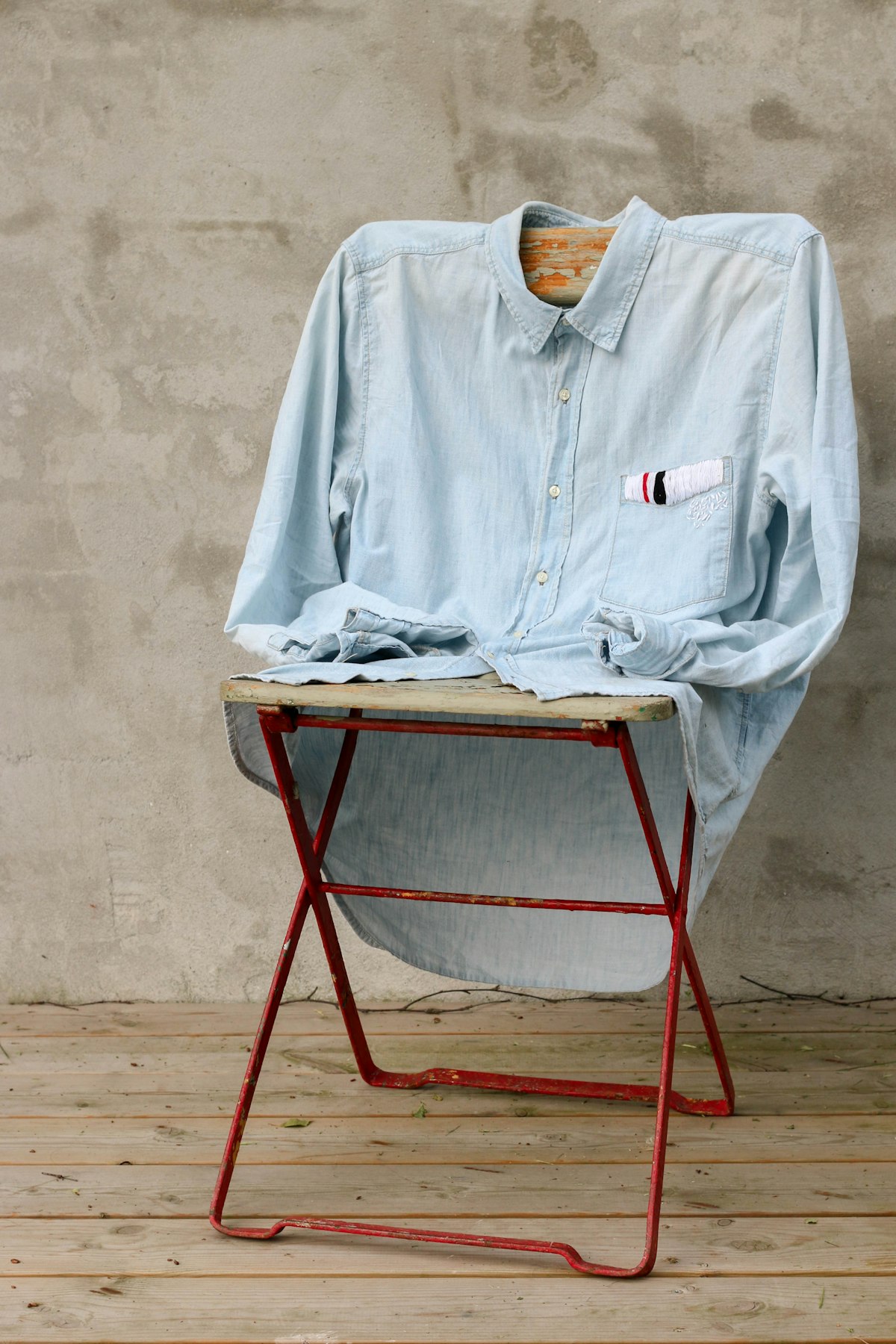
Estate sale clothing is different from thrift store clothing. Thrift stores get the castoffs — the clothes people didn't want anymore. Estate sales get everything. The special occasion dresses. The designer suits kept in garment bags. The hand-knit sweaters that took someone's grandmother three months to make. The leather jacket that was a splurge in 1972 and still looks incredible today.
I've found a 1950s cashmere cardigan, butter-soft and perfectly preserved, for $5. A pair of Italian leather boots from the '80s — the kind that would cost $400 today — for $8. A hand-embroidered silk kimono for $2. Not replicas. Not "vintage-inspired." The real thing.
And here's what nobody tells you
the quality of clothing from the 1940s through the 1980s is almost incomprehensibly better than what's sold today. The fabrics are thicker. The seams are stronger. The buttons are real shell, real metal, real wood — not injection-molded plastic. These clothes were made to be worn for a lifetime, and many of them still can be.
What to Look For (And What to Skip)
Not everything on that estate sale clothing rack is gold. Here's how to separate the treasures from the tired:
Check the Labels
- Union labels (ILGWU, ACWA, UNITE) indicate American-made garments, usually pre-1995, and often signal superior construction
- Country of origin: "Made in USA," "Made in Italy," "Made in France" from the mid-century era almost always means quality
- Brand names to watch for: Pendleton, Evan-Picone, St. John, Liz Claiborne (early years), Anne Klein, Halston — these are frequently found at estate sales and hold up beautifully
Feel the Fabric
Close your eyes and touch it. Does it feel substantial? Does it have weight? Real wool has a springy warmth. Real silk is cool and fluid. Real linen has a crisp texture. If it feels like nothing — thin, plasticky, forgettable — it probably is.

Inspect the Construction
- French seams (seams enclosed within themselves) signal high-quality dressmaking
- Lined garments — a fully lined jacket or dress was made with care
- Pattern matching — if the stripes or plaid at the seams line up perfectly, someone took the time to do it right
- Hand-finished details — hand-sewn buttonholes, hand-rolled hems, covered buttons
What to Skip
Avoid anything with moth damage (tiny holes, especially in wool), persistent odors that won't wash out, or heavy staining. Also skip anything with damaged elastic — waistbands and bra straps from the '70s and '80s often lose their stretch and aren't worth replacing.
Pennies on the Dollar, Style You Can't Buy
Let me put this in perspective with real finds from real estate sales:
- 1960s Chanel-style boucle jacket: Estate sale price $10. Comparable vintage retail: $200-400
- Cashmere overcoat, barely worn, '70s era: Estate sale price $15. Modern equivalent: $600+
- Silk scarves (Hermès, Pucci, Liberty): Estate sale price $2-5 each. Retail/vintage market: $50-300+
- Handmade cocktail dress with beading: Estate sale price $8. One-of-a-kind, literally priceless
- Leather gloves, Italian-made: Estate sale price $1. Modern equivalent: $80-150
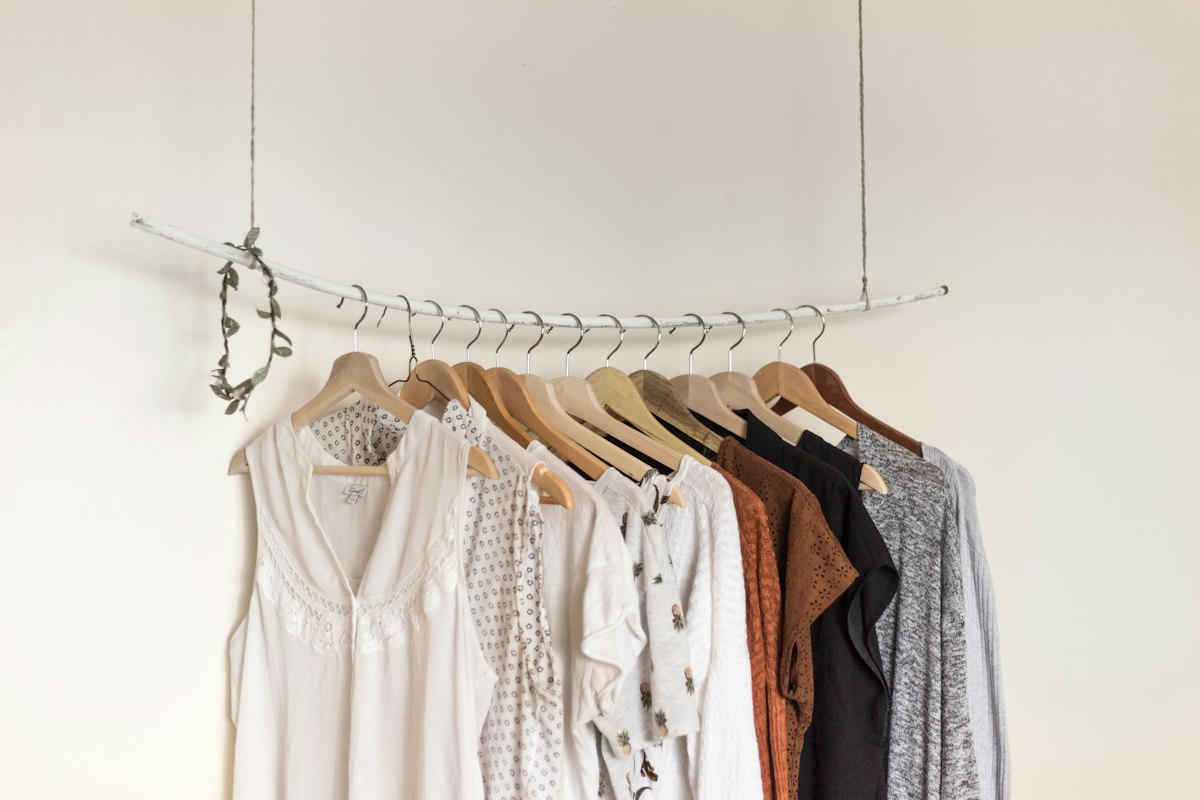
The math is absurd. But the real value isn't the discount — it's the uniqueness. Nobody else at the party, the office, the coffee shop is wearing what you're wearing. Your style becomes genuinely yours, not a copy of whatever algorithm Instagram decided to show you this season.
How to Style Vintage Without Looking Like a Costume
This is the part that scares people. "I don't want to look like I'm wearing a costume." Fair. Here's the secret: mix eras.
The most effortless vintage style comes from pairing one standout vintage piece with modern basics:
- A 1970s silk blouse with modern high-waisted jeans and white sneakers
- A vintage tweed blazer over a plain white tee and black trousers
- A '60s A-line skirt with a fitted modern turtleneck
- Vintage jewelry (brooches, cocktail rings, pearl strands) with a simple black dress
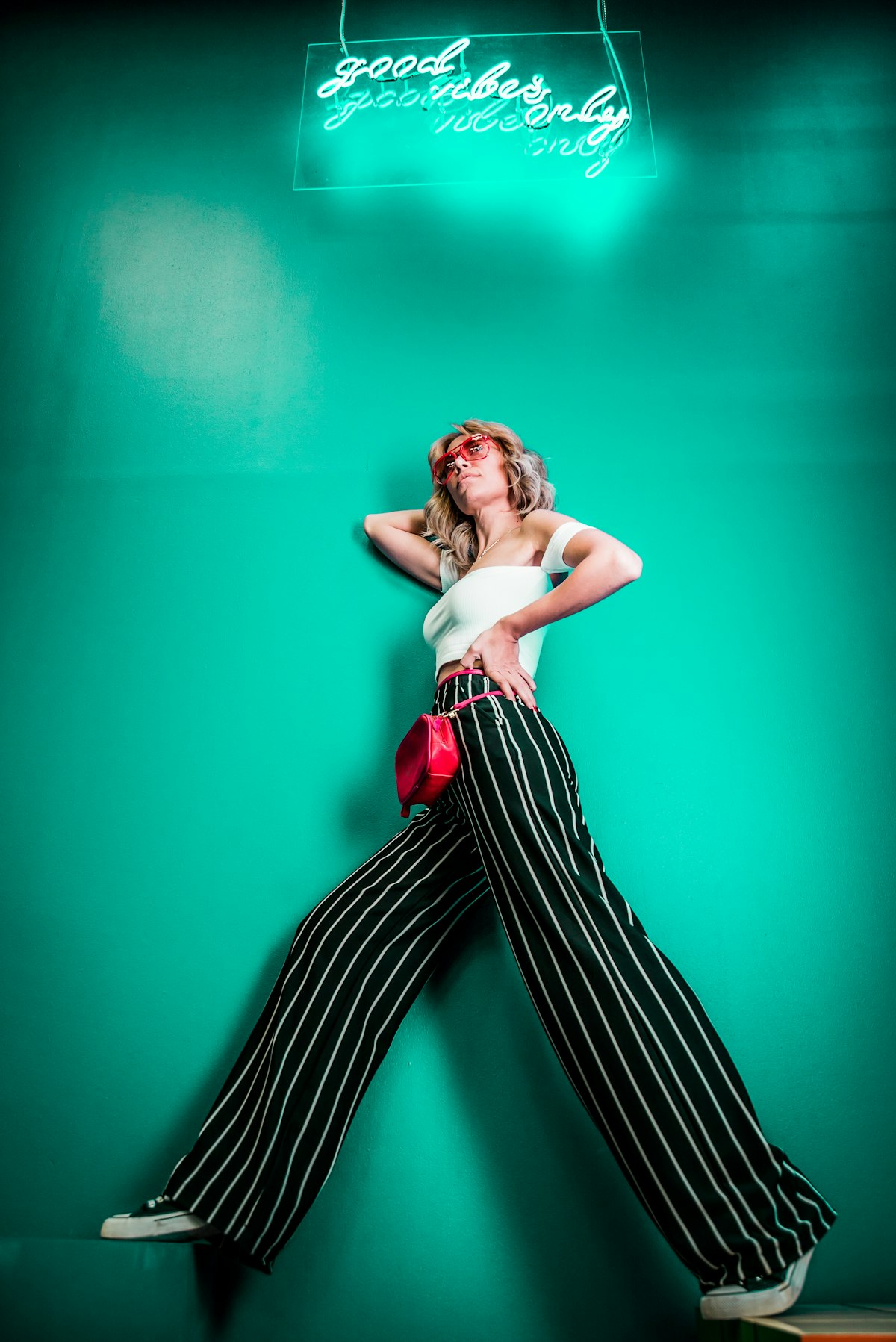
The rule is simple: let one piece be the star. Everything else plays supporting role. You're not recreating 1965 — you're borrowing the best of it and making it yours.
Tailoring Is Your Best Friend
A $5 vintage dress that doesn't fit perfectly becomes a $25 vintage dress that fits like it was made for you (because after tailoring, it essentially was). Budget $15-25 for basic alterations — hemming, taking in a waist, adjusting shoulders — and suddenly that estate sale find looks custom.
Build a Wardrobe That Tells a Story
Every piece of vintage clothing carries a story. The dress someone wore to their daughter's wedding. The coat that kept someone warm through 30 winters. The silk scarf that was a gift from a trip to Paris in 1968.
When you wear these pieces, you become part of that story. You're giving beautiful things a second life instead of letting them end up in a landfill. You're choosing craftsmanship over convenience. You're building a wardrobe that's impossible to replicate because it was never mass-produced in the first place.
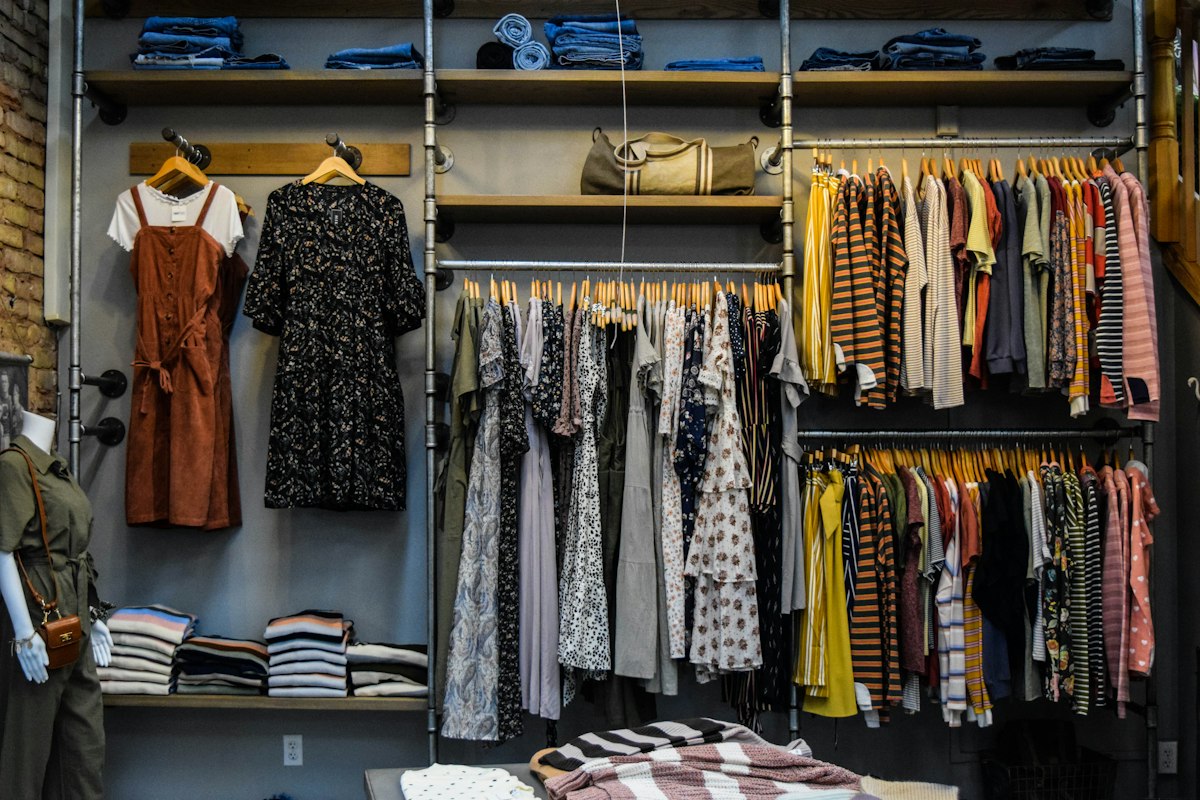
The next time you see an estate sale listing that mentions clothing, go. Bring cash. Arrive early. Open every closet door. Run your hands along the fabrics. Check the labels. And when you find something that makes your heart beat a little faster — something silk, something hand-stitched, something that feels like it was waiting for you — buy it.
It might only cost $3. But the way it makes you feel? That's worth everything.
Keep exploring
Ready to start your own treasure hunt?
Discover estate sales near you and find incredible deals.
Explore Sales Near Me
About the author
Andy
Founder, EstateSaleFinder.net
Hi, I'm Andy — a retired commercial photographer turned developer with a five-year (and counting) obsession with estate sales. I started EstateSaleFinder.net because I knew there had to be an easier, smarter way to find and list estate sales. Now I get to chase treasure and build the tool I always wished existed.