Why 90% of Local Buyers Will Never Find Your Antique Booth (And the Fix That Takes 10 Minutes)
A buyer in your city searched for exactly what you carry last Saturday. They couldn't find your booth. They bought from someone on Etsy instead — and paid shipping. Here's why this keeps happening, and how to stop it.
Last Saturday, 47 people in your city searched Google for something you have in your booth right now. Vintage Pyrex. Mid-century lamp. Stanley plane. Costume jewelry. A specific Fiestaware color. Whatever your specialty is — they searched for it.
You got zero of those buyers.
They drove to two malls and gave up. They scrolled Etsy and bought from someone in Ohio. They paid shipping on something you have for less, three miles from their house. Some of them just closed the tab.
Booth dealers, note: referring one other Booth Max seller earns you $10 a month for as long as they stay.
This isn't a personal failing. It's a structural problem with how antique booths exist online — which is to say, they basically don't. Here's exactly why this keeps happening, and the fix that solves it.
The Discovery Gap Nobody Talks About
Walk through how a modern buyer actually shops before they drive anywhere:
- They Google "vintage Pyrex Nashville" or whatever they're looking for.
- They scroll Facebook Marketplace.
- They check Etsy.
- They check eBay.
- Then they consider driving somewhere.
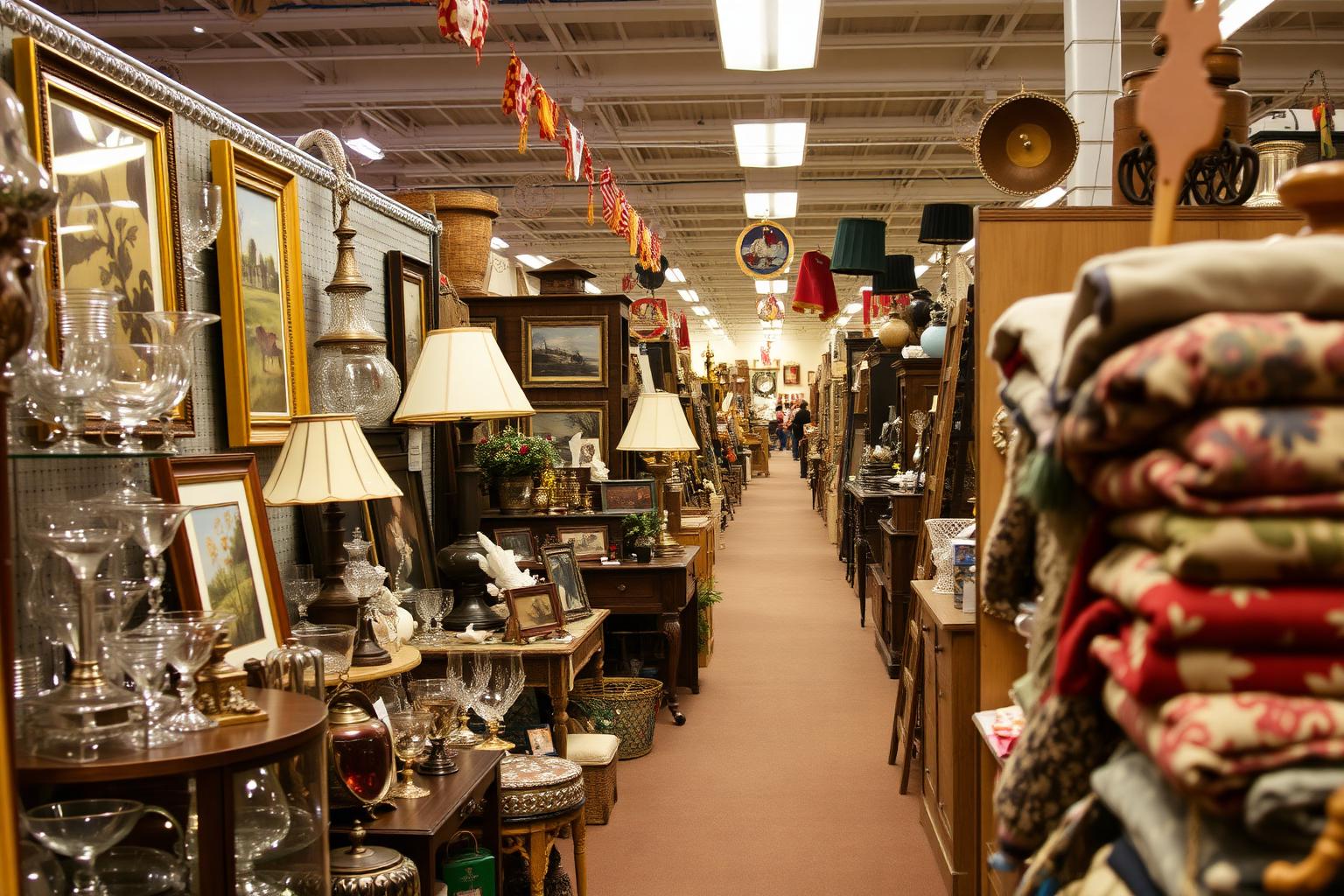
Notice what's not on that list: the website of any antique mall in your city. Because antique mall websites — even the well-designed ones — don't list individual booth inventory. They show a homepage, hours, address, maybe a few stock photos. They do not show what's in the building today.
So the Google search returns nothing relevant locally. The Facebook and Etsy results are out-of-state sellers. Your booth doesn't appear anywhere in the buyer's research process. You are invisible to the exact people most likely to walk into your booth and buy.

The Etsy Problem
The buyer found the bowl on Etsy. Seller in Ohio. $65 for the bowl, $22 for shipping. Total: $87.
You have the same bowl — same pattern, same condition — in booth 22 for $45. The mall is three miles from her apartment. Neither of you knew the other existed. She paid 93% more than she had to. You sold nothing.
This is not a rare situation. This is the default situation for most booth sellers in America right now. The buyers who would've bought from you locally — at a better price, with no shipping wait, with the satisfaction of supporting a local seller — instead paid more to a seller in another state because that seller was findable and you weren't.
It's not their fault. It's not your fault. It's a structural gap that everyone has accepted as normal because no one has fixed it. Until recently.
What Discoverability Actually Requires
For a booth to be findable by local buyers, three things have to be true:
- A searchable item listing. Each item needs to exist online with the right keywords — the maker, the pattern, the era, the category — so that buyer searches surface it.
- A connection to your physical location. The listing has to be tied to a real address, in a city, so local search ("near me," "Nashville," "Atlanta") finds it.
- Updated inventory. Items that sold last week shouldn't show up in this week's results. The list has to reflect what's actually in the booth right now.
Building all three of these from scratch is what most booth sellers think the solution requires — a custom website, an inventory system, SEO work, social media management. That's why most booth sellers don't bother. The cost-benefit doesn't work for an individual operation.
But none of that is necessary anymore.
What the Fix Looks Like
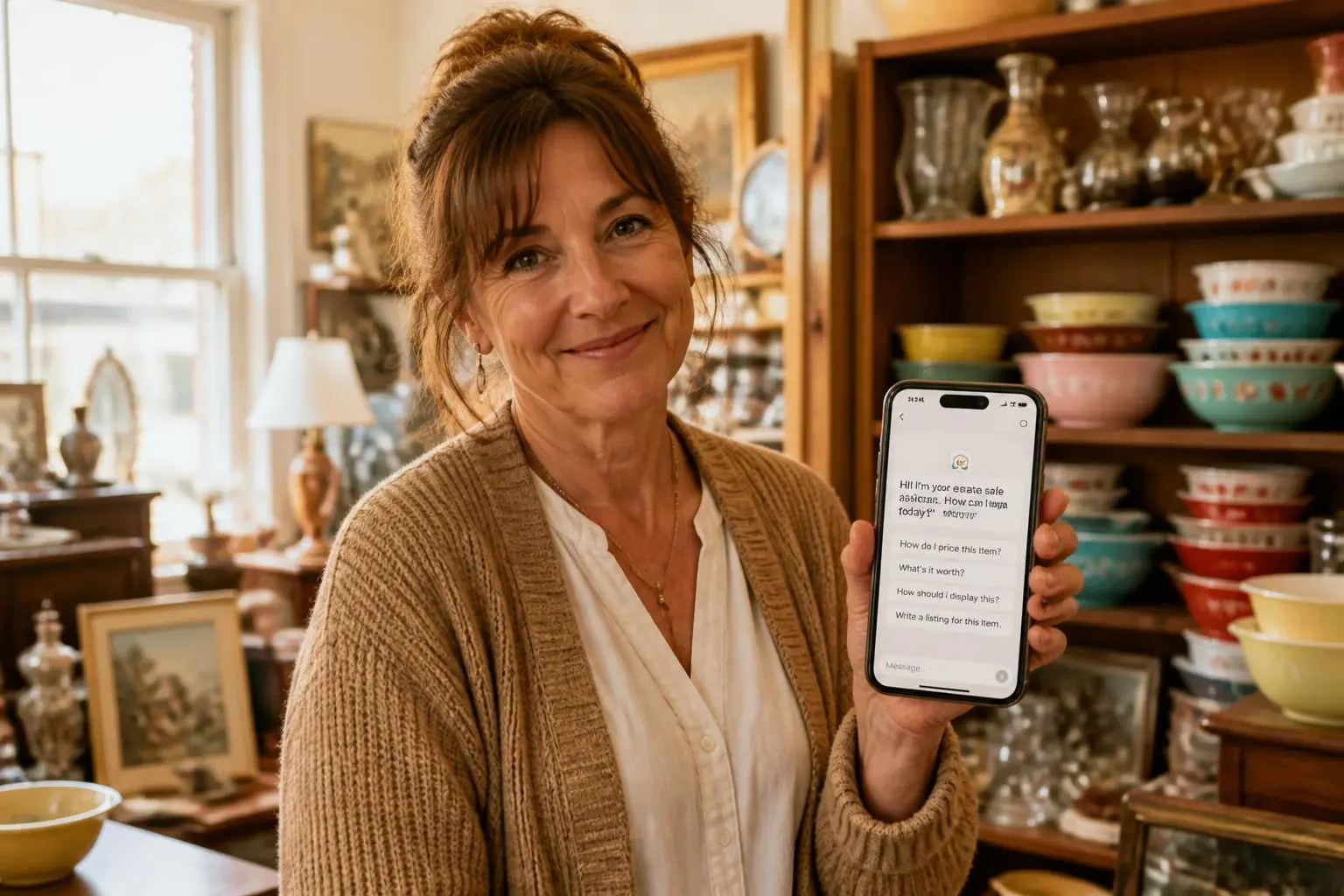
EstateSaleFinder's booth seller profiles handle all three pieces. You list each item with a photo (the Ai identifies what it is and pulls real recent comp pricing). Your profile is tied to your booth number and your mall's address. Items you mark sold disappear from search.
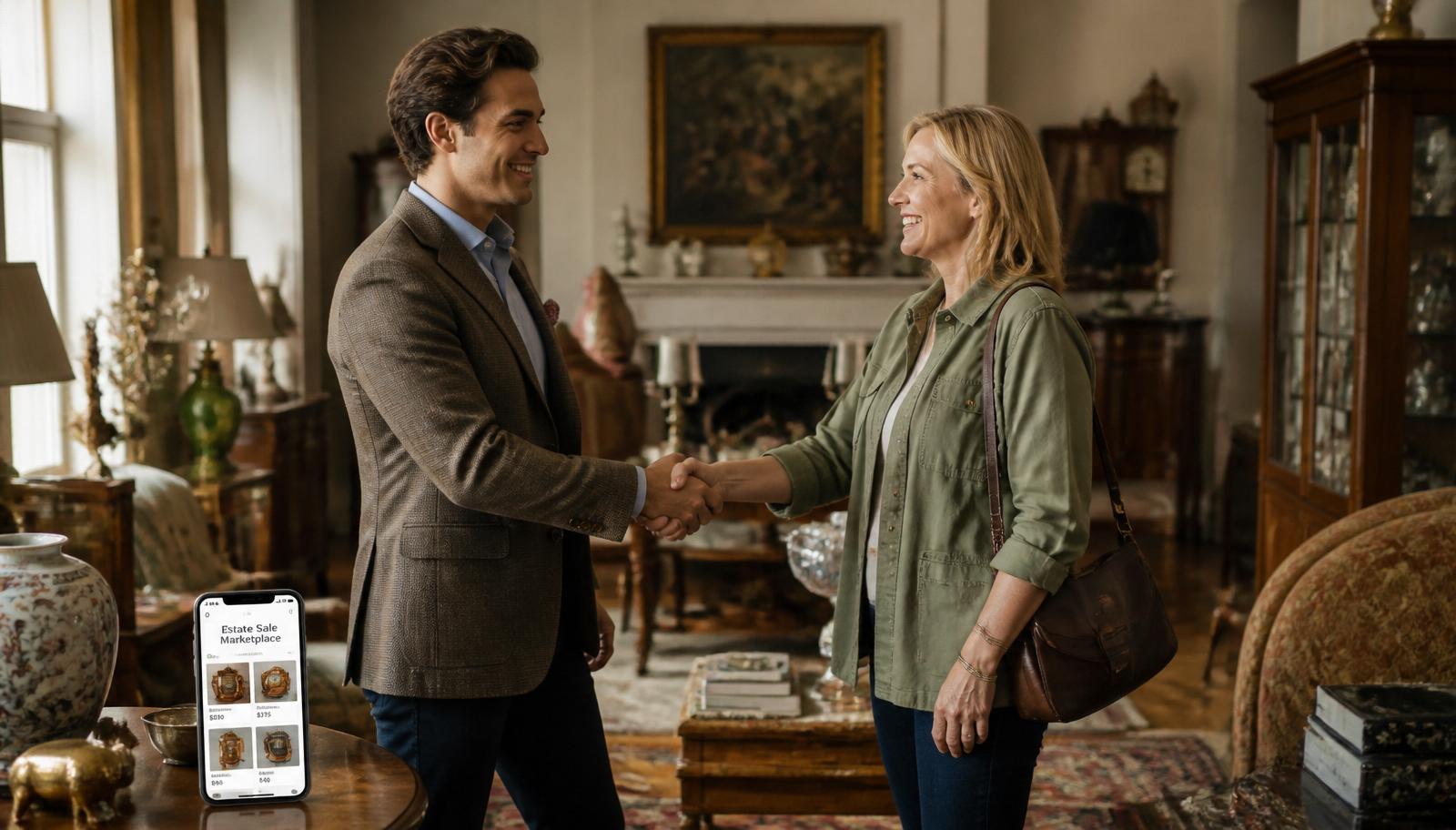
Local buyers searching for what you carry find your booth in their results. They get directions to your specific mall, your specific booth. They walk in and buy.
You don't build a website. You don't manage SEO. You take photos, the system handles the rest. The whole setup takes about ten minutes for the first five items, then maybe 90 seconds per additional item.
That's the fix. There isn't a more complicated version. See what a booth profile looks like →

The Numbers That Put This in Perspective
Most buyers decide whether to visit a sale or shop before they leave the house. That's not opinion — that's the consistent pattern across every survey of antique and vintage shoppers conducted in the last five years. If you're not in the pre-visit search, you don't get the visit.
In a mid-size American city — Nashville, Charlotte, Indianapolis, Portland, Austin — search volume for the obvious vintage and antique categories runs in the tens of thousands of searches per month. "Vintage Pyrex near me," "antique booth [city]," "mid-century lamp [city]," "vintage furniture [neighborhood]." Each of those searches is a buyer who's already decided they want to buy something — they're just trying to figure out where.
The booths that show up in those searches get the buyers. The ones that don't, don't.
What It Costs to Get Found
Free for the first 10 items. No commission on sales. No credit card to start. Flat monthly fee for Pro (unlimited items) when you're ready.
Compare that to the actual numbers on the alternatives:
- Etsy. 6.5% transaction fee + $0.20 listing fee + payment processing + shipping costs that often eat your margin entirely on bulky vintage items.
- eBay. ~13% final value fee + shipping handling + the time cost of packing every sale individually.
- Custom website. $200–$2,000 in setup costs, then ongoing time managing it, then trying to figure out how to actually drive traffic.
Local discovery, with no shipping, no commission, no fee per sale. The buyers come to your booth. You sell at the mall the way you already do. See pricing → or start your booth profile →.
The buyer from last Saturday is searching again this weekend. Will they find you this time?
Keep exploring
Ready to start your own treasure hunt?
Discover estate sales near you and find incredible deals.
Explore Sales Near Me
About the author
Andy
Founder, EstateSaleFinder.net
Hi, I'm Andy — a retired commercial photographer turned developer with a five-year (and counting) obsession with estate sales. I started EstateSaleFinder.net because I knew there had to be an easier, smarter way to find and list estate sales. Now I get to chase treasure and build the tool I always wished existed.