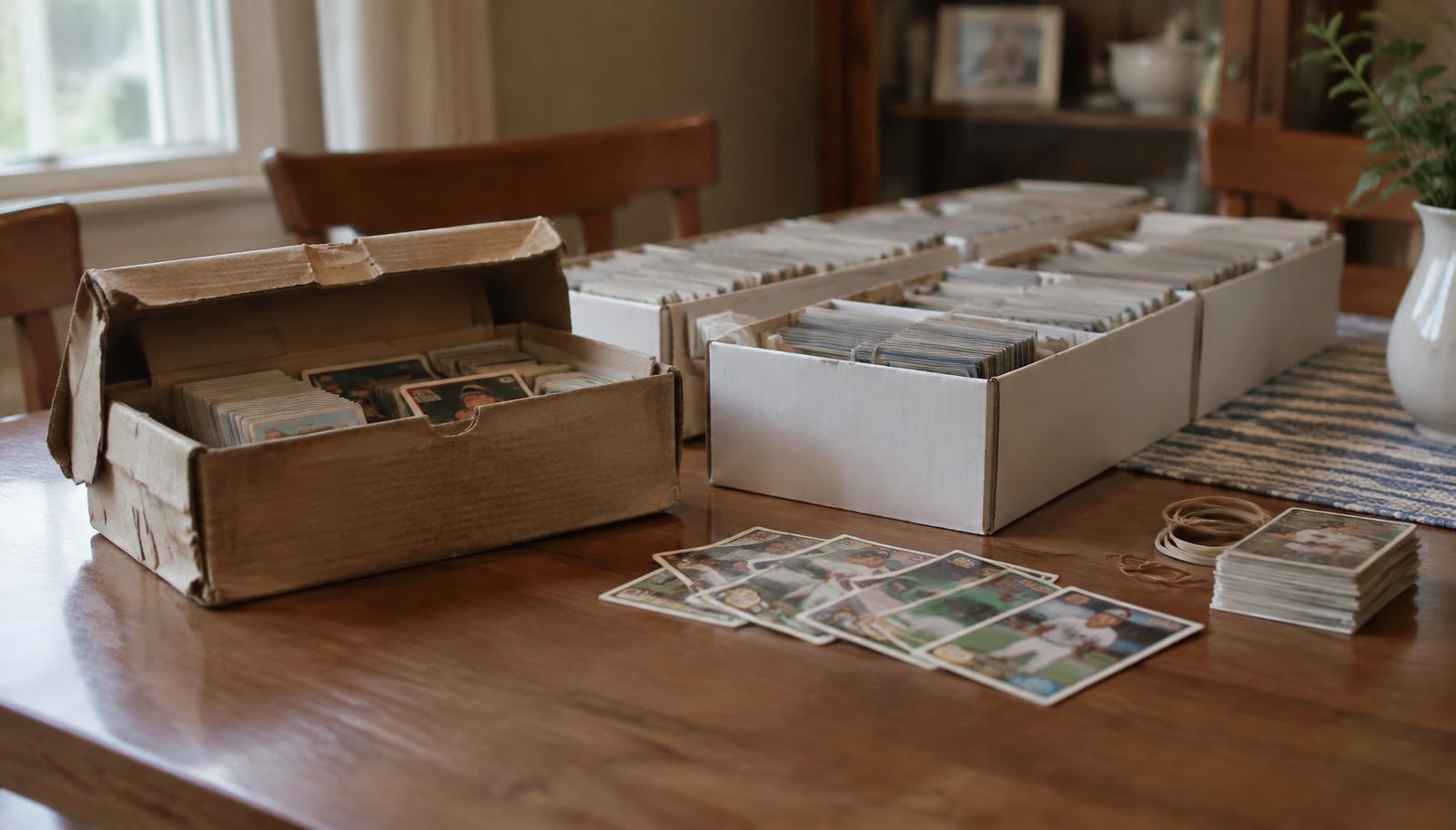

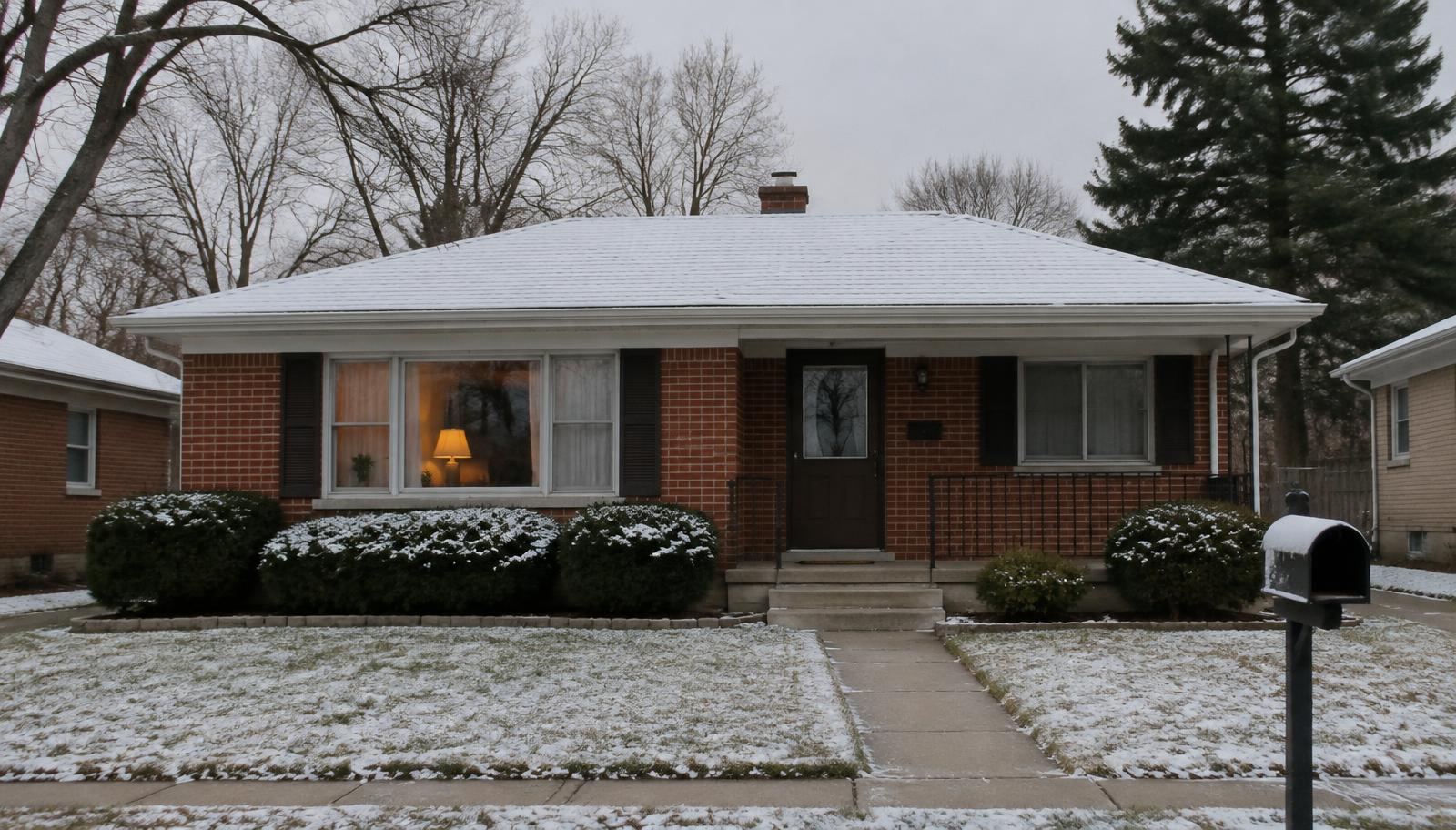
The House Is Empty After a Death: Insurance, Utilities, Winterizing and Security Before the Estate Sale (Executor Checklist)
The first 7 days, the 60-day vacancy rule, a keep-on/cancel/check-weekly board for every utility, winterizing, security, who pays, and a one-page checklist for realtors and attorneys.

In this guide · 13 sectionsShow
- 01Quick summary
- 02What should you do with an empty house after someone dies?
- 03The first 7 days: an executor checklist
- 04How long can a house be vacant before insurance stops covering it?
- 05Which utilities should stay on until the estate sale?
- 06Should I turn off the water in an empty house in winter?
- 07Security: make the house look lived in
- 08Who pays the bills on an empty house after someone dies?
- 09How soon after a death can you have an estate sale?
- 10How an estate sale company shortens the empty period
- 11A one-page checklist for realtors and probate attorneys
- 12Frequently asked questions
- 13Sources
When a house sits empty after a death, the executor should secure it in the first week: change the locks, photograph every room, remove valuables and call the homeowners insurer to report the death and the vacancy. Keep the heat at 55°F or higher, keep power, water and insurance active, and get the house cleared and sold quickly, because many policies cut coverage after 60 days vacant.
This is general information, not legal or insurance advice. Policies and state rules differ. Before you rely on any number here, read your own policy and ask the agent or a probate attorney.
Quick summary
- First 7 days: lock up, photograph, remove valuables and papers, call the insurer.
- Insurance: under the standard ISO HO-3 homeowners form, coverage for vandalism and glass breakage stops after the home is vacant "more than 60 consecutive days," and many insurers' own forms are stricter or use 30 days (4HomeownersInsurance, LegalClarity).
- Utilities: keep heat, electricity, water, trash and insurance. Cancel cable, subscriptions and deliveries.
- Winter: the Insurance Institute for Business & Home Safety says to "set your thermostat to at least 55°F" (IBHS FORTIFIED).
- Who pays: estate funds, with receipts for every bill.
- The fastest fix is a shorter empty period. An estate sale company can clear the contents in weeks, so the house can be listed before the vacancy clock runs out.
What should you do with an empty house after someone dies?
Treat it like a property you're now responsible for, because as executor you are. The house still belongs to the estate, and the estate's value includes the house and everything in it. Your job is to keep both safe until they're sold or passed on.
Most problems with an empty house come from three things nobody notices in time: a burst pipe, a break-in, and an insurance policy that quietly stopped covering the house. The checklist below deals with all three, in the order you'll need it.

The first 7 days: an executor checklist
- Change or re-key the locks. You don't know who has copies: neighbors, caregivers, cleaners, relatives. Keep a list of everyone you give a new key to.
- Photograph and video every room. Open closets and drawers. These photos are your inventory record for the court, for insurance and for siblings. Our guide to probate inventory of household items explains what to record.
- Remove valuables and paperwork. Jewelry, cash, guns, prescription drugs, the will, titles, bank statements, checkbooks and anything with a Social Security number. Store them somewhere secure and write down what you took.
- Call the homeowners insurer. Report the death, say the house will be unoccupied, and ask exactly what changes and when. Write down the name of the person you spoke to and what they said.
- Report the death. The funeral director usually reports the death to Social Security, which notifies Medicare. USAGov lists the other agencies and businesses to notify (USAGov).
- Set up the mail. USPS Hold Mail can pause delivery for a minimum of 3 days and "a maximum of 30 days" (USPS). For longer, forward the mail to yourself so you see bills and statements.
- Walk the outside. Check gutters, doors, windows, the roof and outdoor faucets. Disconnect hoses.
How long can a house be vacant before insurance stops covering it?
Often 60 days, sometimes 30, and it depends on your policy. That's the honest answer.
In the standard ISO homeowners form (HO 00 03), the vacancy limit is 60 consecutive days, and once it passes, the policy no longer covers vandalism, malicious mischief or glass breakage (LegalClarity). Insurers that write their own forms often add water damage or theft and use a shorter limit, so a 30-day clock is common too (4HomeownersInsurance).
Two words matter here, and they aren't the same:
| Word | What it usually means | Example |
|---|---|---|
| Unoccupied | Furniture and belongings are still there, but nobody is living in it | Mom's house in the weeks after the funeral |
| Vacant | Empty of people and most belongings | The house after the estate sale and cleanout |
Adjusters International explains that "vacant" typically means devoid of contents, while "unoccupied" means without occupants but with furniture and personal effects still present (Adjusters International). Policies use the words differently, and that difference decides claims. Ask your agent which word your policy uses and how many days it allows.
What to ask the insurer
- Does the policy stay in force now that the named insured has died? Who is the insured now?
- Does it use "vacant" or "unoccupied," and how many days does it allow?
- Which losses are excluded after that point?
- Do you offer a vacancy permit or endorsement, or do we need a separate vacant-home policy?
- How often does someone need to check the house, and should we keep a log?
- Is the house still covered during the estate sale, with shoppers inside?
Estate sale companies carry their own liability insurance for the sale. Our guide to estate sale company insurance explains what to ask for.
Which utilities should stay on until the estate sale?
Keep the services that protect the house, and cancel the ones that only served the person who lived there. Tap through the board to see each one.
Executor's board · tap a service
Keep on, cancel, or check weekly?
Keep it on, at 55°F or higher, until the house is sold or fully winterized. Frozen pipes are a leading cold-weather claim.
| Service | Keep on, cancel, or check | Why |
|---|---|---|
| Heat or gas | Keep on | Prevents frozen pipes |
| Electricity | Keep on | Furnace, sump pump, timers, sale lighting |
| Water | Keep on, unless winterized | Needed for the sale and showings |
| Homeowners insurance | Keep on | Never let it lapse |
| Trash | Keep on | The cleanout fills the bins |
| Internet, cable, landline | Usually cancel | Unless cameras or a smart thermostat need Wi-Fi |
| Newspaper, subscriptions, deliveries | Cancel | Piles of packages signal an empty house |
| Hold or forward | Hold Mail lasts up to 30 days | |
| Snow and lawn care | Book weekly | Keeps the house looking lived in |
Move the kept accounts into the estate's name, or the executor's name for the estate, rather than closing them. Utility companies will usually ask for the death certificate and the account number.
Should I turn off the water in an empty house in winter?
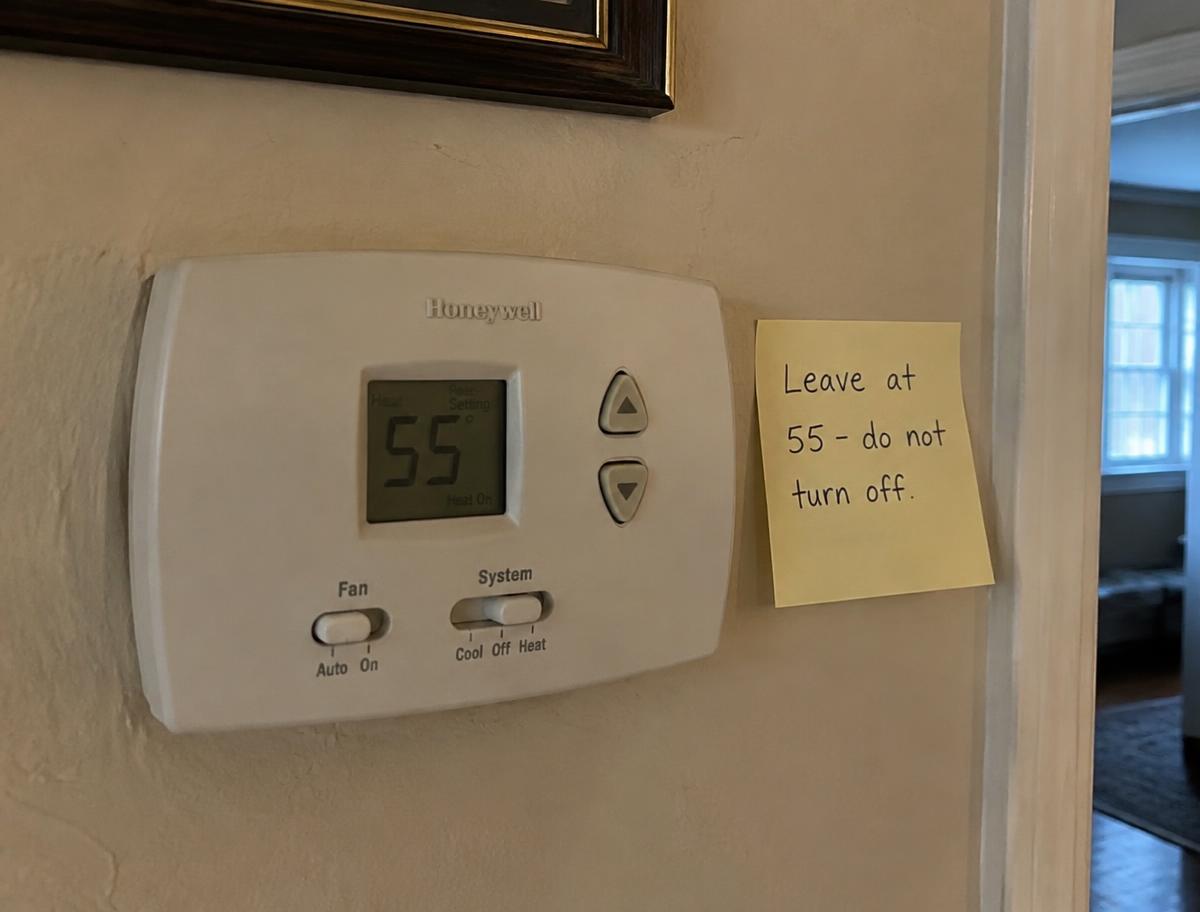
If someone can check the house at least weekly and the heat stays on, most families keep the water on. If nobody can check it during a freeze, shutting the main valve and draining the lines is safer. A plumber can winterize a house properly, including the water heater and any boiler.
Either way:
- Keep the heat at 55°F or higher, day and night. IBHS also suggests a monitor that alerts you if the temperature drops below 55 (IBHS FORTIFIED).
- Open the cabinet doors under sinks so warm air reaches the pipes (IBHS FORTIFIED).
- Drain and shut off outdoor faucets. The Red Cross says to close the inside valve to the hose bib and leave the outside one open so leftover water can expand (American Red Cross).
- Know where the main shut-off is, and tag it so a helper can find it fast.
- Southern houses aren't safe either. IBHS warns that arctic air can still freeze pipes where hard cold is rare, and that plumbing on exterior walls is common in the South (IBHS).
The stakes are real. State Farm says it paid more than $432.5 million on frozen-pipe claims in 2023, with an average claim of just over $23,500 (State Farm).
Security: make the house look lived in
- Put two or three lamps on timers, in different rooms and at different times.
- Keep the outside tidy: shoveled walk, cut grass, no flyers on the door.
- Ask a neighbor to watch for cars and lights, and give them your number.
- Don't announce it. Leave the address out of the obituary and social posts, and don't post that the house is empty.
- Consider a camera or a simple alarm if valuables are still inside. A camera won't help if nobody watches the alerts.
- Keep a visit log. Date, who went, what they checked. Insurers may ask for it.
When the estate sale is advertised, the company handles the timing. Good companies publish the general area and post the street address only shortly before the sale, and keep the house locked between sale days.
Who pays the bills on an empty house after someone dies?
The estate does. Utilities, insurance, property taxes and lawn care for a house the estate owns are generally estate expenses, paid from the estate's bank account once it's open. Don't pay them from your own account if you can avoid it; if you must, keep every receipt so you can be reimbursed. Keep the estate's money separate from your own, and keep records. If there's a reverse mortgage, the lender's deadlines apply too.
Family members aren't personally responsible for the person's debts just because they're related. Ask the probate attorney before paying anything that isn't clearly protecting the house.
How soon after a death can you have an estate sale?
As soon as the person handling the estate has the authority to sell. That usually means the court has appointed the executor, or a trustee controls the items through a living trust. Once you have that, most companies can schedule a sale within a few weeks, depending on the season.
Before the sale, let family take what they've agreed to take, in writing. Our guide to dividing a parent's belongings among siblings can help keep that fair.
How an estate sale company shortens the empty period
The biggest cost of an empty house is time. Every extra month adds a utility bill, an insurance question and another freeze to worry about. An estate sale company:
- Sorts, prices and sells the contents in one organized sale, usually over a few days.
- Arranges the leftovers: buyouts, donations or a cleanout, so the house can go to the realtor.
- Uses its own insurance during the sale.
- Brings buyers through listings on sites like EstateSaleFinder, where shoppers can save searches and get alerts.
You can compare estate sale companies near you, read reviews, and ask each about timing. If you're still sorting, our guide to cleaning out a parent's house after a death covers what to keep and what to sell.
A one-page checklist for realtors and probate attorneys
Realtors and attorneys can share this with families. Our realtor's guide to estate sales covers the listing side.
| When | Task | Done |
|---|---|---|
| Week 1 | Change locks; list key holders | ☐ |
| Week 1 | Photograph and video every room | ☐ |
| Week 1 | Remove valuables, guns, drugs, papers | ☐ |
| Week 1 | Call the insurer: report death and vacancy | ☐ |
| Week 1 | Hold or forward mail | ☐ |
| Week 2 | Move utility accounts to the estate | ☐ |
| Week 2 | Cancel subscriptions, cable, deliveries | ☐ |
| Before freeze | Heat at 55°F+; cabinets open; outdoor faucets drained | ☐ |
| Before freeze | Decide: keep water on with weekly checks, or winterize | ☐ |
| Weekly | Visit, check, write it in the log | ☐ |
| Weekly | Snow, lawn, flyers | ☐ |
| Within 30 days | Interview estate sale companies | ☐ |
| Before day 60 | Ask the insurer again about the vacancy deadline | ☐ |
Questions & answers
Frequently asked questions
How long can a house be vacant before insurance stops covering it?
Under the standard ISO HO-3 form, vandalism and glass breakage coverage stops after more than 60 consecutive days vacant. Many insurers use their own forms with 30 days or more exclusions. Read your policy and ask the agent.
What happens to homeowners insurance when someone dies?
The policy usually doesn't end on the day of death, but the insurer needs to know. Call them, report the death and the vacancy, and ask who is now insured and what changes.
Should I turn off the water in an empty house in winter?
If the heat stays at 55°F or higher and someone checks weekly, many families keep it on. If nobody can check during a freeze, shut off the main and have the lines drained.
Which utilities should stay on until the estate sale?
Heat, electricity, water, trash and insurance. Cancel cable, subscriptions and deliveries.
Who pays the bills after someone dies?
The estate pays bills for the estate's house, from the estate account. Keep receipts if you pay anything yourself.
How soon after a death can you have an estate sale?
Once the executor or trustee has authority to sell. Most companies can then schedule a sale within a few weeks.
Sources
- 4HomeownersInsurance: Vacancy and unoccupancy exclusions (Oct. 2026)
- LegalClarity: Occupancy Clause in Property Insurance (May 2026), citing the ISO HO 00 03 05 11 form
- Adjusters International: Vacancy/Occupancy Clauses
- IBHS FORTIFIED: Defend Against Frozen Pipes
- IBHS: Winter Weather Ready guide (Nov. 2024)
- American Red Cross: Frozen Pipes
- State Farm: Essential tips to prevent frozen pipes (Dec. 2024)
- USPS: Hold Mail, The Basics
- USAGov: Agencies to notify when someone dies
Sources checked November 24, 2026. Photos are AI-generated illustrations. This guide is general information, not legal or insurance advice; your policy and state law decide what applies.
Keep exploring
Ready to start your own treasure hunt?
Discover estate sales near you and find incredible deals.
Explore Sales Near MeAbout the author
Andy
Founder, EstateSaleFinder.net
Hi, I'm Andy — a retired commercial photographer turned developer with a five-year (and counting) obsession with estate sales. I started EstateSaleFinder.net because I knew there had to be an easier, smarter way to find and list estate sales. Now I get to chase treasure and build the tool I always wished existed.