
Landlord file · Rental guide
A Tenant Died. Now What? What Landlords Can Legally Do With the Belongings, How Long to Wait, and When an Estate Sale Beats the Dumpster
November 18, 20269 min readSource-checked guide

A tenant died. What can a landlord do with the belongings? How long to wait in Texas, Florida and California, who has authority, and when an estate sale helps.
When a tenant dies, the landlord can't just empty the unit. Secure it, photograph everything, and wait for someone with legal authority, usually the executor. Each state sets its own wait: Texas allows discarding after 30 days' certified notice, and Florida allows taking the unit back after 60 days. Then an estate sale often beats the dumpster.
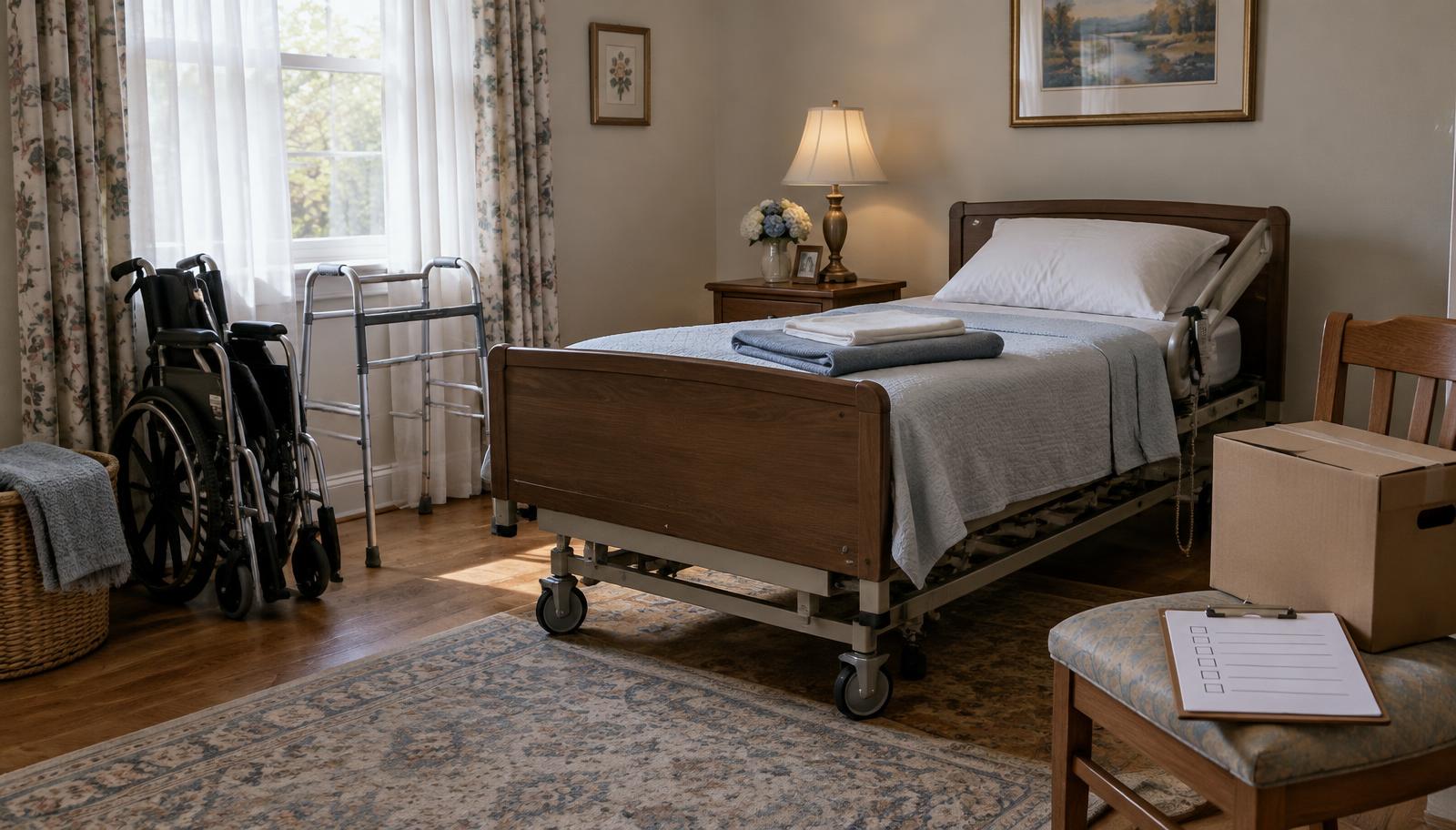
The phone call usually comes from a neighbor, a relative or a wellness check. A tenant has died, and the unit is full: a recliner, a bookcase of paperbacks, a kitchen of dishes, a closet of clothes, and maybe a cabinet of things the family never knew were there.
The landlord wants the unit back. The family wants time. And almost everyone's first idea, calling a junk crew, is the one most likely to get a landlord sued.
This guide is for landlords, property managers and the realtors who handle rentals. It covers what you can and can't do with a deceased tenant's belongings, how long the law makes you wait in three example states, and why selling the contents through an estate sale is often the fastest way to an empty, rentable unit that keeps everyone happy.
This is general information, not legal advice. Laws change, and your lease, your state and sometimes your city decide. Talk to a local landlord attorney before you remove anything.
Can a landlord throw away a deceased tenant's belongings?
Not right away, and in most states not without notice. The belongings now belong to the tenant's estate, not to the landlord. Until the law's waiting period runs out, or someone with legal authority gives written permission, throwing them out can make the landlord pay for them.
The details vary a lot from state to state. Here are three real examples:
Three state examples · checked Nov 2026
How long before belongings can go?
- Day 0Sole occupant dies. The landlord may remove and store the belongings.
- Any timeHand them over to the tenant's named contact, or anyone legally entitled, if they ask before anything is thrown out. You may ask them to sign an inventory.
- NoticeSend written notice by certified mail, return receipt requested, to the named contact.
- Day 30+Only if no one asked for the belongings within 30 days of that notice may the landlord discard them.
Source: Texas Property Code §92.014. Examples only, not legal advice. Your lease and local law decide.
In Texas, the law is unusually specific. When the sole occupant dies, the landlord may remove and store the belongings. They must hand them to the tenant's named contact, or anyone else legally entitled, if asked before anything is thrown out. They may discard them only after mailing written notice by certified mail and waiting 30 days with no request, according to Texas Property Code §92.014.
In Florida, the death alone doesn't end the landlord's duty to wait. Florida Statute §83.59(3)(d) lets the landlord take the unit back only when the last remaining tenant has died, belongings are still there, rent is unpaid, at least 60 days have passed, and no one has told the landlord in writing about a probate estate or personal representative. Under §83.67, a landlord who removes a tenant's belongings the wrong way can owe actual damages or three months' rent, whichever is more.
In California, the general rules for property left behind (Civil Code §1983) require written notice describing the belongings, with a claim deadline at least 15 days after hand delivery or 18 days after mailing. After the deadline, belongings worth more than about $700 must go to a public sale; those worth less may be kept, sold or thrown out, as the Legal Aid Foundation of Los Angeles explains. When a tenant has died, California landlords usually also deal with the estate's executor directly.
| State example | Law | The wait | Checked |
|---|---|---|---|
| Texas | Property Code §92.014 | 30 days after certified-mail notice to the named contact | Nov 2026 |
| Florida | §83.59(3)(d), §83.67 | 60 days after death, rent unpaid, no written word of an estate | Nov 2026 |
| California | Civil Code §§1983–1988 | Claim deadline 15 days (handed over) or 18 days (mailed) | Nov 2026 |
The first 48 hours: secure the unit, not the stuff
The first two days set up everything that follows. Most legal trouble comes from well-meaning steps taken too early: a relative given a key, a nice lamp "set aside," a dumpster ordered before anyone with authority signed off.
Landlord's first 48 hours
Check off as you go
The most important rule: don't let a relative take things just because they say they're family. Being the daughter, the emergency contact or the person named in the will doesn't by itself give someone the right to remove property. Ask for:
- Letters testamentary (or letters of administration), the court papers naming the executor, or
- A small-estate affidavit, which many states allow when the estate is small, or
- The tenant's named contact form, if your lease used one. In Texas, landlords can ask tenants to name one in writing ahead of time.
If a relative needs something urgent, like a pet, medicine records or clothes for the funeral, let them in with you or your agent present, write down what left, and have them sign.
Does the lease end when the tenant dies?
Usually not on its own. In most states the lease becomes a debt of the estate, and the estate either keeps paying rent or works out an early end with you. If there's another tenant on the lease, the lease normally continues with them.
Many landlords find that agreeing to end the lease once the unit is empty is cheaper than chasing rent from an estate that may take months to open. Put any agreement in writing with the executor.
Who pays rent after a tenant dies?
The tenant's estate, from the estate's money, not the family personally, unless a relative co-signed or was also on the lease. The security deposit goes back to the estate or named contact, less lawful deductions. In Texas, those deductions can include the cost of removing and storing the belongings.
Inventory and photograph everything first
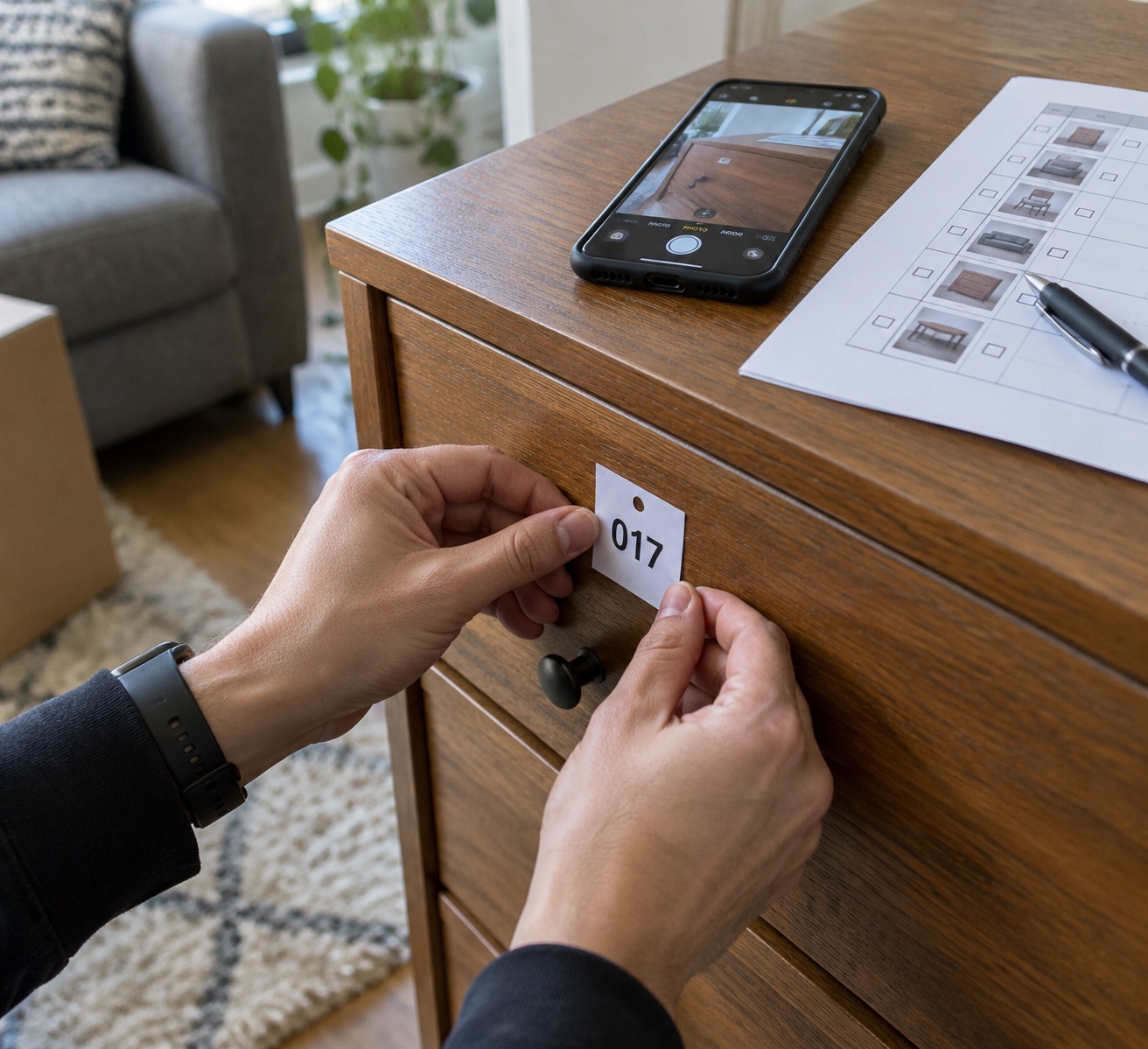
Before anything moves, record it. A good record protects the landlord, calms the family and makes a sale much faster to set up.
- Video first. Walk every room slowly, opening closets and drawers, with the date showing.
- Then photos. One wide shot per wall, then close-ups of anything that looks valuable: jewelry, art, collections, electronics, papers.
- Number big pieces. A simple numbered sticker per item makes the inventory, the photos and any later sale line up.
- Don't sort or throw out. Even "trash" can include papers the executor needs, like bank statements and titles.
- Share the file with the executor in writing, and keep a copy in the tenant file.
Four ways to empty the unit
Once the waiting period has run and the executor agrees, the contents have to go somewhere. There are four realistic choices:
Once the executor says go
Four ways to empty the unit
- Best for
- Full unit with furniture, dishes, art or collectibles
- Typical timing
- Needs the most planning time
- What to know
- The family earns money and the unit gets emptied. Check the building's rules, and sell big pieces ahead through pre-offers so they leave at booked times.
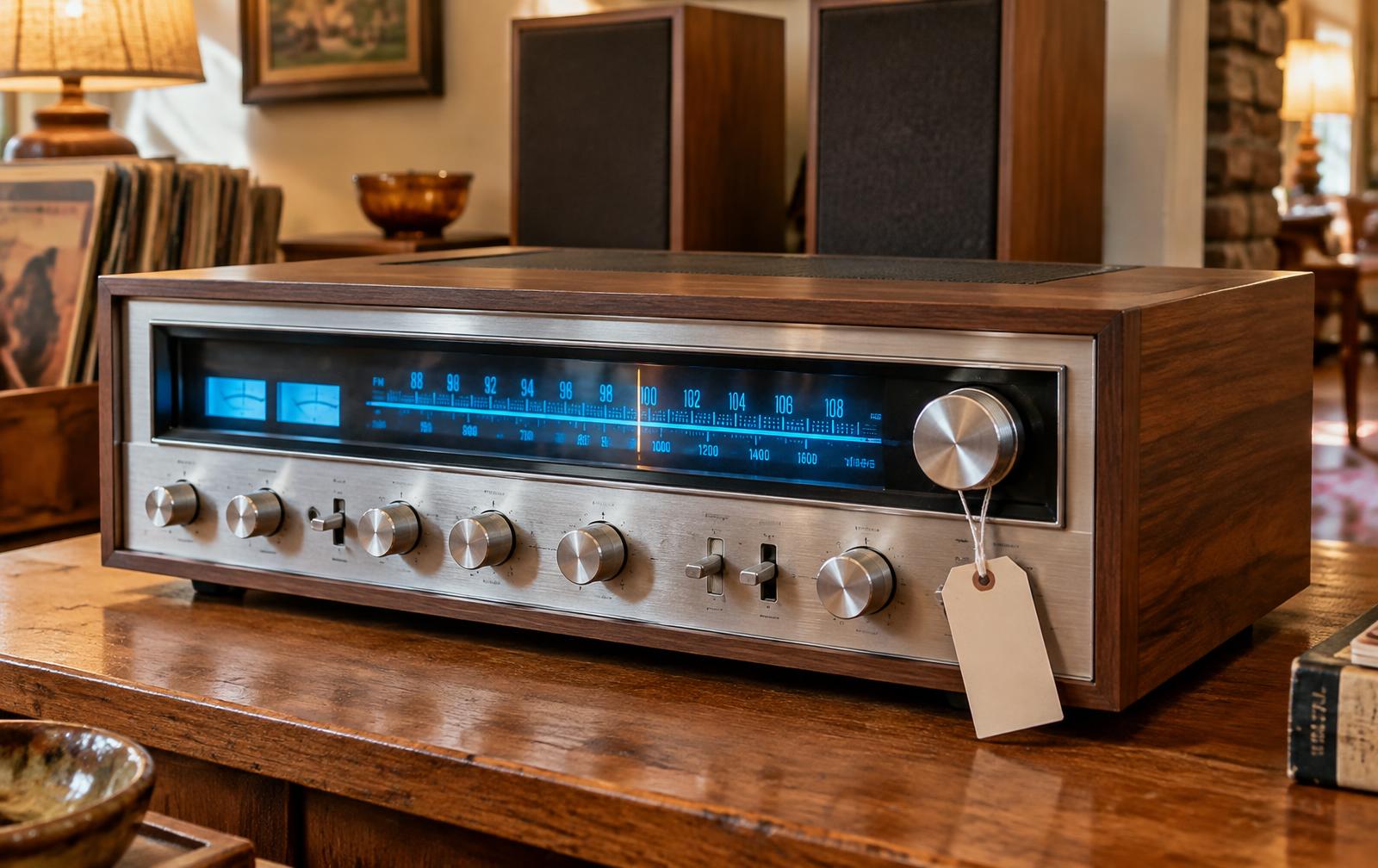
For a full unit with real furniture, dishes and collections, an estate sale often makes the most sense. The family gets money instead of a bill, neighbors and the building see a professional process, and the leftovers are far smaller when the cleanout crew arrives. Our guide to estate cleanout vs. estate sale walks through that choice in more detail.
Can you hold an estate sale in a rented apartment?
Often yes, with the landlord's permission and the building's rules. Shoppers come by appointment, a few at a time, and big pieces can sell before the sale through pre-offers so they leave at booked pickup times. Our guide to estate sales in an apartment or condo covers building rules, elevators and approval.

Why the dumpster is the risky choice
Ordering a dumpster feels fast. It's also the step most likely to cost the landlord money:
- It can break the law. Discarding before the notice period ends can make the landlord pay for what was thrown out. In Florida, that can mean three months' rent at minimum.
- It destroys papers. Wills, titles, account statements and tax records often sit in a drawer. The executor needs them.
- It throws out value. Furniture, jewelry, collectibles and tools that could have paid the estate's last rent go to the landfill. Our list of items secretly worth $500 shows how often "junk" isn't.
- It costs money. A haul-away is a bill. A sale is income, and the leftovers are much smaller afterward.
A checklist for property managers
Keep this in the tenant file template so the next death isn't handled from scratch:
- At move-in, ask every tenant to name an emergency contact in writing and sign permission for that person to enter with you.
- After a death, lock the unit and change nothing else.
- Video and photograph every room before anything moves.
- Write down rent status, deposit, utilities and who you've spoken to, with dates.
- Ask for letters testamentary or a small-estate affidavit before handing over keys.
- Send required notices exactly as your state's law says, and keep proof of mailing.
- Agree in writing with the executor on a move-out date and how the contents will be handled.
- Refer the family to local estate sale companies for a walkthrough.
Realtors who manage rentals can keep a short list of estate sale companies ready, as our realtor's guide to estate sales suggests.
What the family should do on their side
If you're the family, the landlord is not your enemy. Moving quickly and in writing is what gets you the most time.
- Call the landlord within a few days and say who's handling the estate.
- Get the court papers started. Without them, the landlord often can't legally let you take anything. Our after-a-death checklist covers the first steps.
- Ask about rent and a move-out date in writing. Many landlords will end the lease early once the unit is empty.
- Take the papers and keepsakes first, with the landlord present.
- Call an estate sale company for the rest. The company can tell you quickly whether a sale will earn more than it costs. If probate isn't finished yet, see whether you can hold an estate sale during probate.
Questions & answers
Frequently asked questions
Can a landlord throw away a deceased tenant's belongings?
Not right away. The belongings belong to the estate. Most states require written notice and a waiting period first. Texas, for example, requires certified-mail notice and 30 days with no claim before discarding.
How long does a landlord have to keep a deceased tenant's property?
It depends on the state. Texas: 30 days after certified-mail notice. Florida: the landlord can take the unit back after 60 days if rent is unpaid and no one has said there's an estate. California: a claim deadline at least 15 or 18 days out.
Does the lease end when the tenant dies?
Usually not automatically. The lease typically becomes the estate's responsibility, unless another tenant remains on it. Landlords and executors often agree in writing to end it early once the unit is emptied.
Who pays rent after a tenant dies?
The tenant's estate, not the family personally, unless a relative co-signed or was on the lease.
Can family go into the apartment?
Usually only with the landlord or agent present, and to take items they need right away. Removing belongings generally requires court papers naming the executor, a small-estate affidavit, or the tenant's own written permission.
Can you hold an estate sale in a rented apartment?
Often yes, with the landlord's permission and the building's rules. Appointment-style shopping and pre-sold large pieces keep it quiet and quick.
State laws checked November 2026 against the statutes linked above. This is general information, not legal advice.
Keep exploring
Ask companies to walk the unit
Once the executor agrees, local estate sale companies can tell you whether selling the contents will empty the unit faster than a haul-away.
Find an Estate Sale Company
About the author
Andy
Founder, EstateSaleFinder.net
Hi, I'm Andy — a retired commercial photographer turned developer with a five-year (and counting) obsession with estate sales. I started EstateSaleFinder.net because I knew there had to be an easier, smarter way to find and list estate sales. Now I get to chase treasure and build the tool I always wished existed.