
Probate Inventory for Household Items: What to List, How to Value Furniture vs. Antiques, State Deadlines, and When to Call an Appraiser or Estate Sale Company
A practical probate inventory guide for executors: room-by-room listing, grouping ordinary furnishings, date-of-death values, state deadlines, and when an appraiser or estate sale company helps.

In this guide · 10 sectionsShow
- 01What is a probate inventory, and what should it include?
- 02How long do you have to file a probate inventory?
- 03What should you list separately, and what can you group?
- 04How do you value household items for probate?
- 05When does the federal $3,000 expert-appraisal rule apply?
- 06Room-by-room probate inventory guide
- 07How can an estate sale company help with a probate inventory?
- 08Common probate inventory mistakes to avoid
- 09Probate inventory checklist before filing
- 10Probate inventory FAQ
A probate inventory identifies estate property and records its value, usually as of the date of death. For household items, document rooms, describe belongings, separate valuables, and support fair market values with evidence. Filing deadlines, grouping rules, and appraisal requirements depend on the jurisdiction and the type of estate proceeding.
General information, not legal or tax advice. Ask the estate's attorney to confirm the governing law, county requirements, court orders, filing deadline, and valuation procedure before filing or disposing of property. Federal estate-tax reporting is a separate question for the estate's tax adviser.
The hardest part of a household inventory is rarely counting chairs. It is deciding whether those chairs belong in an ordinary-furnishings group, whether the painting above them needs a specialist, and which date the values must describe. Start with documentation, not price stickers.
This guide covers household contents, not a complete inventory of bank accounts, real estate, business interests, or claims. For the broader family decisions, start with what happens to belongings after someone dies. For permission to sell, see selling during probate. Those questions are related, but an inventory is not itself permission to hold a sale.
What is a probate inventory, and what should it include?
An inventory is the estate's identification-and-value record. The required form and scope come from the applicable probate procedure. Texas, for example, requires a verified, full, detailed inventory of estate property within the representative's possession or knowledge, with the qualifications and exceptions in Estates Code §309.051. Florida requires reasonable detail and estimated date-of-death fair market values under Probate Rule 5.340.
Build a detailed working household list before compressing anything into a court form. Recommended fields are item ID, room, description, quantity, ownership question, condition, photograph reference, valuation date, value, evidence, and reviewer. Keep later sale or distribution information in separate columns or a linked ledger.
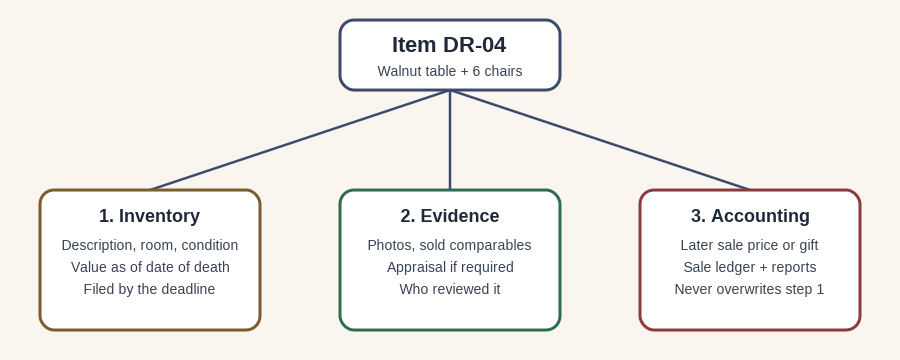
A useful description reads “DR-04, walnut dining table with extension leaf, surface scratches, six matching chairs,” rather than “dining room, good condition.” For an unidentified painting, write what you can observe; do not turn a family attribution into a confirmed artist name. Record uncertainty so the person reviewing the inventory knows what remains unresolved.
How long do you have to file a probate inventory?
There is no nationwide deadline. These are three verified examples, not a fifty-state survey. The triggering event matters: qualification is not interchangeable with death, and issuance of letters is not the date someone first entered the house.
| State or proceeding | Verified filing deadline | Important qualification | Source |
|---|---|---|---|
| Texas | Before the 91st day after the personal representative qualifies | Court may grant longer or require shorter time; §309.056 provides a conditional affidavit-in-lieu procedure | Estates Code §309.051 |
| Florida | Within 60 days after issuance of letters, unless an inventory was previously filed | Court may extend for cause on petition; the rule also addresses service and amendments | Probate Rule 5.340(a)–(d) |
| California | Within four months after letters are first issued to a general personal representative | Court may allow further reasonable time; partial inventories do not remove the overall deadline | Probate Code §8800 |
Texas wording matters
“before the 91st day” is not an instruction to wait until day 91. The affidavit alternative is conditional, not a general exemption from preparing an inventory. Ask counsel whether it applies rather than substituting a homemade affidavit.
California's referee is a separate requirement
§8800 establishes the filing timeline. Under §8902, the representative delivers the inventory and supporting data to the designated probate referee, who appraises property other than property appraised by the representative, subject to statutory exceptions. Ordinary household tangible property generally goes through that referee process; an estate sale estimate does not automatically replace it.
Recommended first step: put the trigger document, deadline, responsible filer, and any extension order in the same folder. Ask the attorney to calculate the actual due date, including applicable time-computation rules. Do not assume that weekends, a pending appraisal, or a busy sale calendar extend it automatically.
What should you list separately, and what can you group?
There is no universal dollar cutoff for state probate grouping. Ask the attorney or referee what the local form accepts. The California Probate Referee Guide permits grouping ordinary household furniture, furnishings, and personal effects unless otherwise required, while calling for separate attention to property of great or unusual value and other specified categories.
Use this decision table as a preparation tool, not a substitute for the court's rules:
| Household category | Recommended working-list treatment | Question before filing |
|---|---|---|
| Ordinary kitchen utensils and everyday dishes | Count and describe a room-based group; keep overview photos | Does this proceeding permit the group and description? |
| Ordinary linens and used everyday clothing | Record sensible groups by room or category | Are any pieces valuable, specifically bequeathed, or disputed? |
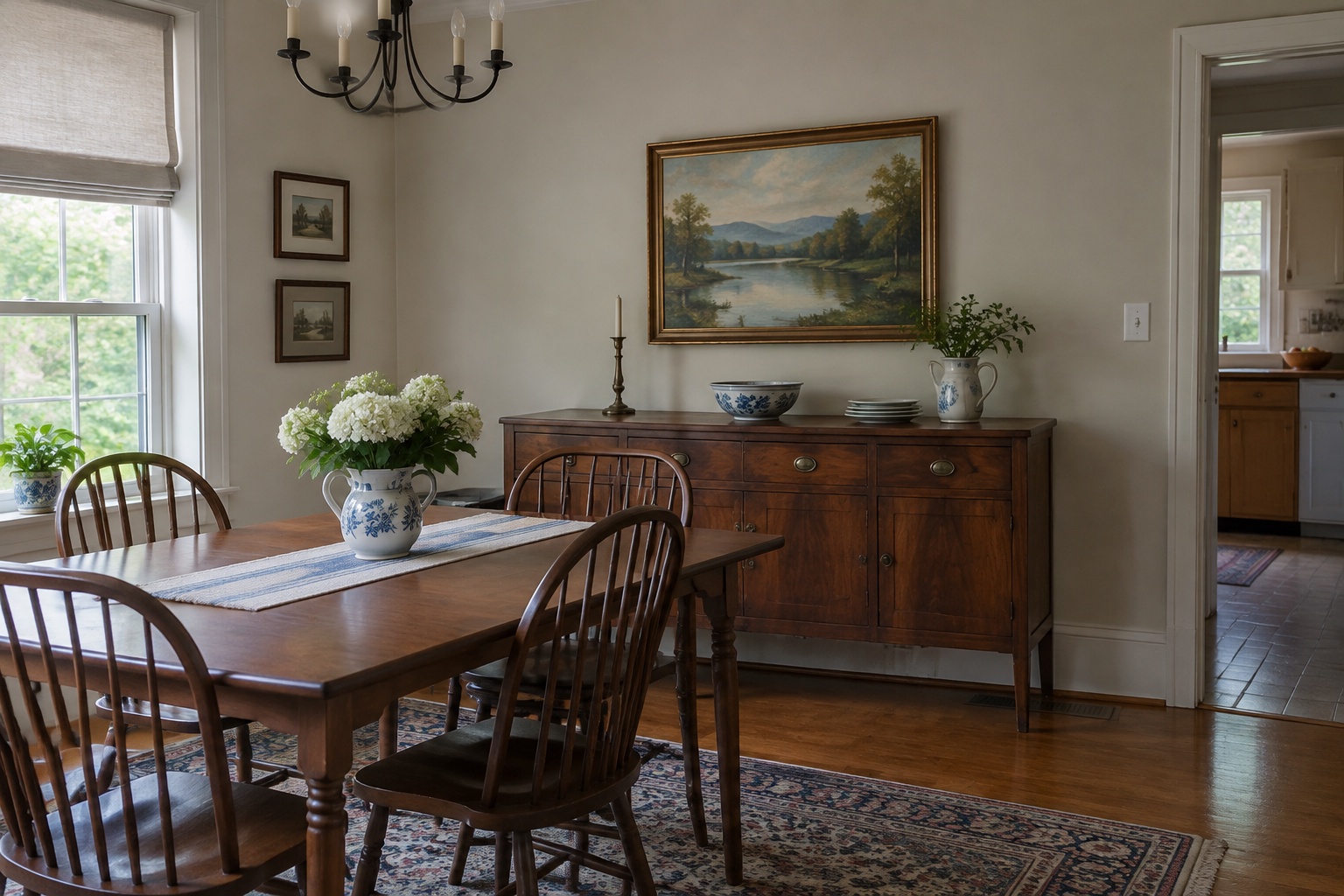
| Matching dining furniture | Identify table, chairs, quantity, maker if known, and condition | Should the set be one entry or several under this form? |
| Jewelry, silver, fine art, rugs, antiques | Give potentially valuable pieces or sets their own IDs and photos | Is specialist identification or a formal appraisal required? |
| Piano, significant musical instrument, distinctive furniture | Record individually with maker, model, serial number where available, and condition | Is a specialist needed to assess the relevant market? |
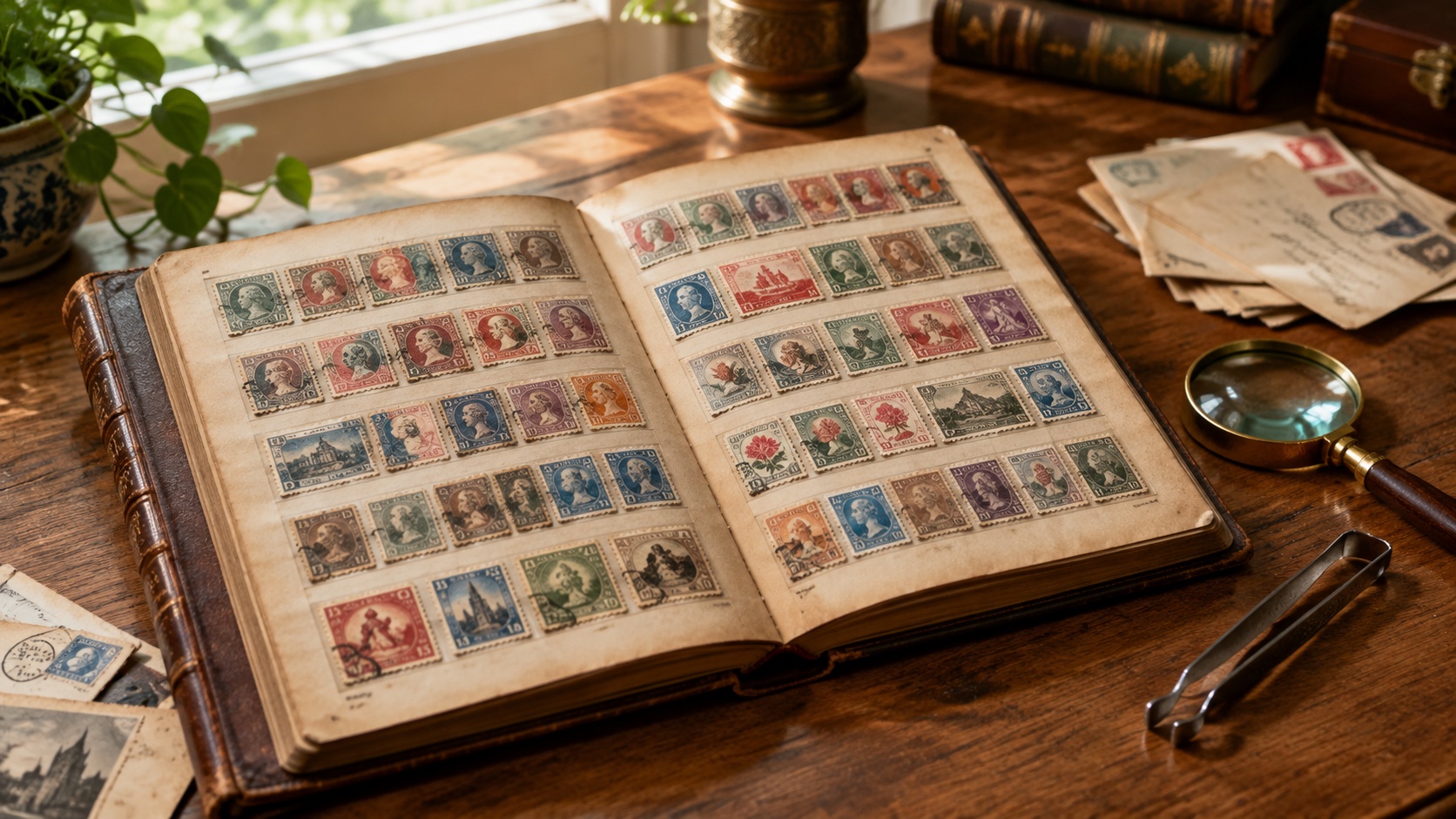
| Coin, stamp, or other collection | Preserve the collection structure and catalogue separately | Should it be valued as lots, sets, individual pieces, or a combination? |
| Specifically gifted or ownership-disputed item | Flag separately even if its likely resale value is low | What do the will, ownership evidence, and attorney require? |
There is also a separate federal estate-tax rule. 26 CFR §20.2031-6(a) says room-by-room itemization is desirable and permits grouping articles in the same room when none has a value exceeding $100. It also describes an appraiser/dealer aggregate-statement alternative. Do not take a state-court grouping practice and assume it satisfies a federal return.
How do you value household items for probate?
Use the valuation date and standard required for the proceeding. Texas §309.051 and Florida Rule 5.340 expressly use fair market value at death. The federal household-effects regulation defines fair market value as the price a willing buyer would pay a willing seller, neither compelled to act and both reasonably informed. See 26 CFR §20.2031-6(a).
Is probate value the same as yard-sale value?
Do not use “yard-sale value” as a legal rule. A used-furniture market may provide relevant evidence, but the required standard is not automatically the lowest price achievable during a rushed cleanout. Federal valuation rules expressly reject a forced-sale measure; see 26 CFR §20.2031-1(b).
Original purchase price, replacement cost, an insurance schedule, and an optimistic online asking price answer different questions. An old receipt helps establish identity and history; it does not establish what an informed buyer would have paid for that used item on the required date.
For ordinary belongings, a recommended evidence file includes descriptions, dated condition photographs, relevant completed transactions, and an explanation of differences. Compare like with like: maker, material, size, completeness, location, condition, and timing. Mark asking prices as asking prices, not sold results. If evidence is weak, flag the gap for review instead of manufacturing precision.
Keep the inventory value and later sale proceeds separate
Hypothetical bookkeeping example—not a price guide
suppose a documented date-of-death valuation assigns a dining set $600. Months later it sells for $480. Record $600 in the historical inventory-value field and $480 in the later gross-proceeds field. Record any commission or other charge separately according to the contract and reporting requirements. Do not silently overwrite the earlier valuation with the sale price.
A later sale can be evidence for a reviewer to consider, but timing, condition, and the selling circumstances need explanation. Ask counsel whether new evidence calls for an amendment. Florida's rule expressly addresses supplemental or amended inventories when property is discovered or a description or value is erroneous or misleading.
When does the federal $3,000 expert-appraisal rule apply?
The brief's dollar figure is real, but its scope needs care. 26 CFR §20.2031-6(b) concerns household and personal effects containing articles of marked artistic or intrinsic value with a total value exceeding $3,000. Examples include jewelry, furs, silverware, paintings, antiques, rugs, and coin or stamp collections.
The regulation requires an expert appraisal under oath filed with the return, accompanied by the executor's statement under penalties of perjury addressing completeness of the itemized list and the appraisers' disinterested character and qualifications. It is not a $3,000-per-item safe harbor. Nor does it mean every probate estate containing $3,001 of ordinary household contents automatically needs that federal attachment.
Do not frame the rule only as “if estate tax is owed.” Ask the tax adviser about the estate's federal return and filing requirements even if no payment is expected. This article does not determine whether a return is required or whether an election should be made.
The same regulation has provisions about disposition before an IRS investigation and about appraiser competence and descriptions. If federal reporting may apply, bring the sale timetable to the tax adviser before scheduling disposal. An online pricing screenshot is not the sworn expert appraisal described in subsection (b).
Room-by-room probate inventory guide
The following is a recommended collection workflow. It deliberately keeps observations separate from legal conclusions and appraisals. Start with wide room photographs, then create item IDs and close-ups. Preserve an untouched photo folder and work from copies when adding labels.
Living room and dining room
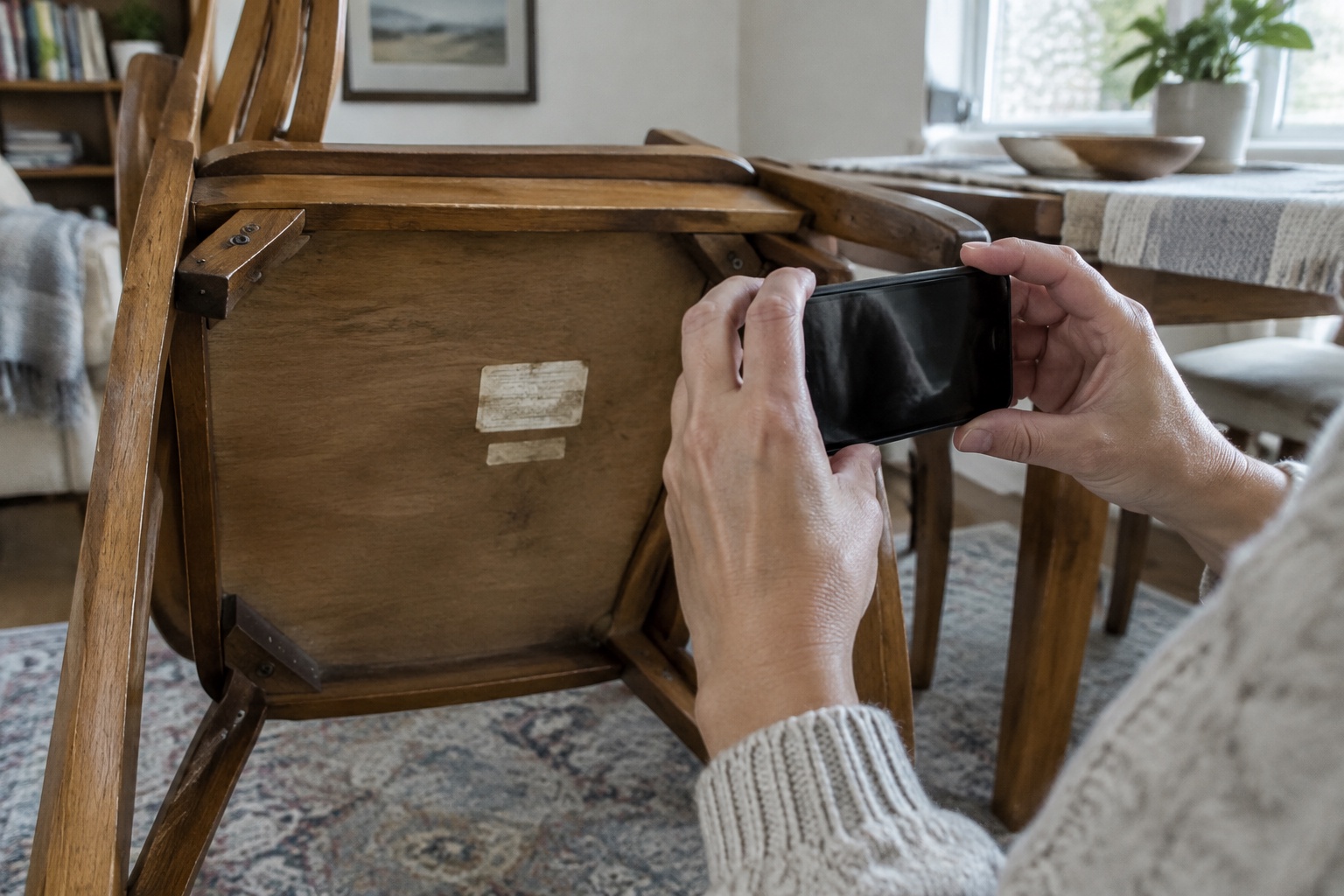
Record seating, tables, cabinets, lighting, rugs, art, and display objects. Photograph maker labels, signatures, backs, undersides, and damage where safely accessible. Keep matched sets together in your notes, but give an uncertain potentially valuable object its own ID. Describe a painting as “oil-like medium, signed lower right” if that is all you know, not as an authenticated work.
Do not polish, repair, or reupholster an uncertain piece just to make inventory photos look nicer. As a practical precaution, ask the appropriate specialist first. Note existing repairs and missing parts so a later reviewer can understand the condition being valued.
Kitchen and pantry
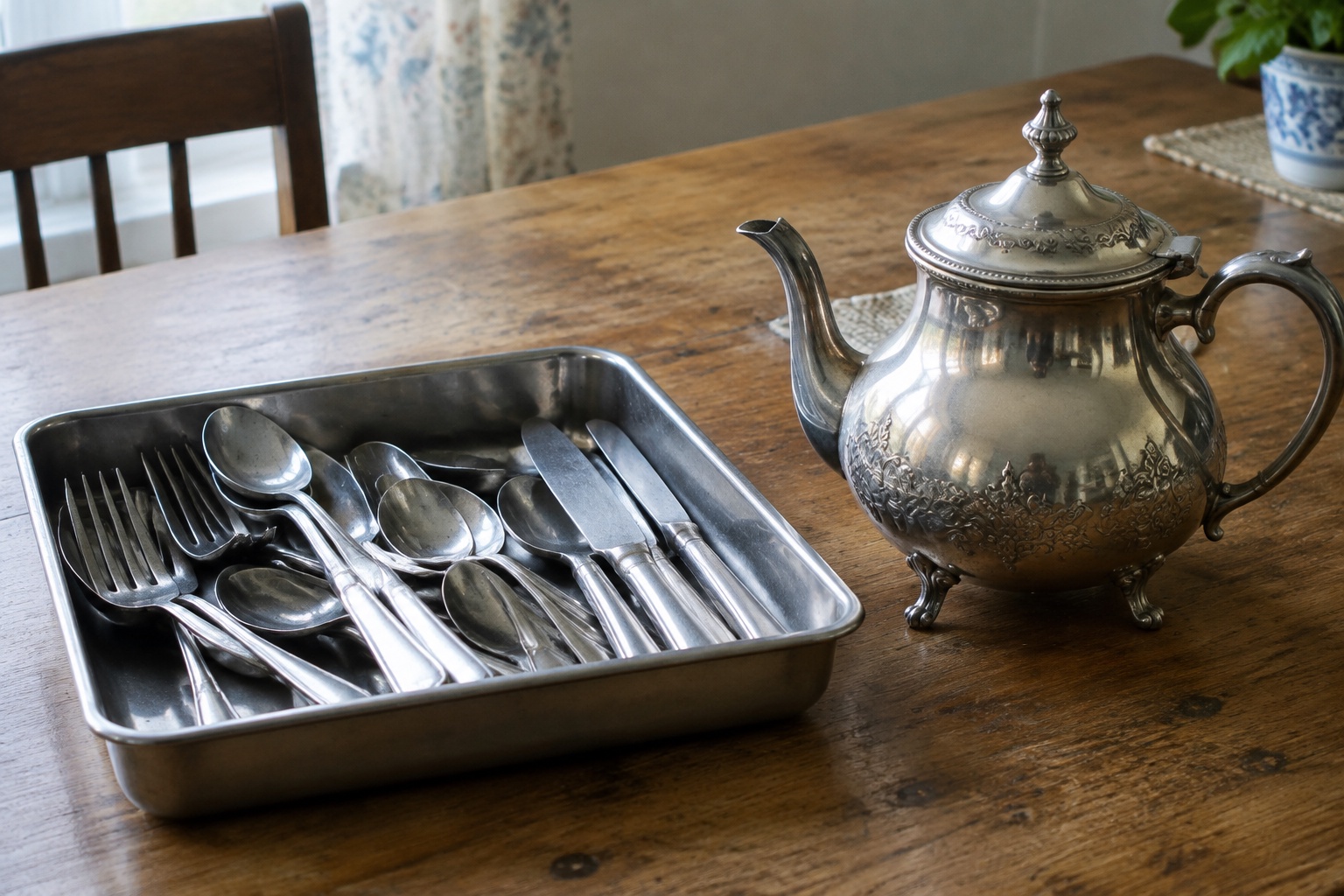
Count ordinary dishes, glasses, cookware, utensils, and small appliances in understandable groups. Separate anything that needs identification: a distinctive tea service, marked silver-colored pieces, unusually valuable cookware, or a collection. Record pieces and condition rather than assigning a material or brand from appearance alone.
A useful working entry might say “K-07, everyday ceramic dinnerware, approximately 40 pieces, mixed patterns, chips on three plates.” That is an example of descriptive detail, not a court-approved grouping formula. Ask the filer whether the final form needs a different breakdown.
Bedrooms, closets, and personal storage
Record beds, dressers, ordinary clothing, linens, jewelry, watches, bags, and small safes. Separate important papers and keys from sale merchandise while preserving their connection to the room where found. Document potentially valuable accessories individually until reviewed; do not assume all closet contents are ordinary used clothing.
Keep sentimental preferences in a separate notes column. “Daughter would like this” is not the same as a completed distribution or a legal determination of who receives it. Questions about authority belong with the attorney; our power-of-attorney and executor guide explains the different roles.
Office, library, and hobby room
Record computers, cameras, instruments, books, and collections with model or edition information where available. Keep collection albums, catalogues, certificates, and purchase records associated with the objects they describe. Do not break up albums or sell a few attractive pieces before a collection specialist can assess the whole.
Photograph documents privately rather than posting them with sale pictures. A family working list may need identifying details that should never appear in a public listing. Record that a device exists without displaying account information or trying to resolve digital-access questions through the inventory itself.
Garage, attic, basement, and off-site storage
Make a separate location list so out-of-sight property is not forgotten. Record tools, equipment, spare furniture, boxes, and collections by location and ID. Note whether equipment was tested; “not tested” is more useful than an unsupported claim that it works.
Create an ownership-review flag for borrowed, leased, rented, or possibly third-party property. Being inside the house does not settle ownership. Ask counsel how disputed or non-estate property should be handled rather than either omitting it silently or automatically including its full value as an estate asset.
How can an estate sale company help with a probate inventory?
A company can be useful for the practical contents workflow: walking through rooms, noticing objects that need specialist attention, organizing saleable groups, and documenting what will be offered. Ask what is included in its service, whether inventory assistance is separately charged, and who will provide any required formal appraisal.
Use EstateSaleFinder's company directory to start conversations. Explain that this is a probate inventory assignment with a court timeline, not just a request to clear the house. Ask whether the company can work from your item IDs and return a usable transaction-level report.
For companies using EstateSaleFinder's tools, walkthrough records and AI item-pricing suggestions can support preliminary organization and research. Treat those suggestions as leads to verify, not court-certified values, authentication, or a substitute for California's referee. Ask the provider to explain the evidence behind a suggested identification or price.
After an authorized sale, ask for the sale ledger and available reports: sold items or documented groups, gross receipts, discounts or refunds where applicable, commissions, other agreed charges, and the amount remitted. Keep that evidence for the person preparing the final accounting. A software report supports the work; it does not guarantee that the court's accounting requirements are satisfied.
For deciding which professional you need, see whether to get an appraisal before an estate sale and how to choose an estate sale company. Ask about qualifications, independence, scope, and the required valuation date before signing.
Common probate inventory mistakes to avoid
- Using the death date as every filing trigger. The verified examples above run from qualification or issuance of letters. Confirm the actual trigger for your case.
- Writing “household goods” without supporting detail. Keep room records and photos even if the accepted filing groups ordinary contents.
- Hiding valuables inside ordinary groups. Flag uncertain art, silver, jewelry, instruments, rugs, and collections for review.
- Substituting insurance replacement values. Explain the required market and valuation date to anyone supplying a value.
- Confusing sale authority with documentation. An inventory does not itself resolve whether you may sell or distribute an item.
- Erasing the earlier record after a sale. Preserve valuation evidence and record later proceeds separately.
- Assuming a private deadline extension exists. An appraiser's delay or company booking does not equal a court order.
- Treating AI output as an appraisal. Verify identification, evidence, and the professional requirements for the proceeding.
Probate inventory checklist before filing
- Confirm the proceeding, representative, trigger date, deadline, local forms, and any court orders with counsel.
- List every relevant household location, including storage and property needing ownership review.
- Photograph rooms, assign IDs, and record descriptions, quantities, condition, and uncertainty.
- Separate potentially valuable, specifically gifted, disputed, and specialist-review items from ordinary groups.
- Confirm grouping rules and the valuation date; retain the supporting evidence.
- Arrange the referee or other required appraisal early enough for review and filing.
- Ask the tax adviser whether federal reporting changes itemization, appraisals, or disposal planning.
- Reconcile totals, check for duplicate groups, and preserve the approved version and filing/service records.
- Keep later sales, expenses, distributions, and newly discovered property in a linked record for professional review.
Probate inventory FAQ
What is a probate inventory?
It is the estate's property-and-value record under the applicable probate procedure. Household contents are only one part. The form, verification, service, filing, and appraisal requirements depend on the proceeding; the Texas, Florida, and California sources above illustrate important differences.
How long do I have to file a probate inventory?
In these verified examples: Texas, before the 91st day after qualification; Florida, within 60 days after letters issue unless already filed; California, within four months after letters first issue to a general personal representative. Court orders, extensions, and procedural exceptions matter. Have counsel calculate your case's date.
How do you value household furniture for probate?
Document the furniture's identity, condition, and relevant market evidence for the required valuation date. Texas and Florida expressly require date-of-death fair market value. Do not equate insurance replacement cost or a rushed liquidation price with the required value; use the prescribed appraiser or referee when applicable.
Do I need an appraiser for every household item?
There is no single national answer. California generally assigns household tangible-property valuation to the referee process, subject to statutory exceptions. Federal reporting has its own itemization and appraisal rules, including the over-$3,000 combined valuable-articles rule. Ask the attorney and tax adviser which requirements actually apply.
Can an estate sale company appraise for probate?
Do not assume its sale-pricing service qualifies. Ask whether the individual has the required expertise, independence, assignment scope, and reporting credentials, and whether the court or tax rules accept that work. A preliminary walkthrough or AI pricing suggestion does not automatically satisfy a formal appraisal requirement.
What happens if I miss the probate inventory deadline?
Contact the estate's attorney promptly about the required filing and available relief. The cited Texas, Florida, and California provisions contain extension mechanisms, but none is permission to ignore the deadline. Do not backdate a document, assume an extension, or conceal missing information; explain the problem and obtain case-specific instructions.
Keep exploring
Need help documenting the house?
Ask local estate sale companies how they handle walkthroughs, item records and sale reports for an executor's final accounting.
Find an Estate Sale CompanyAbout the author
Andy
Founder, EstateSaleFinder.net
Hi, I'm Andy — a retired commercial photographer turned developer with a five-year (and counting) obsession with estate sales. I started EstateSaleFinder.net because I knew there had to be an easier, smarter way to find and list estate sales. Now I get to chase treasure and build the tool I always wished existed.