
How to Tell If a Designer Purse Is Fake at an Estate Sale: Louis Vuitton, Coach, Gucci and More
A practical estate-sale inspection guide for Louis Vuitton, Coach, Gucci and more: a 60-second checklist, what each clue can and can't prove, why date codes aren't proof, and when paid authentication is worth it. Free printable checklist.
To tell if a purse is fake, check four things before you trust any tag: construction (even, straight stitching and clean edges), hardware (heavy metal with crisp engraving), the heat stamp and lining, and whether the code, tag and materials all fit the exact model and era. Warning signs can rule a bag out, but no single clue proves it's real. Serial numbers and date codes are copied by counterfeiters, and Coach says it doesn't authenticate bags for the public, so for a valuable bag, a paid authenticator is the only real answer.
Quick summary
- Look at the bag before the tag. Fakes most often fail on stitching, edges, hardware and stamp quality.
- Codes are a fit test, not proof. A Louis Vuitton date code, Coach creed number or Gucci serial tag should match the model and era. Counterfeits often carry real-looking ones.
- Brands won't confirm it for you. Coach's brand-protection page says: "We do not respond to requests to authenticate product" (Coach).
- Counterfeits are common. U.S. Customs and Border Protection seized 5,132,402 counterfeit handbags and wallets in fiscal 2024, with a combined retail value (if genuine) of about $1.09 billion (CBP FY2024 report, PDF).
- Paid authentication starts around $15 to $30 per bag through photo-based services. It's worth it any time you'd lose real money if the bag turned out fake.
- Free download: a full-page printable checklist, below.
Why fake purses show up at estate sales
Most estate sale companies aren't handbag authenticators, and families often don't know where Mom's bags came from. A closet can hold a genuine 1980s Louis Vuitton bought in a department store next to a vacation souvenir bought from a street vendor. Both end up on the same table.
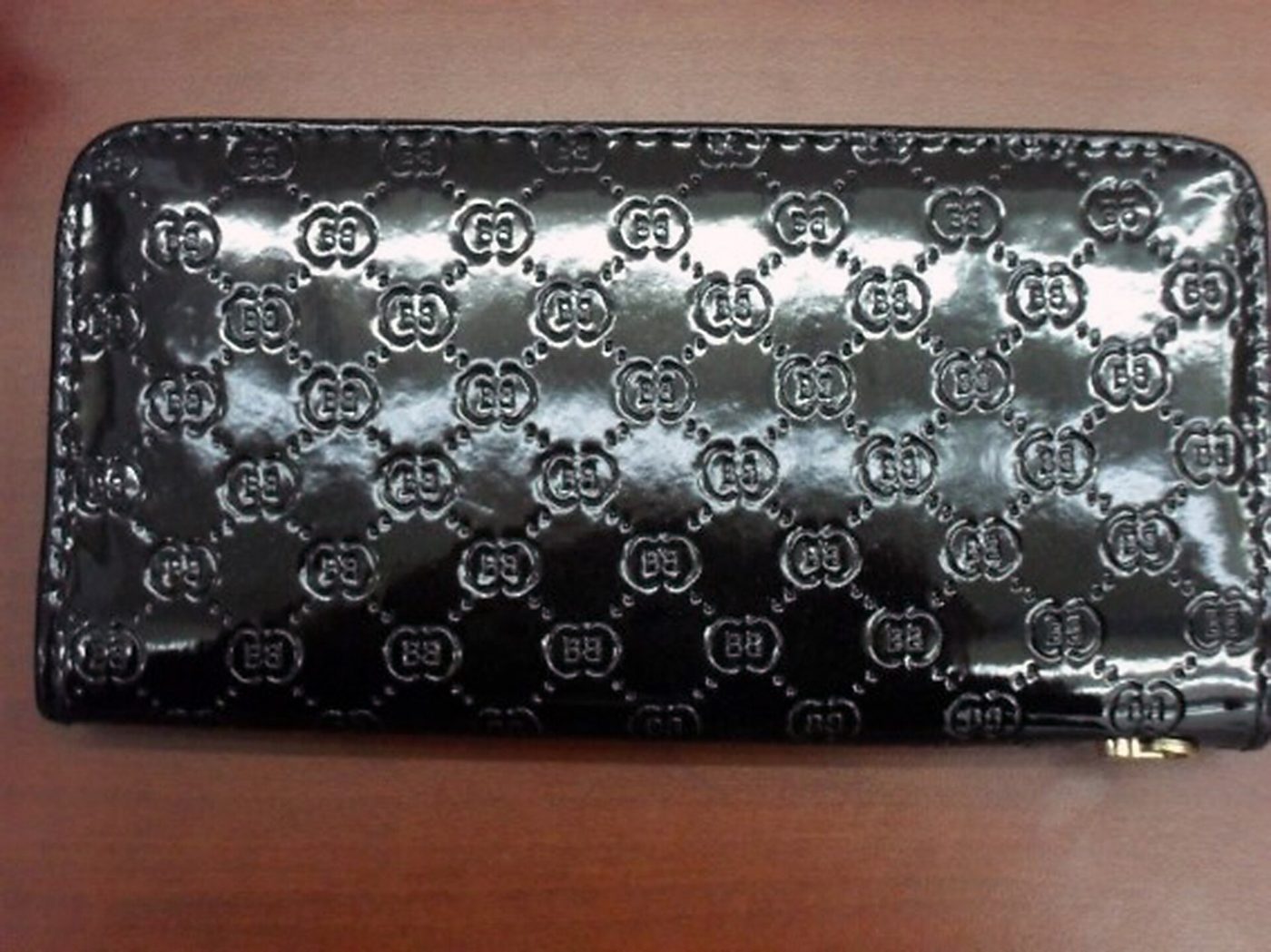
According to CBP, handbags and wallets have been one of the top three counterfeit commodities by retail value for each of the last three fiscal years, behind jewelry and watches (CBP FY2024). Those are only the ones that got caught.
The 60-second estate-sale inspection
Do these in order. If a bag fails an early step, you can usually stop.
- Shape and symmetry. A good bag holds its shape. On patterned canvas, check that the pattern lines up where the model calls for it, and that both sides match.
- Smell. Real leather smells like leather. A strong plastic or chemical-glue smell is a warning sign.
- Stitching. Look along the handles and side seams. Stitches should be even in length and angle, with no loose ends, skips or double-backs.
- Edges. Painted or glazed edges should be smooth and even, not cracked, bubbly or gummy.
- Hardware. Feel the weight. Check that the plating isn't flaking to gray metal, and that any engraving is crisp and evenly deep.
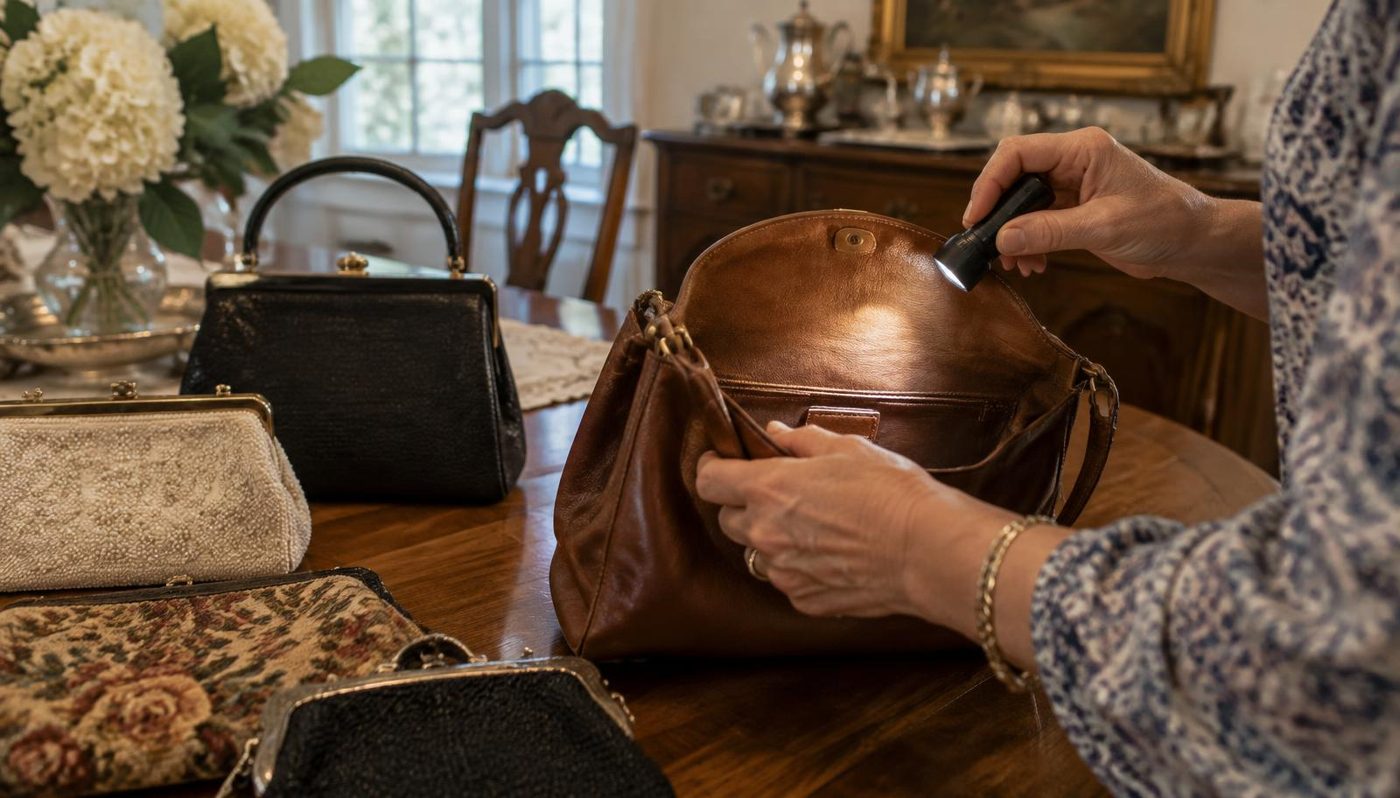
- Heat stamp and lining. Use your flashlight. The brand stamp should be crisp and evenly pressed, with consistent letter spacing. The lining should fit the model and era.
- Code or tag. Find it, photograph it, and check that it fits: the right format for the era, the right country, the right model.
- Accessories. Check whether the strap, charm or dust bag actually belongs with this bag (more on that below).
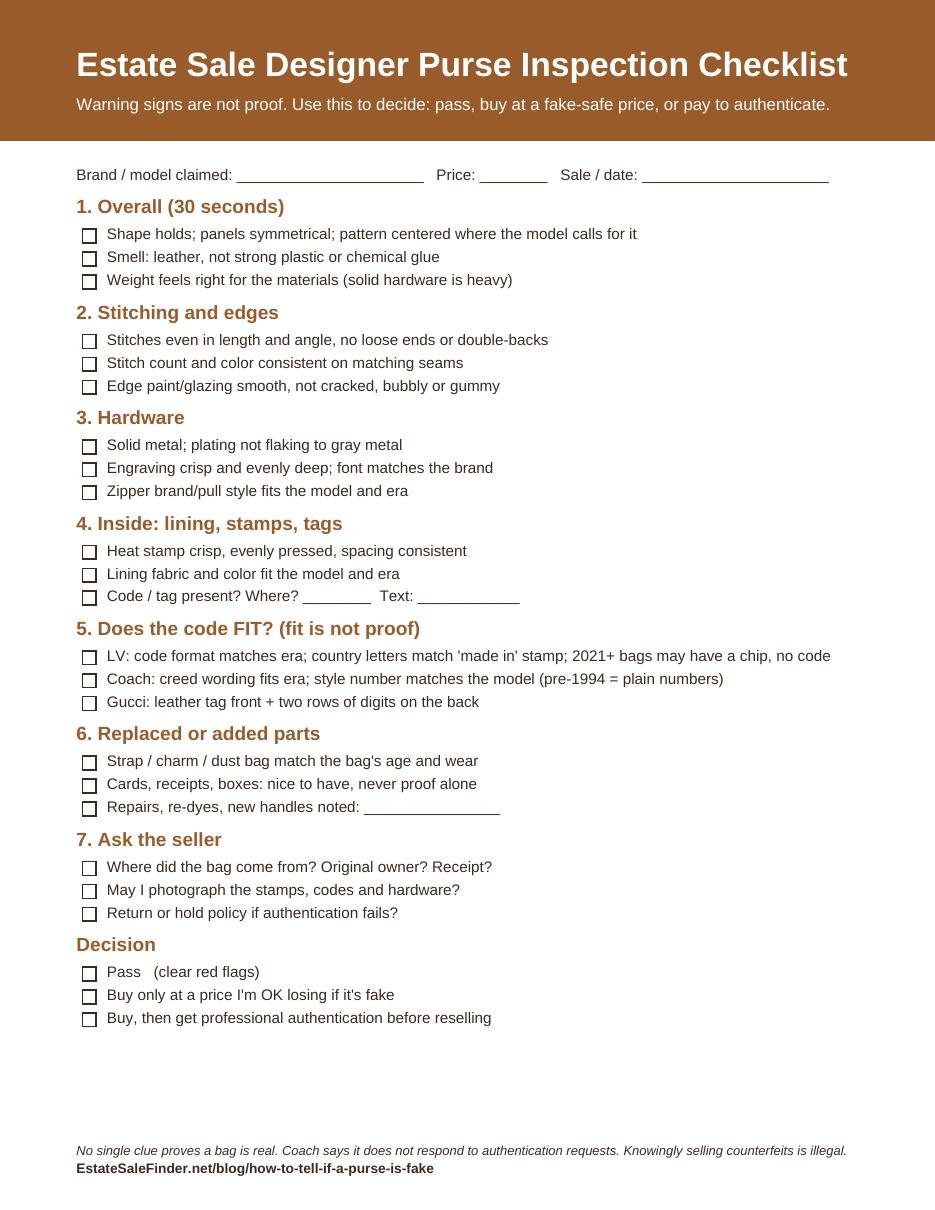
Free printable: Estate Sale Purse Inspection Checklist
A full 8.5 x 11 page with every check in this guide, blanks for the code and price, and a buy/pass decision box.
What each clue can and cannot prove
This is the most important table in this guide. Every clue below can help rule a bag out. None of them alone can prove a bag is real.
| Clue | What it can tell you | What it cannot prove |
|---|---|---|
| Stitching | Sloppy, uneven or loose stitching is a strong warning sign | Neat stitching doesn't prove it's real; good fakes have neat stitching |
| Hardware weight and finish | Light, hollow or flaking hardware is a warning sign | Heavy hardware doesn't prove it's real; hardware can be replaced |
| Heat stamp / logo | Wrong font, uneven pressing or spacing is a warning sign | A clean stamp can be copied |
| Louis Vuitton date code | Whether the claimed era, country and model fit together | Authenticity. The code isn't unique and is easy to copy |
| Coach creed / style number | Approximate era and model, if it matches | Authenticity. Coach calls it a style number, and fakes copy real ones |
| Gucci serial tag | Whether the tag format fits the model | Authenticity. Counterfeiters copy real style codes |
| "Made in" country | Whether it fits the brand, model and era | Authenticity on its own |
| Dust bag, cards, box | Little; they're sold separately and copied | Anything about the bag itself |
| Receipt | Strong support if it's from the brand or an authorized store and matches the bag | It can be for a different bag, or forged |
| No code at all | Depends on era: many older bags never had one | That the bag is fake |
| Professional authentication | An expert opinion, often with a guarantee | Certainty; authenticators can disagree |
Stitching, lining, hardware and construction
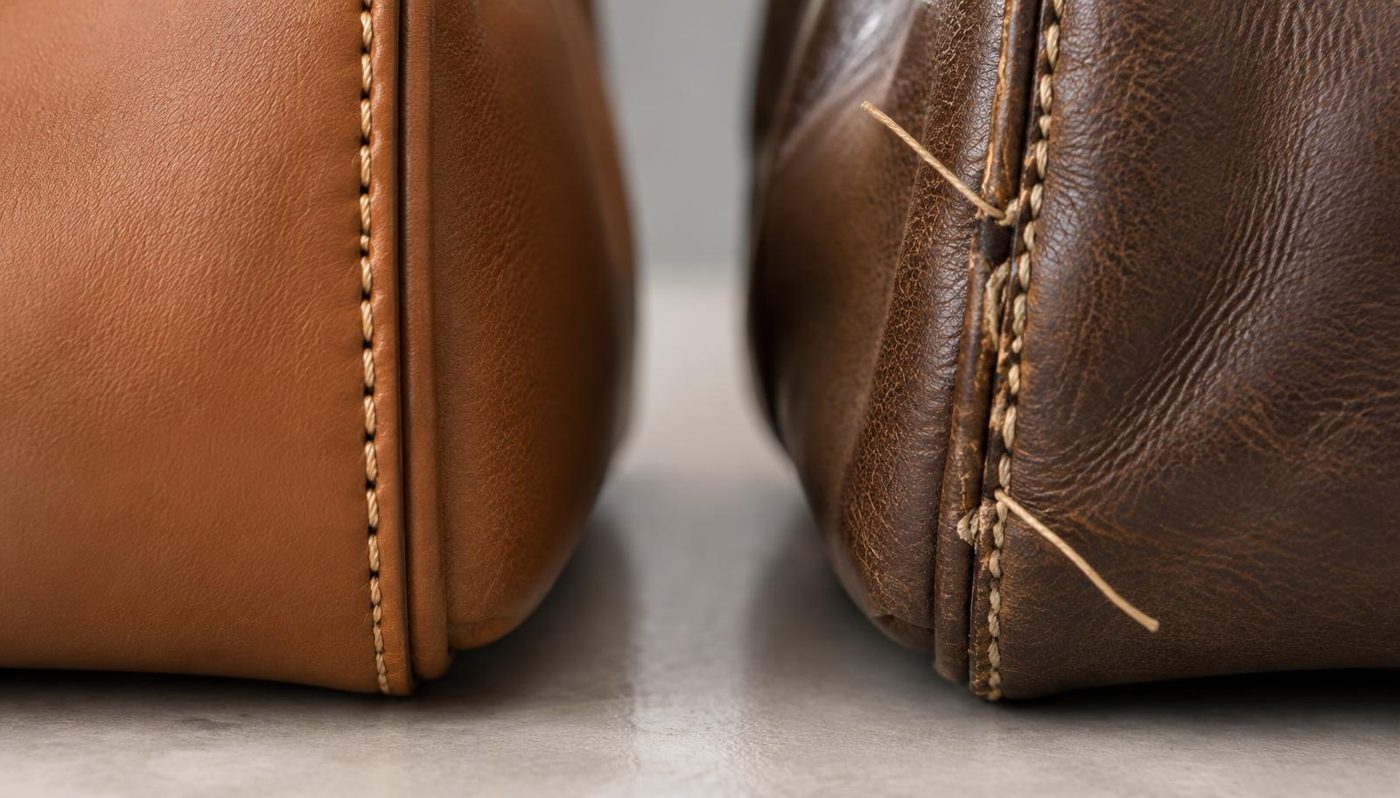
Stitching. Luxury makers sew with consistent tension and spacing. Count stitches along matching seams, like the two ends of a handle tab. They should match. Uneven, crooked or wandering lines, loose threads and glue residue are warning signs.
Edges. Many designer bags have painted or glazed raw edges. They should look smooth and even. Thick, rubbery or cracking edge paint on a bag that otherwise looks new deserves a second look.
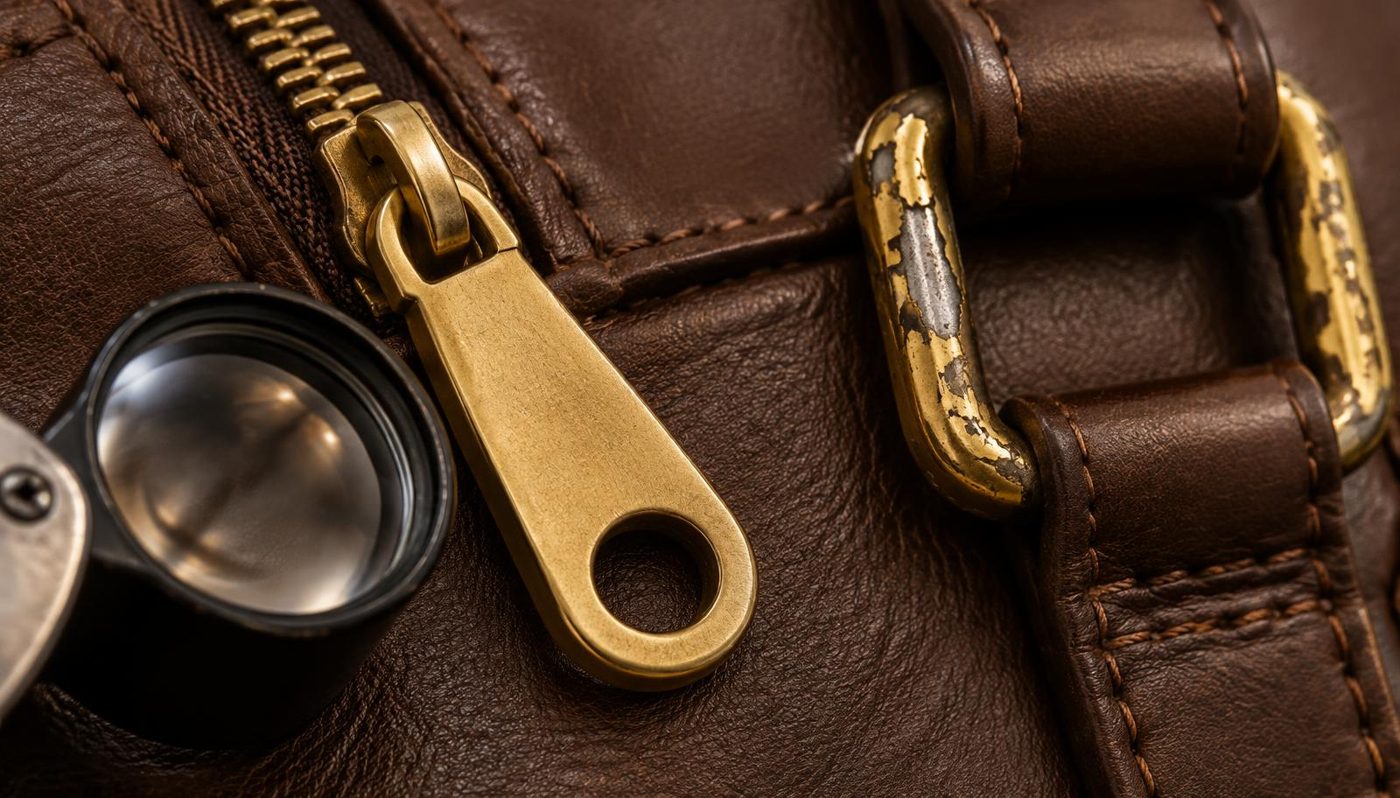
Hardware. Feel the weight and look at the plating. Flaking that shows gray metal underneath is a warning sign on a bag that's supposed to be high-end. Check engraved logos under a loupe: they should be crisp and evenly deep. Bring a phone with a zoom lens or a $10 jeweler's loupe.
Stamps and lining. The brand's heat stamp is inside on most bags. Compare the font and spacing with photos of the same model from the brand's own website or a reputable reseller.
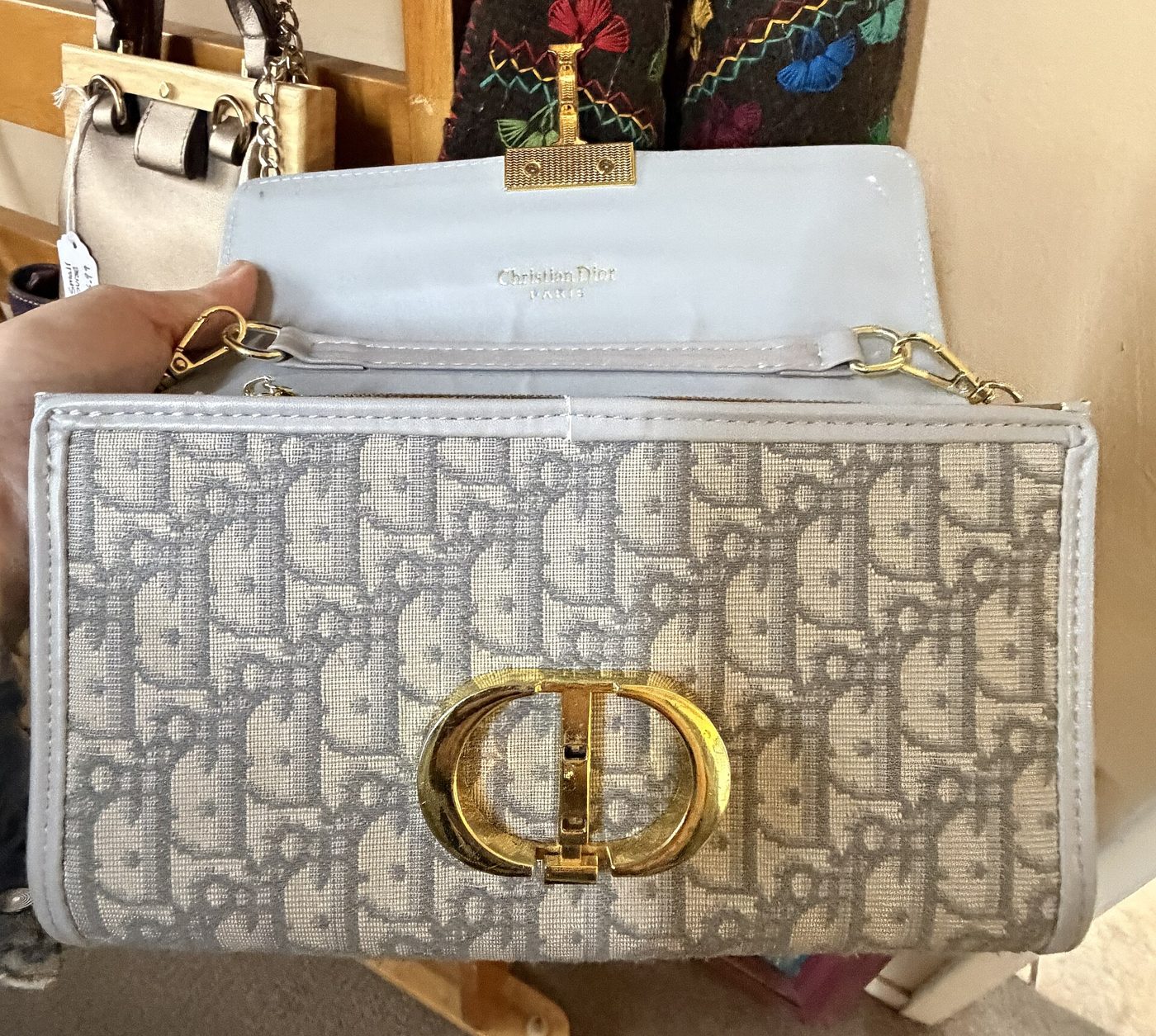
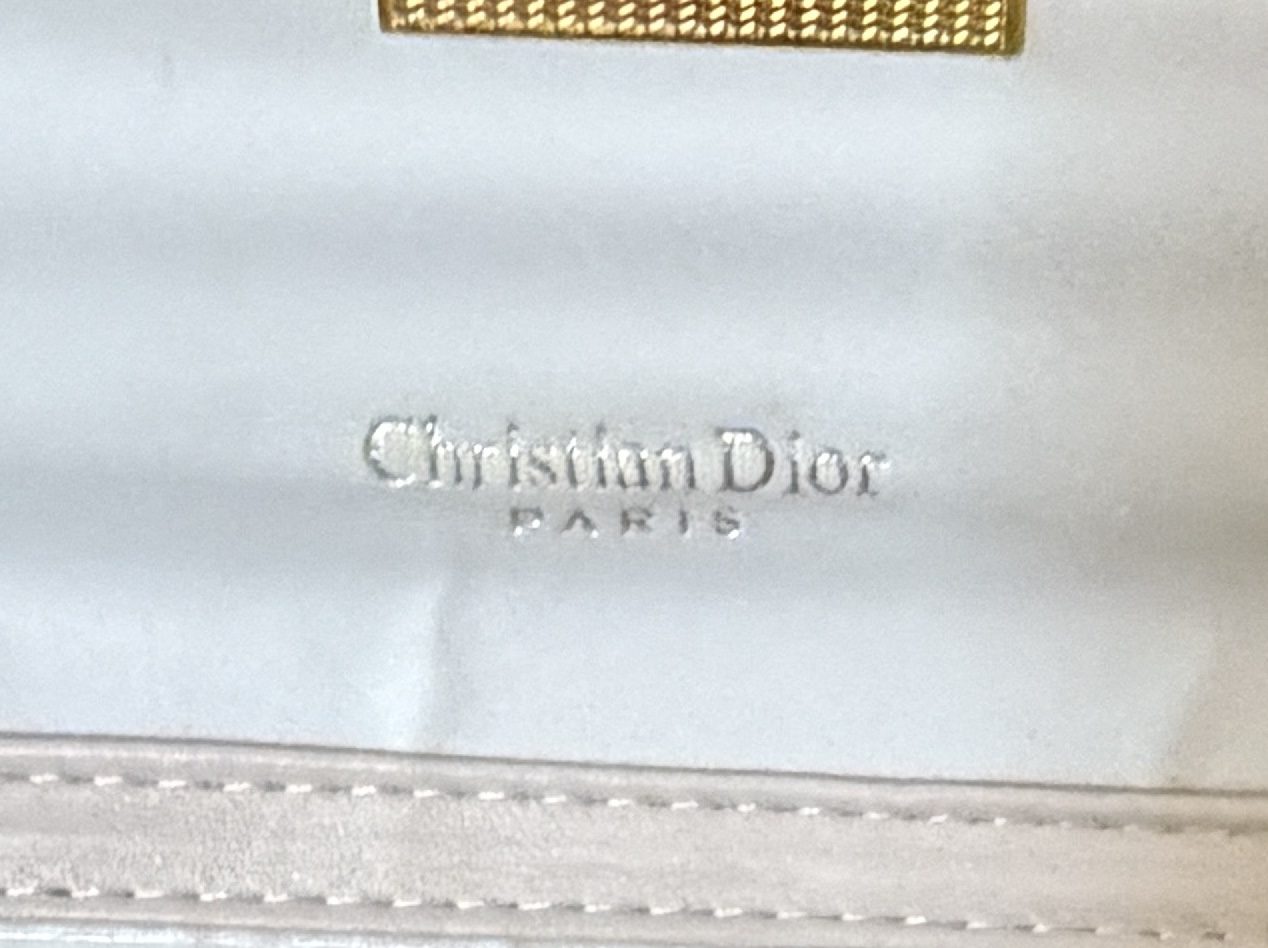
Notice that this counterfeit has a logo clasp, monogram canvas and an interior stamp. That's why you can't stop at "it has the logo and the stamp."
Brand-by-brand: Louis Vuitton, Coach, Gucci and more
Louis Vuitton
Louis Vuitton bags generally don't have unique serial numbers. Most have a date code, a small heat-stamped mix of letters and numbers, often hidden under a pocket, on a leather tab or along an inside seam. The formats changed over time (Mynt Condition / Lusso & Lux; LuxDesignerBag):
| Era | Format | Example |
|---|---|---|
| Before the early 1980s | Usually no date code | — |
| Mid-to-late 1980s | 3 or 4 digits with 2 letters before or after; first two digits = year | MI8906 = June 1989 |
| 1990–2006 | 2 letters + 4 digits; 1st and 3rd digits = month, 2nd and 4th = year | FL0081 = August 2001 |
| 2007–about 2021 | 2 letters + 4 digits; 1st and 3rd = week, 2nd and 4th = year | SA5112 = week 51 of 2012 |
| About 2021 on | Embedded microchip; no stamped date code | — |
The letters are a factory or country code. The country letters should match the "made in" stamp. A mismatch is a warning sign. A date code that doesn't exist for the claimed model's era is another.
But many bags made in the same place in the same week share an identical date code, and fakes routinely use plausible ones. A "correct" code only means the story fits.
Coach
Coach has been making leather goods since 1941. Many Coach leather bags have a creed patch, a square leather patch with a short paragraph about the brand, with a number at the bottom (ShopGoodwill). That number is mostly a style number, not a unique serial number:
- Before 1994: plain running numbers with no date or style information.
- From 1994: the number combines production information with the bag's style number.
- Roughly 2014–2016: many creeds were left blank, with the style number on a small white fabric tag inside a seam or pocket (Legitique).
A creed that reads well, with wording, layout and stitching that fit the era, plus a style number that matches the bag's actual model, is a good sign. A creed number that belongs to a different model is a red flag. Not every Coach bag has a creed: many small items, fabric bags and some newer styles don't.
Coach won't settle the question for you. Its brand-protection page says Coach does "not respond to requests to authenticate product," that authentic Coach is sold through Coach stores, coach.com and authorized retailers, and that Coach doesn't sell at flea markets, through street vendors or at mall kiosks (Coach Brand Protection).
Gucci
Gucci doesn't use date codes. Many Gucci bags have a leather tag inside with the Gucci name and "made in Italy" heat-stamped on the front and two rows of numbers on the back: the style number and a supplier code. Authenticators say those numbers should be digits only, and many recent bags also have a QR tag (Collector Edit; FashioNica).
Two cautions. The "controllato" card that comes with many Gucci bags proves nothing; it's easy to copy. And very old Gucci pieces may have no serial number at all.
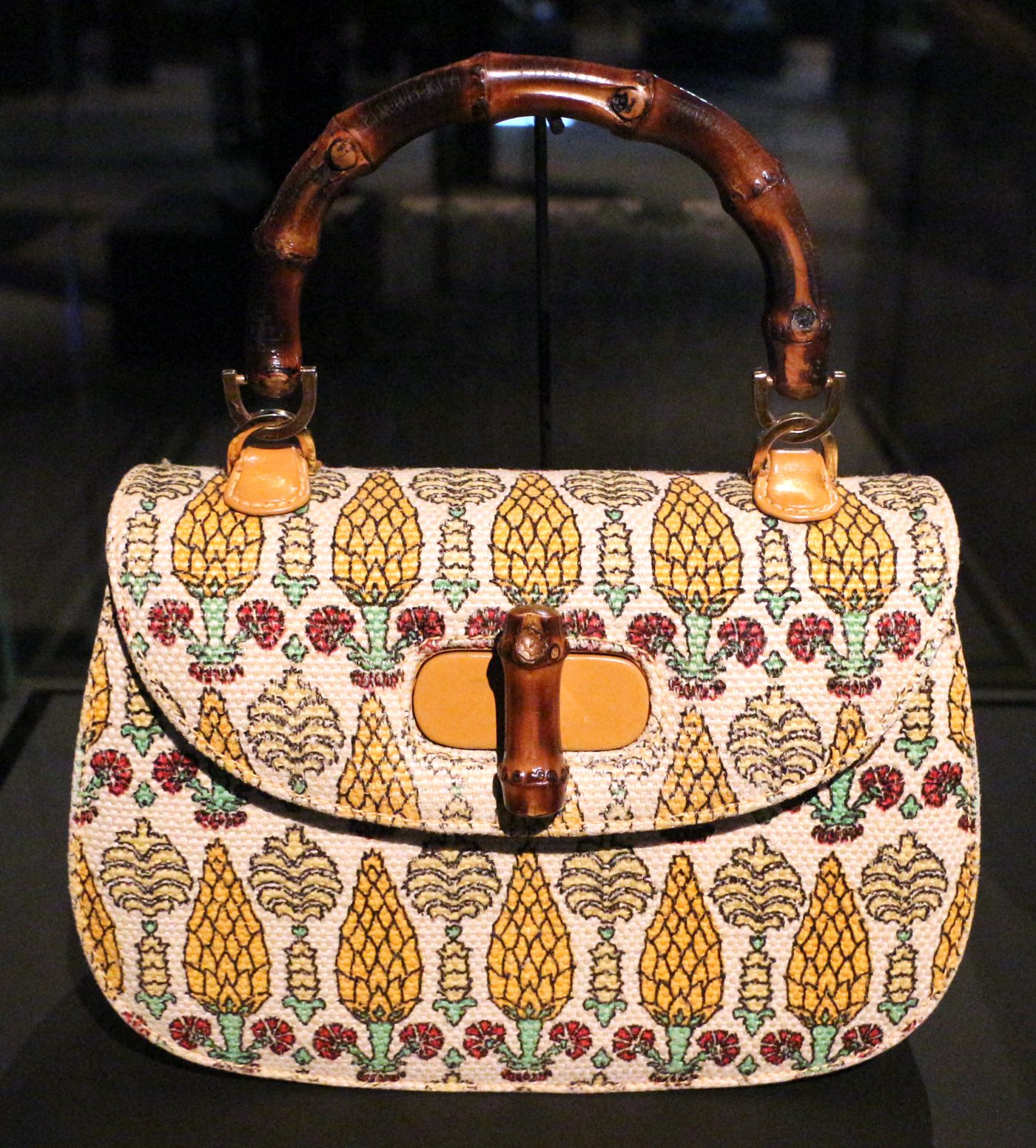
Vintage pieces like the bag above are exactly why "no serial number" isn't a fake signal by itself. Era matters.
Chanel, Prada and others
- Chanel bags have used serial number stickers and, more recently, other identifiers. A serial alone has the same limits as any other code.
- Prada bags typically have a white authenticity card and an interior logo plate. The card can be copied, so judge the bag.
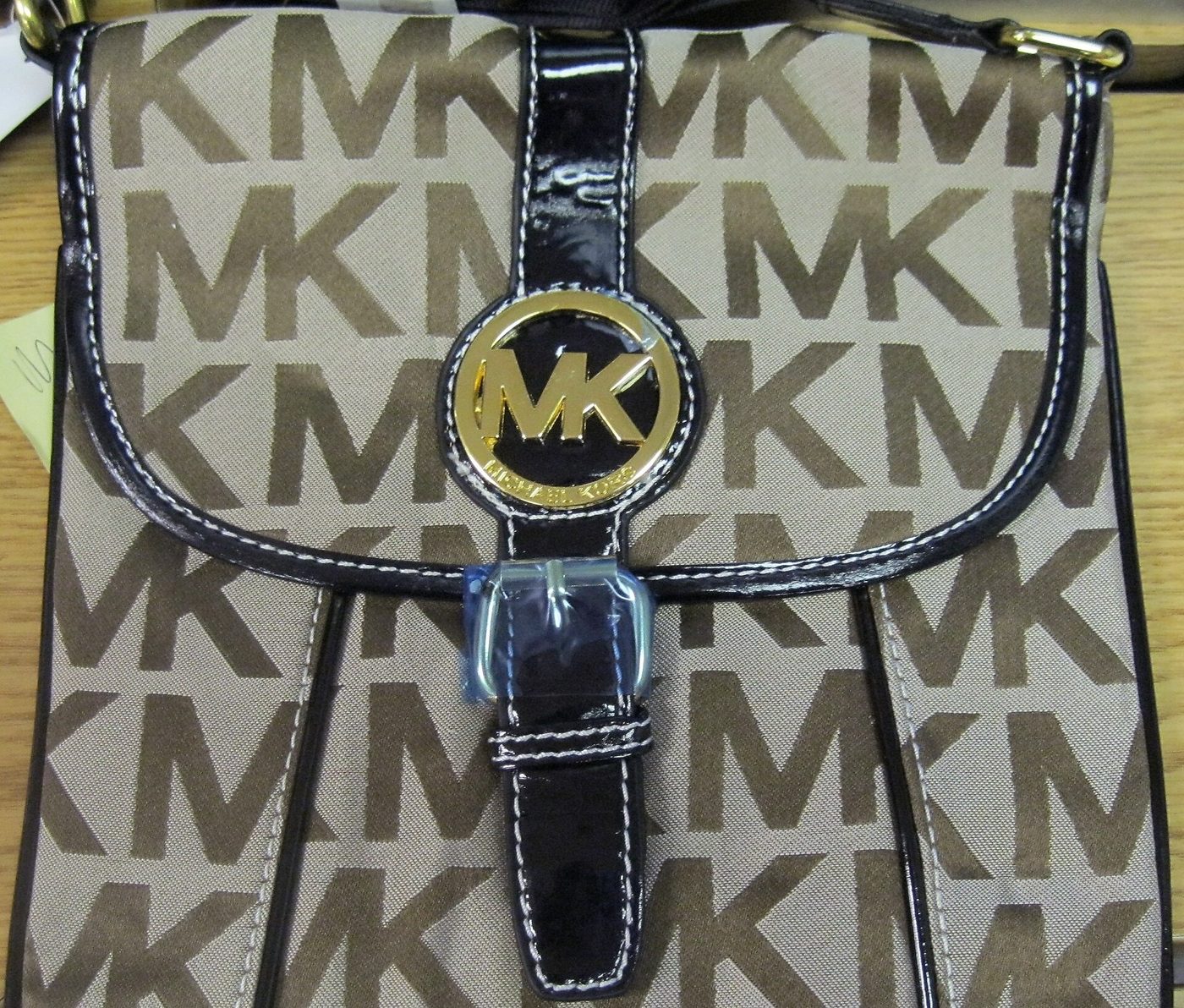
- Michael Kors and Kate Spade are counterfeited far more than people expect. CBP photographed the counterfeit Michael Kors handbag below in a Port of Newark/New York seizure.
Why serial numbers and date codes aren't proof
Codes are the first thing counterfeiters copy, because they're the first thing buyers check. Three problems:
- They aren't unique. Louis Vuitton date codes repeat across many bags, and Coach style numbers repeat across every bag of that style.
- They're public. Formats are explained online, and anyone can stamp a "correct" one.
- There's no public lookup. Coach has no public serial lookup and says it doesn't authenticate on request.
Use the code as a consistency check: does the code, the "made in" stamp, the materials and the model all tell the same story? If yes, keep going. If no, walk away or pay to authenticate.
Replaced straps, charms and accessories
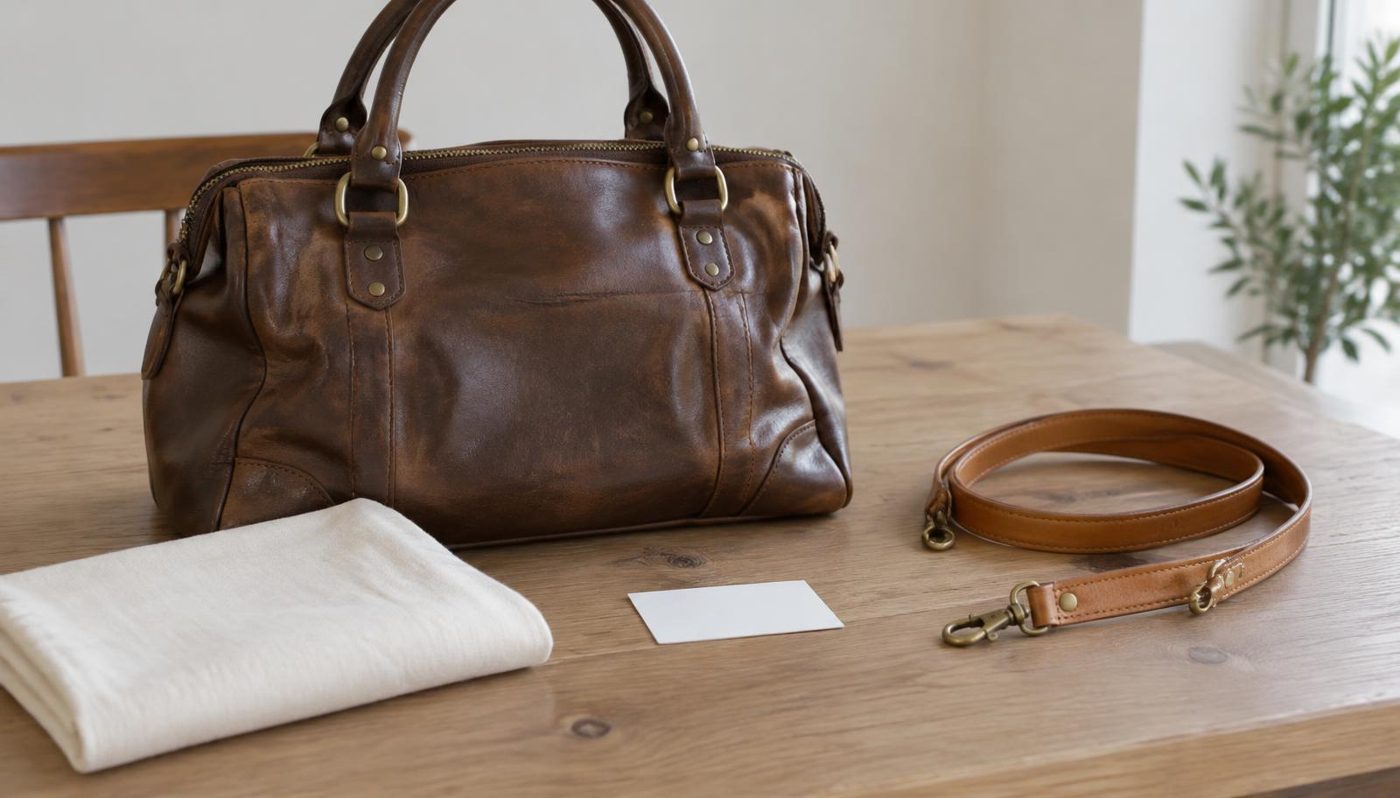
Estate bags often come with mixed-up extras. A replacement strap is common and doesn't make the bag fake, but it can lower the value, and a cheap strap can make a real bag look wrong. Look for a strap that's a different shade, newer or older, or with different hardware than the bag.
Dust bags, cards, boxes and charms are sold separately and copied, and they get swapped between bags. Treat them as nice extras, never as proof.
Repairs such as new handles, re-dyed leather or replaced zippers also matter. They're not a sign of a fake, but tell the authenticator, and expect them to affect resale value.
When professional authentication is worth paying for
Pay for it when you'd lose real money if the bag turned out to be fake, or when you plan to resell it. Many resale platforms require or offer authentication for luxury bags.
Typical listed prices (checked November 8, 2026; confirm before you order):
| Service | How it works | Listed price |
|---|---|---|
| Real Authentication | Human experts review your photos | From $30 basic, 24-hour result; add-ons for faster results or a certificate (price summary) |
| LegitGrails | Experts with Ai support, from photos | Luxury bags from $15 (12-hour); Chanel and Hermès higher (price summary) |
| Entrupy | Handheld microscope device and app, for businesses | Subscriptions from $139/month (Entrupy pricing) |
A simple rule
if a bag priced at $40 would be worth $400 or more if real, paying $15 to $30 to know before you resell it is usually worth it. For a $10 bag you'll carry yourself, your own inspection may be enough.
Before you send photos, take clear, straight-on shots of the front, back, bottom, corners, handles, every piece of hardware, the heat stamp, the code or tag, and the lining. Our Ai Appraiser can help you research a bag's model and suggest a resale range, but it's a starting point, not authentication.
Questions to ask before you buy
- Where did this bag come from? Original owner? Bought new at a store?
- Is there a receipt, original box or registration card? Supporting, not proof.
- Has the company checked or authenticated it? If they say "authentic," ask how they know.
- May I photograph the stamps and code? Most companies will say yes.
- What's the return or hold policy if it fails authentication? Many estate sales are final sale, so ask before you pay.
Estate sale companies: if you price designer bags, say what you checked and don't call a bag authentic unless it's been authenticated. Clear wording protects both you and the shopper.
Find designer bags at estate sales near you
Browse this weekend's estate sales and search item photos for Louis Vuitton, Coach, Gucci and more.
FAQ
Does no serial number mean a purse is fake?
No. Many authentic bags never had one: Louis Vuitton bags from before the early 1980s often have no date code, LV bags from about 2021 on use a microchip instead, many older Gucci pieces have no serial, and many Coach items have no creed. What matters is whether the bag fits its era and model.
Does the country of manufacture matter?
It matters only if it doesn't fit. Louis Vuitton has made bags in several countries, including France, Spain and the United States, and its date-code letters should match the "made in" stamp. Coach and many other brands have made bags in different countries over the decades. "Made in China" alone doesn't mean a Coach bag is fake.
Can you authenticate a vintage Coach bag by its creed number?
No. A creed number can help you date and identify the style, and a number that belongs to a different model is a red flag. But counterfeits often copy real creed numbers, and Coach doesn't offer public authentication. Check the creed's wording, layout and stitching, and the bag's construction too.
What if there's no receipt?
That's normal at an estate sale. Most families don't keep handbag receipts. A matching receipt from the brand or an authorized store is helpful, but a missing one isn't a red flag. Judge the bag, and use a paid authenticator if the money matters.
Will Louis Vuitton, Coach or Gucci authenticate my bag?
Coach states in writing that it doesn't respond to authentication requests. Don't count on any brand authenticating a secondhand bag; use an independent authentication service.
Is it illegal to buy a fake purse?
Laws vary. Selling counterfeits is illegal under federal trademark law, and CBP seizes them at the border. If you discover a bag you bought is fake, don't resell it as genuine.
Can a fake bag have real-looking stamps and codes?
Yes. Higher-quality fakes copy stamps, date codes, creed numbers, serial tags, cards and dust bags. That's why construction and a professional opinion matter more than any single tag.
Related guides
Sources
- Coach: Brand Protection
- U.S. Customs and Border Protection: FY2024 Intellectual Property Rights Seizure Statistics (PDF)
- Mynt Condition with Lusso & Lux: Complete Guide to Louis Vuitton Date Codes
- LuxDesignerBag: Louis Vuitton Date Codes Explained
- ShopGoodwill: Coach Bag Serial Numbers Explained
- Legitique: Coach Serial Number Checker
- Collector Edit: How to Spot a Fake Gucci Bag
- FashioNica: How to Tell If a Gucci Bag Is Real
- Milleso: How to Authenticate Designer Handbags (service prices)
- Entrupy: Pricing
Sources checked November 8, 2026. Real photos are credited with their licenses; illustrations are Ai-generated and show no real brand. This guide helps you screen bags; it isn't authentication.
Keep exploring
Ready to start your own treasure hunt?
Discover estate sales near you and find incredible deals.
Explore Sales Near Me
About the author
Andy
Founder, EstateSaleFinder.net
Hi, I'm Andy — a retired commercial photographer turned developer with a five-year (and counting) obsession with estate sales. I started EstateSaleFinder.net because I knew there had to be an easier, smarter way to find and list estate sales. Now I get to chase treasure and build the tool I always wished existed.