

Best Time of Year for an Estate Sale: Should You Wait Until Spring, or Sell This Winter? (Month-by-Month Guide + Carrying-Cost Math)
Spring and early fall draw the biggest crowds, but waiting has a price. A month-by-month table, the carrying-cost math, winter-sale adjustments, and a booking timeline.
The best time of year for an estate sale is the first month the house is ready. Spring and early fall usually draw the biggest crowds, and winter draws fewer but more serious buyers. Waiting costs real money, though: taxes, insurance, utilities and upkeep keep coming every month. For most families, a well-marketed winter sale beats paying three to five extra months of carrying costs to hold out for spring.
Quick summary
- Spring (March–May) and early fall (September–October) usually bring the most shoppers. They also bring the most competing sales.
- Winter (December–February) has smaller crowds, but the shoppers who come out in the cold tend to buy. Dealers and pickers keep shopping all year.
- Holiday weekends (Thanksgiving, Christmas, Easter, the Fourth of July) are usually slow. Book around them.
- Booking takes time. In EstateSales.NET's 2024 survey of estate sale businesses, 36% prepare a sale within 14 days of signing, while 35% take more than three weeks. Good companies book out further in spring, so families who want a spring sale should sign in winter.
- Waiting has a price. Add up monthly taxes, insurance, utilities and upkeep. Then multiply by the months you'd wait. That's the cost of waiting.
- A vacant house in winter carries extra risk. Many homeowners policies limit coverage after a home has been vacant for a set number of days. Frozen pipes are the classic winter loss.
The short answer: why "when it's ready" wins
Most competitor guides rank the months. That's useful, but it misses the bigger question families face: do we hold the house for a better month, or sell now? Three things matter more than the calendar:
- Marketing. A sale with 300 good photos, posted a week ahead and pushed to followers, draws crowds in January. A sale with 12 blurry photos is quiet even in April.
- The contents. Furniture, tools and collectibles sell in any season. The season only shifts what moves fastest (more on that below).
- Carrying costs. Every month you wait adds costs that can outweigh any bump from a better season.
If you're still deciding whether a sale is right at all, start with is an estate sale worth it? and estate sale vs. buyout.
Month by month
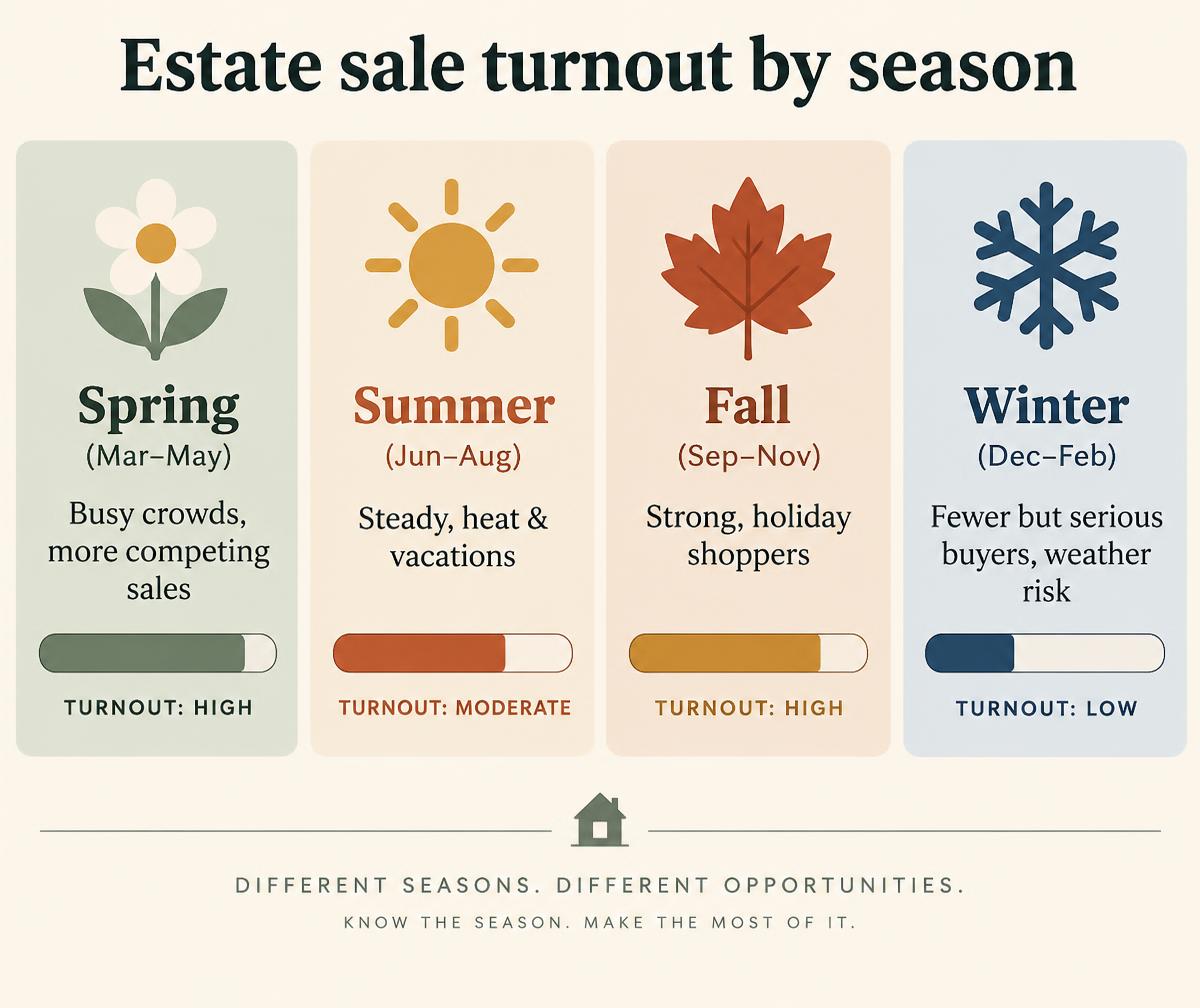
These are general patterns that estate sale companies and industry guides describe. They aren't measured national turnout numbers, and your local market may differ, especially in the Sun Belt, where summer heat matters more than winter snow.
| Month | Typical turnout | Competition | What tends to sell | Watch out for |
|---|---|---|---|---|
| January | Lower | Low | Furniture, tools, organizing and storage, home office | Snow and ice, post-holiday budgets |
| February | Lower, improving | Low | Furniture, collectibles, books | Weather dates, Presidents' Day weekend |
| March | Rising | Rising | Garden tools, patio items, everything | Spring break, early storms |
| April | High | High | Patio and garden, furniture, decor | Easter weekend |
| May | High | High | Outdoor furniture, grills, tools | Memorial Day and graduation weekends |
| June | Steady | Medium | Outdoor, kids' and college-move items | Heat, vacations |
| July | Lower to steady | Medium | Fans and AC units, outdoor items | Fourth of July, extreme heat |
| August | Steady | Medium | Furniture for back-to-school and dorm moves | Heat |
| September | High | High | Furniture, decor, fall and Halloween decorations | Labor Day weekend |
| October | High | High | Holiday decor, collectibles, furniture | Football Saturdays in college towns |
| November | Steady | Medium | Christmas decor, gift-able vintage, china | Thanksgiving weekend |
| December | Lower | Low | Christmas items, gifts, jewelry, small collectibles | Christmas week, weather |
Shopper tip: if you're the one buying, December's quiet sales are great hunting. See our vintage Christmas gifts from estate sales guide.
Wait or sell now? The carrying-cost math
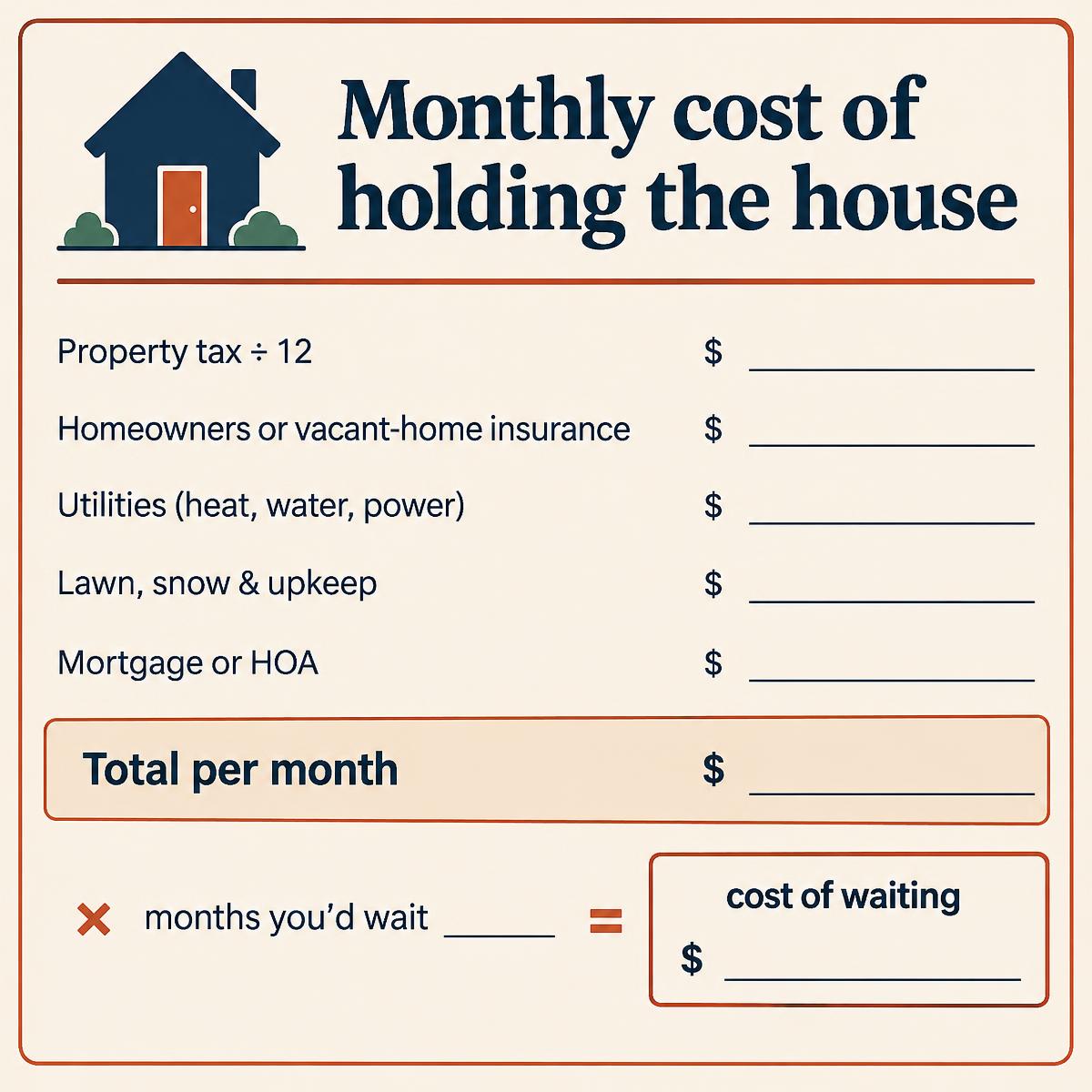
Here's the simple formula:
Cost of waiting = (monthly property tax + insurance + utilities + upkeep + mortgage/HOA) × months you'd wait
Worked example (illustration only)
A family in November is deciding whether to hold a paid-off three-bedroom house until April. These numbers are made up to show the math. Use your own bills.
| Monthly cost | Amount |
|---|---|
| Property tax ($4,800 a year ÷ 12) | $400 |
| Homeowners insurance, or a vacant-home policy | $150 |
| Utilities (heat kept on, water, power) | $250 |
| Lawn, snow removal, check-in visits | $150 |
| HOA | $0 |
| Total per month | $950 |
Waiting from December to April is about 4 months × $950 = $3,800, before any risk of frozen pipes or a break-in.
Now compare that to the possible upside. If spring turnout lifts sale proceeds by 10% on a $15,000 sale, that's $1,500, which is less than the cost of waiting. On a $60,000 sale, a 10% lift would be $6,000, so waiting could pay off. The bigger the contents, the more a better month can matter. The bigger the monthly bills, the more waiting hurts. (The 10% lift is a hypothetical, not a measured figure.)
There's one more cost families forget: in many markets, the house itself sells best in spring. Most families want the estate sale done before the listing photos. That's another reason to run the sale in winter and list in spring. Our realtor's guide to estate sales covers how agents line up those dates.
The vacant-house winter risk
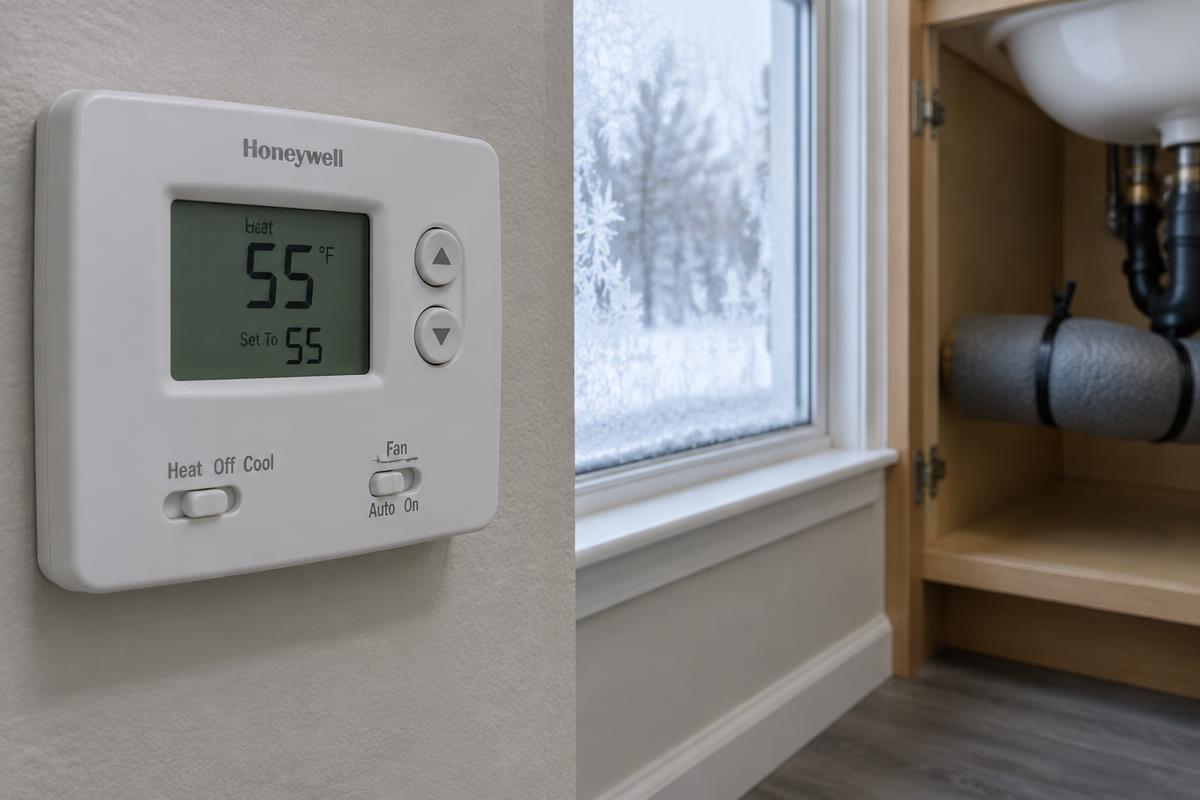
If the house will sit empty over the winter, these two points come from insurance sources, not guesswork:
- Vacancy limits. The Texas Department of Insurance home insurance guide lists, among common exclusions, "losses that occur if your house is vacant for the number of days specified" in the policy. In standard homeowners forms, vandalism and break-in damage is commonly excluded once a home has been vacant for more than 60 consecutive days (PropertyCasualty360). Call the insurer, tell them the owner has died or moved out, and ask whether you need a vacancy endorsement or a vacant-home policy.
- Frozen pipes. The Insurance Institute for Business & Home Safety recommends keeping the thermostat at 55°F or higher, even when no one is home. Policies generally expect you to either keep the heat on or drain the pipes and shut off the water.
Holding the house until spring means carrying these risks for every winter month.
How companies adjust a winter sale
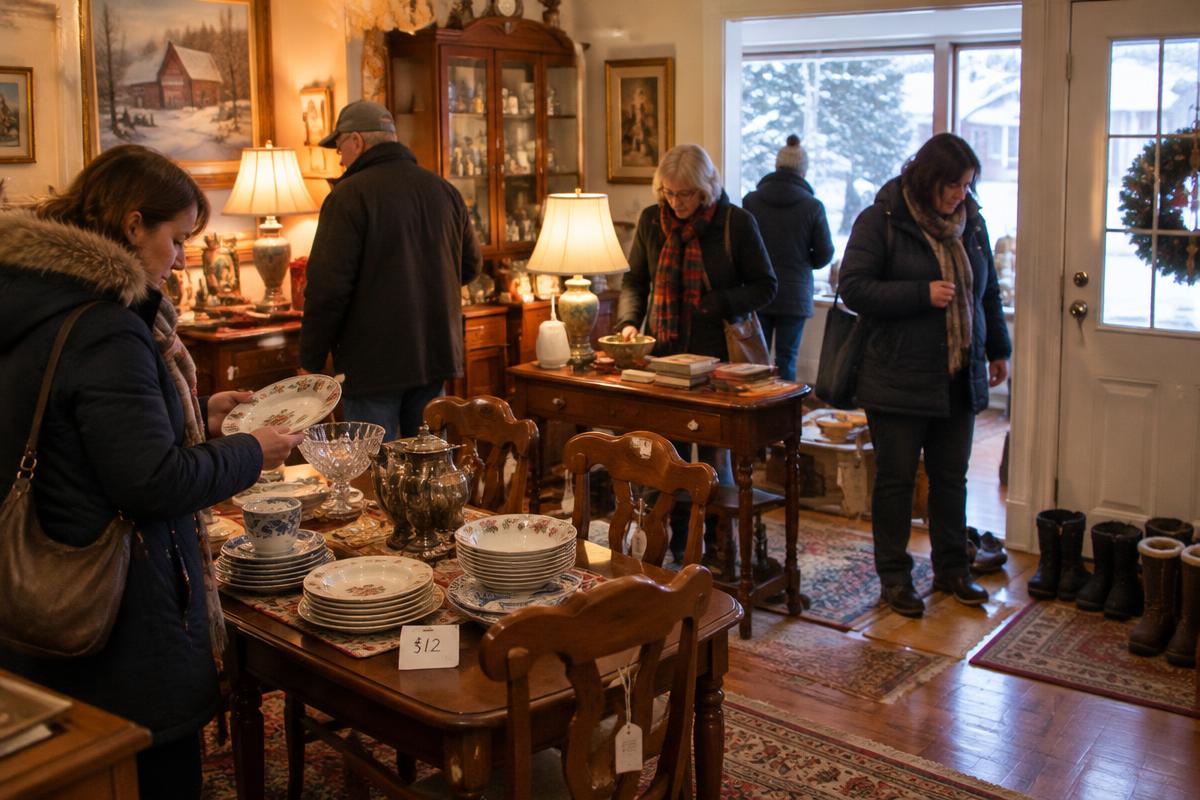
Good companies don't just hope for good weather. Ask about these options:
- A weather date. Put a backup weekend in the contract in case an ice storm hits.
- An extra day. A three-day sale gives shoppers who skip one bad-weather day a second chance.
- Pre-offers before the sale. Buyers can browse photos and make offers online before the doors open, so bad weather doesn't hurt sales as much. EstateSaleFinder companies can turn on pre-offers for any sale.
- An online or hybrid auction for high-value collections, where shoppers bid from home.
- Indoor comfort: cleared walkways, salted steps, a mat and boot tray, and the heat turned up for the sale.
- Stronger marketing. More photos, an earlier listing, and alerts to followers. On EstateSaleFinder, shoppers who follow a company get notified when a new sale posts.
What sells best in each season
- Spring: patio sets, grills, garden tools, bicycles, outdoor decor, plus everything else, thanks to the big crowds.
- Summer: fans, window AC units, camping gear, coolers, dorm furniture in August.
- Fall: furniture (people furnish before the holidays), Halloween and Thanksgiving decor, china and serving pieces.
- Winter: Christmas decor and vintage ornaments (early December), jewelry and small gifts, tools, and home-office and storage furniture after New Year's.
Not sure what something's worth in any season? The EstateSaleFinder Ai Appraiser gives a suggested range from a photo. It's a starting point, not a final price.
Booking timeline for a spring sale
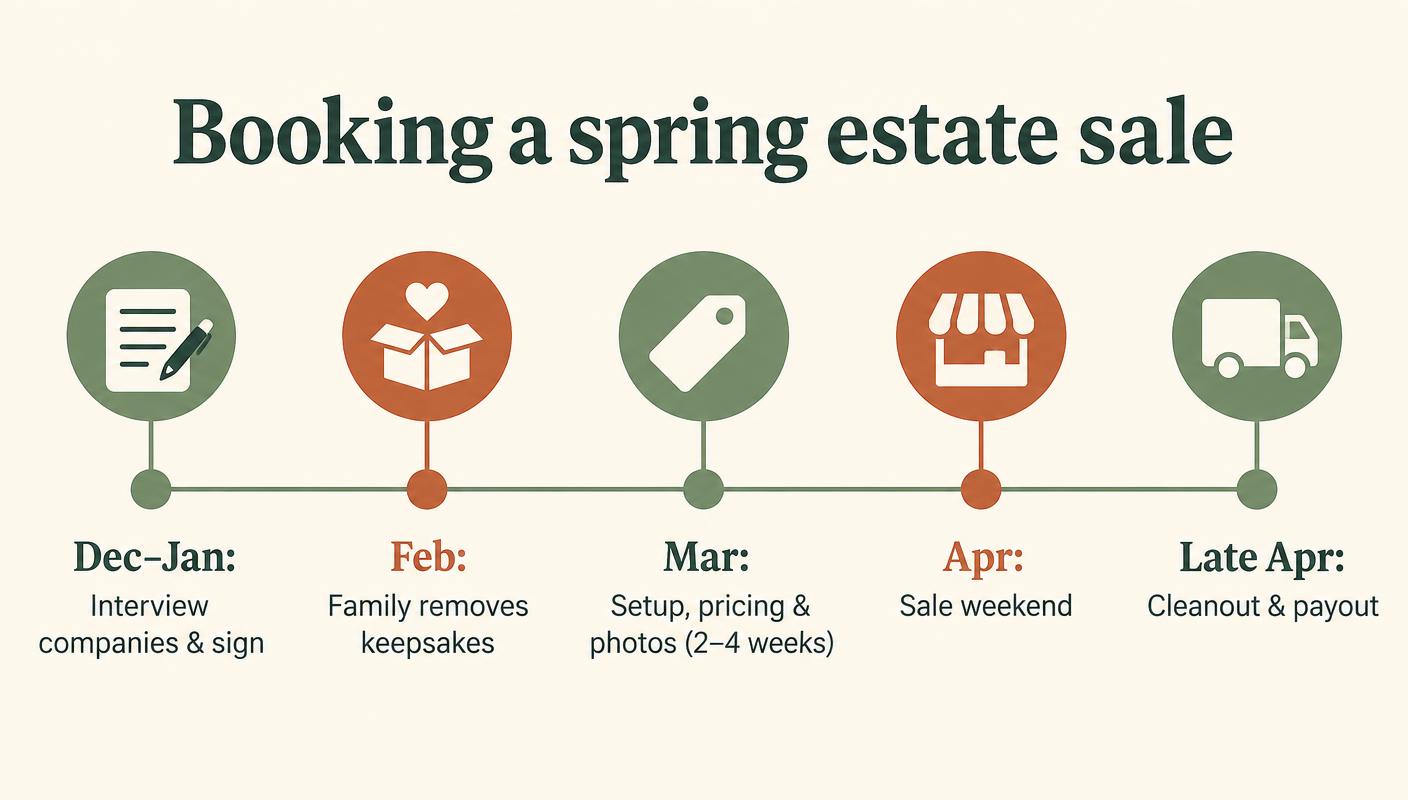
- December–January: interview two or three companies and sign. Find estate sale companies near you or request quotes.
- February: the family removes keepsakes, papers and anything it wants to keep. Don't throw things away; let the company decide what sells.
- March: setup, staging, pricing and photos. Allow 2–4 weeks. See how long an estate sale takes for a week-by-week breakdown.
- April: sale weekend.
- Late April: cleanout, final accounting and payout. The house is ready for listing photos.
If the estate is in probate, add time for court approval before anything is sold. See can you have an estate sale during probate?.
FAQ
What is the best month for an estate sale?
Turnout usually peaks in April, May, September and October. But the best month for your sale is usually the first one the house is ready, because carrying costs add up every month you wait.
Are estate sales in December a bad idea?
No. Crowds are smaller, but competition is low and shoppers come looking for gifts, holiday decor and jewelry. Avoid Christmas week, plan a weather date, and market the sale harder.
How long does it take to set up an estate sale?
In EstateSales.NET's 2024 survey, 36% of companies prepare a sale within 14 days of signing a contract and 35% take more than three weeks. Large or packed homes take longer.
Should I wait until spring to sell my parents' house?
Do the math first. Multiply your monthly taxes, insurance, utilities and upkeep by the number of months you'd wait, then add the vacancy and frozen-pipe risk. Many families run the estate sale in winter and list the house in spring.
What day of the week is best for an estate sale?
Most sales run Thursday–Saturday or Friday–Sunday. The first day draws dealers and serious collectors, and the last day draws bargain hunters looking for discounts.
Does homeowners insurance cover a vacant house?
Often only partly. Many policies limit coverage once a home has been vacant for a set number of days, commonly 60 for vandalism and break-ins in standard forms. Call the insurer and ask about a vacancy endorsement.
Related reading
Sources
Sources checked November 5, 2026. The worked example uses illustrative numbers, not a quote. This is general information, not insurance, legal or financial advice.
Keep exploring
Ready to start your own treasure hunt?
Discover estate sales near you and find incredible deals.
Explore Sales Near Me
About the author
Andy
Founder, EstateSaleFinder.net
Hi, I'm Andy — a retired commercial photographer turned developer with a five-year (and counting) obsession with estate sales. I started EstateSaleFinder.net because I knew there had to be an easier, smarter way to find and list estate sales. Now I get to chase treasure and build the tool I always wished existed.